
Research
Research
Research projects
ISES

Interactive sleep monitoring system for the early detection of gender-specific sleep disorders as part of GP health check-ups
Background
Sleep disorders can cause different symptoms in women and men. This also applies to obstructive sleep apnoea syndrome (OSAS), in which breathing pauses interrupt sleep. A better understanding of gender-specific differences could prevent misdiagnoses, improve treatment and help to prevent secondary conditions such as stroke or heart attack.
Objective
The project is investigating gender-specific differences in OSAS. To support this, the researchers are developing a sleep monitoring system based on artificial intelligence (AI). A technological demonstrator is designed to record breathing and heart rate using radar technology, oxygen saturation via an SpO₂ sensor, and brain activity via a mobile EEG system. The system digitally analyses the data collected by the sensors. The researchers are testing these demonstrators and processes in general practice settings to gather more data for research and to gain insights into the use of such systems within a gender-specific care pathway.
*The system is designed to record an EEG (electroencephalogram), an EOG (electrooculogram) and an EMG (electromyogram), collectively referred to as ExG.
Duration
November 2025 to October 2028
Project coordinator
avisé labs GmbH, Dortmund
Participating partners
- Fraunhofer IDMT, Hearing, Speech and Audio Technology Division (HSA), Oldenburg
- Brain Products GmbH – software and hardware for neurophysiological research applications, Gilching
- University of Oldenburg, School V - School of Medicine and Health Sciences, Department of Health Services Research, Division of General Practice
- Otto von Guericke University Magdeburg, School of Medicine and University Hospital, Centre for Internal Medicine, Section for Gender-Sensitive Medicine and Prevention
Contact persons
- Nina Willerscheidt M.Sc.:
- Dr Imke Aits:
EiDiHa
Initial assessment of the urgency of reasons for seeking treatment in general practice – a qualitative study on the perspectives of medical assistants
Background
Patients often turn to their GP practice first for all kinds of medical concerns. The initial assessment of the urgency of these concerns is usually carried out by medical practice assistants (MPAs). They play a central role in prioritising treatment needs and managing patients within general practice care. Despite this important function, there has been insufficient scientific research to date into how initial assessments are carried out in GP practices, which strategies and approaches are used, and what role structured initial assessment systems play in day-to-day practice.
Objectives
The aim of the study is to explore existing processes for the initial assessment of the urgency of treatment requests in GP practices from the perspective of medical assistants. The study aims to describe in-practice procedures and to identify everyday challenges, influencing factors and opportunities for improvement. The exploration and analysis of current care practices can contribute, in the long term, to the further development of safe and timely initial assessments in general practice.
Methods
The EiDiHa study is a single-centre, exploratory cross-sectional study. Structured interviews will be conducted with ten medical assistants from GP practices within the statutory health insurance system. Data will be analysed using qualitative content analysis according to Kuckartz and Rädiker.
Duration
From June 2026
Contact persons:
- Tomke Jürgens (PhD student in medicine):
- Dr Imke Aits, M.Sc. PH:
EMIS-HA
Background: Against the backdrop of demographic change, the German healthcare system is facing rising demand for care whilst staff resources remain limited, meaning that the coordination of inpatient and outpatient care is becoming increasingly important. Inadequate planning or coordination of discharge can lead to gaps in care, medication errors, delayed rehabilitation, increased strain on relatives and avoidable readmissions to hospital. Following discharge from hospital, patients usually turn to their GP for further medical care; however, GPs are often only able to a limited extent to engage in productive communication with other healthcare providers involved. However, poor communication with the GPs providing follow-up care jeopardises patient safety and continuity of care. Difficulties in the cross-sectoral handover are primarily digital barriers in the form of incompatible data management systems used by hospitals and GP practices, the lack of nationwide implementation of electronic patient records, incomplete medication plans, and inadequate interprofessional communication amongst outpatient follow-up care providers.
Objective: The aim of the EMIS-HA study is to to assess discharge management at regional hospitals in north-west Germany from the perspective of GPs providing follow-up care, with a focus on respondents’ perceptions and satisfaction regarding structural and procedural aspects of discharge management, as well as the quality of cross-sectoral communication. Furthermore, the study aims to evaluate differences between urban and rural hospitals, as well as the strengths and weaknesses of current practice and potential areas for health policy interventions.
Methodology: This is a single-centre, qualitative, exploratory observational study involving interviews with thirteen GPs practising in north-west Germany. Following transcription, the data will be analysed using the qualitative data analysis software MAXQDA.
Duration: From April 2026
Contact persons:
- Amrei Küpker (medical student);
- Dr Imke Aits, M.Sc. PH;
Target AF
Targeted early detection of atrial fibrillation in general practice
Background
Atrial fibrillation (AF) is a very common cardiac arrhythmia that often occurs repeatedly for short periods as paroxysmal AF. Even very brief episodes of AF increase the risk of an ischaemic stroke. Paroxysmal AF often goes undetected or is only discovered by chance. However, if AF is detected in good time, oral anticoagulation can significantly reduce the risk of stroke. To date, there is insufficient evidence to support an optimal screening approach for AF. AF screening requires an approach that preselects patients at increased risk and optimises the duration and frequency of ECG monitoring. It is known that prevalence increases with age and in the presence of high blood pressure.
Objectives
The ‘Target-AF’ project aims to improve GP care for older people at increased risk of stroke through evidence-based, systematic early detection of AF. To this end, the project is investigating the effectiveness of a structured screening intervention in patients at high risk of AF, as well as approaches to risk stratification in general practice in Germany.
Methods
Target-AF is a multicentre, open-label, two-arm (intervention vs. control, 1:1) randomised controlled trial (RCT). Patients from GP practices aged 70 years or older with known hypertension, without a previous diagnosis of AF and not currently on anticoagulation, are eligible to participate in the study. Up to 1,000 participants will be recruited from 72 general practice practices within FoPraNet Nord. In each of the six regions, 12 practices will each recruit 13–14 patients. All participants will first undergo a 24-hour Holter ECG to rule out existing AF and to screen for frequent supraventricular extrasystoles, a potential risk marker. A blood sample will be taken to measure biomarkers that may predict AF (NT-proBNP, CDT, TSH and creatinine). Participants are randomised in a 1:1 ratio and receive either standard care at the discretion of the treating doctor (control group) or an intervention comprising 7-day ECG monitoring at study enrolment, at 3, 12, 24 and 36 months, or until atrial fibrillation lasting >30 seconds is detected (intervention group). All patients will be interviewed at study enrolment and at 3, 12, 24 and 36 months regarding their quality of life, health status, cardiovascular and haemorrhagic events, and their use of healthcare services. The primary endpoint is the detection of AF (>30 sec) within 36 months. A secondary objective is to assess the predictive value of biomarkers and supraventricular extrasystoles, both individually and in combination.
Relevance of the expected results
The project will provide data on effect sizes and implementation parameters, which are intended to serve as the basis for the design of a future, statistically significant randomised controlled trial on stroke prevention through targeted screening for atrial fibrillation.
Funding
The project is funded by the Federal Ministry of Research, Technology and Space (BMFTR) (grant reference 01GK2502A). The project duration is 60 months (1 May 2026 to 31 April 2031).
Project leaders
- Prof. Dr Eva Hummers and Dr Eva Maria Noack, Institute of General Medicine, University Medical Centre Göttingen
Project partners
- Prof. Dr Martin Scherer, Institute and Outpatient Clinic for General Practice, University Medical Centre Hamburg-Eppendorf
- Prof. Dr Nils Schneider, Institute of General Practice and Palliative Medicine, Hannover Medical School
- Prof. Dr Michael Freitag, Division of General Practice, Department of Health Services Research, University of Oldenburg
- Prof. Dr Jean-François Chenot, Division of General Practice, Institute of Community Medicine, University Medical Centre Greifswald
- Prof. Dr Ralf Jendyk, Institute of General Practice, University Medical Centre Rostock
- Prof. Dr Rolf Wachter, Clinic and Polyclinic for Cardiology, University of Leipzig
- Priv.-Doz. Sara Yasemin Nußbeck, Central Biobank, University Medical Centre Göttingen
- Prof. Dr Christian Thies, School of Computing Science, Reutlingen University
- Prof. Dr Markus Bleckwenn, Institute of General Practice, University of Leipzig
- Prof. Dr Tim Friede, Institute of Medical Statistics, Göttingen University Hospital
Contact person
- Dr Imke Aits M.Sc.:
SCOPE-D
Guideline-based care for patients with depression in general practice: a multicentre, cluster-randomised intervention using an online self-help tool
Background
Depression is one of the most common mental health conditions worldwide. Both the individual risk of developing the condition and the burden of disease on the population are high and continue to rise, particularly amongst people of working age.
General practitioners play a central role in the care of people with depression. However, guideline-based diagnosis and treatment are often inadequately implemented in primary care.
Objectives
Theaim of the SCOPE-D project is to improve GP care for patients with depression in Germany by 1.) promoting the implementation of the National Care Guideline for Unipolar Depression and 2.) strengthening primary psychosomatic care through the integration of the online self-help tool deprexis®.
Methods
SCOPE-D is a multicentre, cluster-randomised intervention study conducted at six sites under the umbrella of the supra-regional research practice network FoPraNet-Nord. Through interviews with GPs, analysis of routine data and patient questionnaire surveys, the study aims to investigate changes in care routines as well as the effectiveness of the online self-help tool deprexis® within the context of primary psychosomatic care.
Relevance of the expected.
Results
The results are of great practical significance, as they are intended to promote professional expertise, research competence and the sustainable implementation of guideline-based depression care in GP practices. They can contribute to the evidence-based further development of clinical guidelines and curricula for primary psychosomatic care, in particular through the systematic integration of digital self-help tools.
Funding
The project is funded by the Federal Ministry of Research, Technology and Space (BMFTR) (grant reference 01GK2505A). The project duration is 42 months (1 April 2026 to 30 September 2029).
Consortium leadership
- Prof. Dr Nils Schneider and PD Dr Kambiz Afshar, Institute of General Medicine and Palliative Medicine, Hannover Medical School
Consortium partners
- Prof. Dr Martin Scherer, Institute and Outpatient Clinic for General Medicine, University Medical Centre Hamburg-Eppendorf
- Prof. Dr Eva Hummers, Institute of General Practice, Göttingen University Hospital
- Prof. Dr Michael Freitag, Division of General Practice within the Department of Health Services Research, University of Oldenburg
- Prof. Dr Jean-François Chenot, Division of General Practice, University Medical Centre Greifswald
- Prof. Dr Ralf Jendyk, Institute of General Practice, University Medical Centre Rostock
- Prof. Dr Christian Krauth, Institute for Epidemiology, Social Medicine and Health Systems Research, Hannover Medical School
- Prof. Dr Antonia Zapf, Institute of Medical Biometrics and Epidemiology, University Medical Centre Hamburg-Eppendorf
Collaborating partners
- Prof. Dr Christian Thies, School of Computing Science, Reutlingen University
Contact persons
Nina Willerscheidt M.Sc.:
Dr Imke Aits M.Sc.:
CARE

CARE – Comprehensive Assessmentof RenalHealth for Everyone
Improving primary care for chronic kidney disease – a study on the implementation of the CKD guidelines
Chronic kidney disease (CKD) affects 8–10 million people in Germany and is predominantly managed by GPs. The CARE project is investigating how GP care for people with chronic kidney disease who do not require renal replacement therapy can be improved.
The focus is on how an individual risk assessment for potential kidney failure can contribute to treatment that is more in line with guidelines. This is based on kidney function values from blood and urine tests, as well as the patients’ age and gender. In participating GP practices, this data is systematically recorded. Some of the practices receive feedback on the treatment provided.
The aim of the study is to investigate whether this approach improves the quality of care and has a positive effect on the course of the disease, particularly with regard to the progression of kidney disease.
Duration: 1 April 2026–30 September 2030
Financing: Federal Ministry of Research, Technology and Space (BMFTR)
Contact persons:
Marianne Timper M.Sc.:
Dr Imke Aits M.Sc.:
Project partners:
FoPraNet-Nord
GUBER
The impact of advice given during health check-ups in general practice on patients’ lifestyles
Background
Prevention is an important part of general practice. The statutory health check-up comprises not only an assessment of the patient’s overall health but also a consultation with the doctor. This research project aims to investigate the impact of this consultation.
Objective
The aim of the GUBER study is to investigate the effects of counselling provided by GPs on patients’ lifestyles:
- Which areas of lifestyle are addressed?
- What influence can GPs exert through these consultations?
This project is a cross-sectional survey with a quantitative study design. Patients in GP practices will be asked about their experiences via an (online) questionnaire. The results may provide insights into the significance of the GP consultation.
Duration: from November 2024
Contact:
Christian Hübner (doctoral candidate in Medicine): >
Dr Imke Aits M.Sc.:
VURO
The uptake of urological screening – a qualitative analysis of patients’ decisions regarding participation
Background
In Germany, urological screening is offered by statutory health insurance funds to men aged 45 and over and comprises a digital rectal examination of the prostate and rectum, palpation of the inguinal lymph nodes and examination of the external genitalia. The measurement of PSA (prostate-specific antigen) levels as part of the screening is a service that patients must pay for themselves. The benefits and harms of the screening continue to be debated. Overall, only around one third of men in Germany take up the statutory urological screening.
Objective
The low uptake rate, combined with the current debate surrounding urological early detection screening – in particular the PSA test – warrants closer examination.
The objectives of the research project are
- to identify the reasons for or against participating in urological screening.
- to identify further factors that influence the uptake of urological screening.
- to examine different perspectives on urological screening.
This project is a cross-sectional survey with a qualitative study design. Patients, GPs and urologists will be interviewed using structured interviews.
Duration: from December 2024
Contact:
Carlotta Martin (medical student): carlotta.marie.martin@uni-oldenburg.de
Dr Imke Aits M.Sc. (PH):
PEGOM
Mental health and its influencing factors during medical studies – a cross-sectional survey of medical students in Oldenburg
Background
Previous research has shown a high prevalence of depressive symptoms amongst medical students. Depressive disorders are often associated with a significantly reduced quality of life and functional capacity for those affected. As only healthy doctors can provide the best possible care for their patients, the mental health of this professional group should be addressed whilst they are still at university.
Objective
This project aims to regularly assess specific aspects of the mental health of students studying medicine at the University of Oldenburg. Based on the results, existing support services can be evaluated and, where necessary, new services tailored to the students’ needs can be implemented. The objectives are…
- Regular monitoring of the prevalence of depressive symptoms amongst medical students at the University of Oldenburg
- Identification of influencing factors in the form of stressors or socio-demographic characteristics
- To conduct an evaluation of existing support services and to assess the need for, and the desired form of, further services
This project is a cross-sectional survey with a quantitative study design. An online questionnaire has been developed to collect the above-mentioned data from medical students in Oldenburg, which will then be analysed descriptively.
Duration: from November 2023
Responsibilities
Jana Paehl¹, Dr Imke Aits¹
¹FacultyVI of Medicine and Health Sciences, University of Oldenburg, Oldenburg, Germany
Contact person:
Jana Paehl (doctoral candidate in Human Medicine):
Dr Imke Aits M.Sc. (PH):
TRACE-UTI (CHARE GD I)
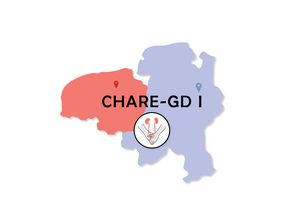
Sub-project 2: Diagnosis and treatment of urinary tract infections in Dutch and German primary care settings and their impact on the prevalence of antibiotic-resistant bacteria
Background
Antibiotic resistance is a global public health problem. Infections caused by resistant bacteria are more difficult to treat, and infectious diseases that were previously easily treatable can become life-threatening. Worldwide, treatment options for infectious diseases – including the prescribing of antibiotics – vary from country to country. Even between neighbouring countries such as Germany and the Netherlands, there are striking differences, the causes of which, however, remain largely unknown.
Objective
This project aims to investigate differences and similarities in the management, incidence and treatment of infectious diseases in the Ems-Dollart region, with a focus on primary care. Particular attention will be paid to urinary tract infections (UTIs), as these are among the most common infectious diseases in primary care and are one of the main reasons for prescribing antibiotics. Specific objectives of the project are:
- to systematically compare primary care systems on both sides of the border, including aspects of infrastructure, guidelines, and financing for diagnostics and treatment for patients with urinary tract infections (UTIs),
- to gain a better understanding of the day-to-day routine and reality faced by GPs when treating UTIs, and
- to determine the prevalence of antibiotic-resistant pathogens isolated from UTIs.
The following methods will be employed:
- literature reviews on infrastructure, general healthcare conditions and clinical practice guidelines for the treatment of UTIs
- Interviews with German and Dutch GPs to investigate differences in the diagnosis and treatment of patients with a urinary tract infection
- Examinations of patients with symptoms of an uncomplicated urinary tract infection in the northern part of the Dutch-German border region, to identify and compare the causative pathogens and their resistance patterns
- Comparison of the results with inpatient data from hospitalised patients with urinary tract infections
Duration: April 2021 to October 2024
Funding body: Lower Saxony Ministry of Science and Culture
Responsibilities
Dr Corinna Glasner¹, Prof. Dr Michael Freitag²
Project members
Prof. Dr Axel Hamprecht², Dr Marco Blanker¹, Prof. Dr Alexander Winter², Dr Bianca Michalik², Dr Henk van der Worp¹, Dr MatthijsBerends¹³, Dr Joppe van Duijn³, Dr Alewijn Ott³, Dr Imke Aits², Aida Bedri²
¹University Medicine Groningen, University of Groningen, Groningen, Netherlands
² University Medicine Oldenburg, University of Oldenburg, Oldenburg, Germany
³ Certe Medische Diagnostiek en Advies [Certe Medical Diagnostics and Consultancy], Groningen, Netherlands
Contact person:
Aida Bedri, M.Sc. in Epidemiology (research associate):
Department of Health Services Research, Division of General Practice, headed by Prof. Dr Michael Freitag
SleepCheck (completed)
Identifying challenges and potential solutions for improving sleep medicine care through GP-led preventive care
Background
Untreated sleep disorders reduce quality of life and functional capacity and increase the risk of secondary conditions. In addition to the suffering of those affected, they incur high medical and economic costs. Primary sleep medicine care provided by GPs could improve the care of patients with insomnia, who are considered to be underserved in current studies.
Objective
The SchlafCheck project aims to supplement the routine CheckUp-35 screening programme for the early detection of diseases – where necessary or where there are relevant indications in the patient’s medical history – with a two-stage diagnostic process for sleep disorders, in order to identify health-damaging sleep problems at an early stage and prevent secondary conditions. The objectives are…
- to trial a diagnostic questionnaire on sleep behaviour within the context of GP office hours.
- to identify barriers, expectations and preferences regarding sleep medicine within general practice through expert interviews
- to trial an innovative sleep diagnostic method using a home-monitoring system to record a sleep electroencephalogram (EEG)
The following methods will be used
- Interviews with GPs to identify preferences, expectations and barriers relating to sleep medicine diagnostics and the use of technical innovations
- Testing of a validated insomnia questionnaire (Insomnia Severity Index) as part of the Check-Up 35
- A field study involving patients with abnormal sleep behaviour, who will be provided with a home monitoring system to collect sleep data (EEG)
Duration: April 2023 – September 2024
Funding body: Federal Ministry of Health
Responsibilities
, Prof. Dr Michael Freitag¹, Dr Insa Wolf²
Project members:
, Marianne Timper M.Sc.¹, Dr Wiebke Pätzold²
¹FacultyVI of Medicine and Health Sciences, University of Oldenburg, Oldenburg, Germany
2 Fraunhofer Institute for Digital Media Technology IDMT, Oldenburg, Germany
Contact person:
Marianne Timper, M.Sc. Public Health (research associate):
BRIDGE (completed)

In collaboration with the Lower Saxony Association of Statutory Health Insurance Physicians (KV Niedersachsen), the European Medical School Oldenburg, the City of Emden, the District of Aurich and other partners, the BRIDGE project was launched on 1 January 2020. The project supports migrant doctors through a trainee programme until they achieve professional recognition.
HOW?
The BRIDGE project aims to develop a support structure that helps local doctors to welcome immigrant doctors, train them and enable them to work for, with and alongside them. This approach is already familiar to some extent in hospitals; however, this form of work placement is still uncommon within the general practice system. This, in turn, likely means that, in general, few migrant doctors begin specialist training to become general practitioners – something we aim to proactively counteract with this project.
PROCESS
As part of the project, migrant doctors – most of whom are already living in Germany – will work in teaching practices for 12 months to gain an in-depth understanding of the language and the German healthcare system. Throughout the project, the doctors will be supported by experts as part of preparatory training courses and other programmes. Further qualifications will be offered through the existing continuing professional development programme at the European Medical School Oldenburg, with the aim of honing their specialist competence in general practice as early as their trainee year and fostering a network between German and migrant doctors.
AIM AND COST COVERAGE
The aim of the trainee programme is for the doctors to remain in their respective GP practices following recognition of their qualifications and to commence their specialist training as general practitioners. In the first year, the doctor’s costs are covered by selected funding bodies. Accommodation is provided by the City of Emden and the District of Aurich. Should the doctor opt for general practice, a large proportion of their salary and further training costs will be funded from the following year onwards by the ‘Further Training Fund for General Practice’ (further information at kvn.de).
START
The first cohort, comprising around 10 doctors, began in April 2021. A basic requirement is that applicants demonstrate a B2 level of German and can provide all their academic records.
Contact person for the BRIDGE project at EMS University of Oldenburg:
Sabine Kurpgoweit, specialist in general practice:
Project website:
KOPAL (completed)

Development and evaluation of a concept for interprofessional collaboration
for patients requiring palliative care
Background and objectives
The care of people with progressive non-oncological chronic conditions is a challenge in general practice. Affected patients often suffer for years from severe pain, shortness of breath, anxiety or other associated symptoms. Specialised outpatient palliative care (SAPV) focuses on managing these symptoms. In the advanced stages of these conditions, hospital admissions frequently occur which could potentially have been avoided through early symptom relief and management. Despite the expansion of general outpatient palliative care (AAPV) – supplemented in 2017 by specially qualified and coordinated outpatient palliative care (BQKPMV) – case-specific consultations between GPs and SAPV are not provided for as part of standard care.
The KOPAL study aims to optimise end-of-life care by intensifying outpatient interdisciplinary and multidisciplinary collaboration, thereby reducing hospital admissions, alleviating the burden of symptoms and improving quality of life.
Design and methodology
- A two-arm, cluster-randomised, controlled intervention study conducted at four sites in northern Germany.
- Inclusion of 608 patients with a documented, confirmed diagnosis of heart failure (NYHA 3–4), COPD (GOLD 3–4, Group D) or dementia (GDS ≥ 4) across 56 GP practices.
- Standardised questionnaire on health status at baseline and after 6, 12, 24 and 48 weeks.
- Primary endpoint: total number of hospital admissions during the observation period;
- Secondary endpoints: current care situation, healthcare costs (cost-effectiveness), symptom burden, health-related quality of life.
- Final qualitative evaluation of the intervention.
Intervention
Home visit by an SAPV nurse involving a structured discussion to prepare for the one-off structured telephone case conference between the SAPV nurse, the SAPV doctor and the GP.
Planned use of results
If successful, the KOPAL concept could serve as an easy-to-implement, low-threshold approach to strengthening interprofessional and interdisciplinary outpatient palliative care.
Funding body: Innovation Committee of the G-BA
Duration: June 2019 to May 2022
Partners: UKE Hamburg, University Medicine Göttingen, Hannover Medical School, University of Oldenburg
Contact persons in Oldenburg:
Silke Böttcher, M.A. Public Health (research associate):
Research Practice Network North (FoPraNet-North)
Dear colleagues,
Studies ‘from practice for practice’ are significantly more relevant to your day-to-day work. That is why your experiences and your willingness to take part in a research project, to whatever extent, are of great importance.
The FoPraNet-Nord network is a supra-regional alliance of the local networks of the Institutes of General Practice at the university campuses in Hamburg, Hanover, Göttingen, Oldenburg, Greifswald and Rostock. Each site has its own network structures for general practice, dedicated to teaching and research, which are now being brought together under the umbrella organisation of FoPraNet-Nord. FoPraNet-Nord pursues the overarching aim of pooling expertise in general practice research, expanding co-operations and thereby sustainably strengthening general practice care in northern Germany.
We warmly invite you to get involved.
Further information can be found here: UKE – FoPraNet-Nord
We are happy to answer any questions via: