

Current research projects
Contact
Director
Mailing address
Current research projects
Regulation of innate and adaptive immune responses in inflammation, autoimmune diseases, infections, skin tumours or the induction of tolerance
The development, expansion and antigen specificity of autoreactive cells; the function of effector and suppressor cells of the innate and adaptive immune systems; the identification of pathomechanisms; the role of external factors in the regulation of systemic and organ-specific immunity; Communication between immune cells in different organs during the regulation of organ-specific and generalised immune responses.
The relevance of neuropeptides and environmental and lifestyle factors in inflammatory and degenerative diseases of the central nervous system or in systemic autoimmunity
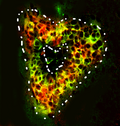
A better understanding of the cellular and molecular mechanisms that mediate the transduction and transmission of external signals into immune responses (using multiple sclerosis and experimental autoimmune encephalomyelitis (EAE) as examples, and the influence of UV radiation); the potential use of external factors as adjuvant therapeutics (environment mimetics); the use of (already authorised) anti-inflammatory and neuroprotective peptides, including innovative formulations using (organ-specific) micro- and nanoparticles, for potential therapeutic application (drug repurposing).
The importance of the 4-1BB/4-1BBL signalling pathway for communication between the immune and nervous systems, for neurosensory processes and for sensory perception
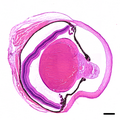
Characterisation of the cellular and molecular mechanisms underlying the spontaneous development of atopic dermatitis and cataracts; investigation of the role of 4-1BB/4-1BBL signalling in patients with atopic dermatitis and eye diseases. Interaction of immune cells with epithelial or neuronal cells; regulation of immune responses in privileged organs such as the eye.
Infection and antimicrobial immunity
Monitoring of antimicrobial immunity against clinically relevant viral and bacterial pathogens; identification of checkpoints in infections that may serve as potential targets for the development of new therapeutic approaches; Resistance and protection of epithelial barriers against pathogens; the significance of the (organ-specific) microbiome in inflammatory diseases and infections.
Anti-tumour immunity
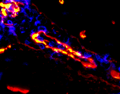
The role of co-stimulatory signals from the TNF family in the regulation of anti-tumour immunity (e.g. during UV- or chemically-induced carcinogenesis); Control of the generation, expansion, migration and function of myeloid suppressor cells (MDSCs), as well as their interaction with regulatory T cells (Tregs) and innate lymphoid cells (ILCs) during the development, progression and metastasis of tumours; Modulation of leukocyte extravasation into tumour tissue and identification of surface markers on tumour-inducing cells.