
Universitätsmedizin Oldenburg feiert zehnjähriges Bestehen
Ministerpräsident Weil würdigt "beeindruckendes Studienangebot"
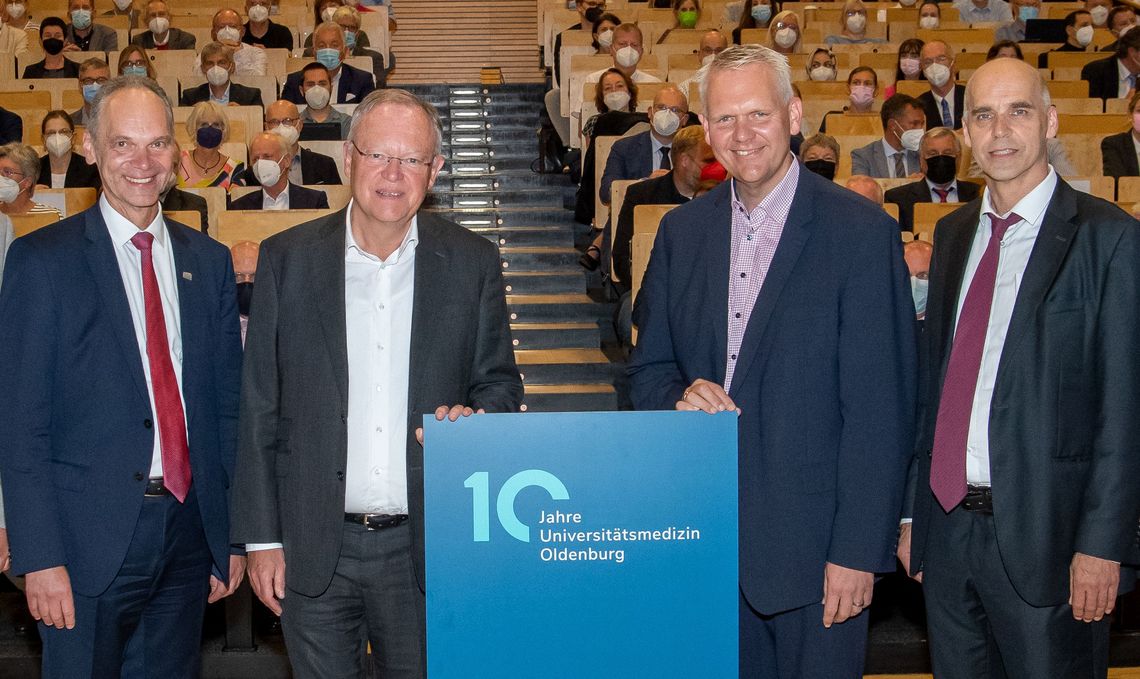
“The European Medical School Oldenburg-Groningen offers a cross-border medical training programme that is unique of its kind throughout Germany and Europe.” With these words, Lower Saxony’s Minister-President Stephan Weil paid tribute to University Medicine Oldenburg in his keynote speech at the celebrations marking its tenth anniversary. Speaking to around 600 guests from the worlds of politics, business, society, healthcare and academia, he explained: “With its model degree programme in human medicine, University Medicine Oldenburg has established an impressive range of courses that already address many aspects of the ‘Masterplan Medizinstudium 2020’.” The trainee doctors deal not only with highly specialised cases, but also with everyday illnesses – this benefits both the next generation of medical professionals and society as a whole, as in the coming years we will, above all, need general practitioners to ensure good healthcare provision.”
In November 2010, the German Council of Science and Humanities – the most important advisory body on science policy for the federal and state governments – paved the way for the establishment of a new medical faculty at the University of Oldenburg – and thus also for the German-Dutch joint project ‘European Medical School Oldenburg-Groningen’. In the 2012/13 winter semester, the first 40 students began their medical studies at the University of Oldenburg. This marked the birth of University Medicine Oldenburg, which is supported by the University, the Evangelical Hospital Oldenburg, the Karl Jaspers Clinic, Oldenburg Hospital and the Pius Hospital Oldenburg.
During the ceremony, Lower Saxony’s Minister for Science, Björn Thümler, emphasised that the University Medicine’s sites in Lower Saxony make an important contribution to healthcare provision not only in Lower Saxony but also nationwide. The purchase of the plot of land in the Oldenburg Technology Park has recently laid the foundation for further expansion. This will enable the construction of the research and office building, including the anatomy teaching facilities.
New prospects for an entire region
Work on the first construction phase of the University Medical Centre building on Pophankenweg, covering around 4,000 square metres, is set to begin in 2024. As early as the coming winter semester, the university will increase the number of places in the first year of study from the current 80 to 120. A total of 58 professors are currently engaged in research and teaching at the School, 25 of whom also work at the university clinics of the partner hospitals. Numerous other lecturers and medical staff, both at the university and in the hospitals, as well as around 180 teaching practices, support the training of future doctors. Three years ago, the number of first-year students doubled from 40 to 80. To date, 111 doctors have successfully completed their training in Oldenburg.
University President Prof. Dr Ralph Bruder emphasised that what the university has achieved since then, in collaboration with the University of Groningen and local partners in research, teaching and healthcare, is unique. Without the numerous supporters from the city and the region, this would never have been possible, added Bruder. “Oldenburg has quickly established itself as the third university medical centre in Lower Saxony. Together, we will continue to strengthen it.”
Medical training with a strong practical focus
The Oldenburg model degree programme, the ‘European Medical School Oldenburg-Groningen’, is characterised by its strong practical focus: From the very first semester, students learn examination techniques, have contact with real patients as well as specially trained simulation patients, and regularly shadow staff in surgeries and on wards. Another unique feature of medical training in Oldenburg is the co-operation with the Rijksuniversiteit Groningen (RUG) and the University Medical Centre Groningen (UMCG). This enables students, for example, to obtain a Bachelor’s or Master’s degree in addition to the State Examination. RUG President Prof. Dr Jouke de Vries also conveyed his congratulations in person on the tenth anniversary of University Medicine Oldenburg.
For patients in the region, the standard of care has improved significantly since the establishment of University Medicine Oldenburg. Across the four partner hospitals, they now have access to 27 university clinics, which treat more than 50,000 in-patient and over 130,000 out-patient cases each year.
Distinctive features of medical research in Oldenburg
The fact that University Medicine Oldenburg has rapidly become an established institution is also due to the university medical research carried out at the site. Hearing research, neurosensory research and healthcare research are particularly influential.
In 2019, the German Council of Science and Humanities confirmed that hearing research – which has been established in Oldenburg for almost three decades and enjoys international recognition – is a defining feature of local medical research. The aim is to optimise the communication experience of people with hearing impairments through improved, personalised hearing diagnostics and the provision of personalised hearing aids. Researchers in Oldenburg and their collaborative partners are working on this with great success: the ‘Hearing4all’ cluster of excellence is celebrating its tenth anniversary this year, and the Collaborative Research Centre on Hearing Acoustics has just received renewed funding. In the field of neurosensorics, researchers from medicine, the natural sciences, engineering and information sciences, psychology, healthcare research and linguistics are investigating how the human brain transforms stimuli perceived by the sensory organs into an internal mental image. More than 30 research groups are conducting interdisciplinary research into these questions.
Testing the mobility of older people, analysing data from cancer patients or developing robots for elderly care: However diverse the topics addressed by Oldenburg’s healthcare researchers may be, they all focus on everyday medical practice and conduct research aimed at creating a sustainable and high-performing healthcare system. Under the umbrella of the ‘Cross-Border Institute of Healthcare Systems and Prevention’ – a joint institution of the Oldenburg and Groningen sites – the experts conduct comparative analyses of the Dutch and German healthcare systems to gain important insights for their optimisation.

University Medicine Oldenburg:
Since its foundation in 2012, the University Medicine Oldenburg has been supported by the University of Oldenburg, the Evangelical Hospital Oldenburg, the Karl Jaspers Clinic, Oldenburg General Hospital and the Pius Hospital Oldenburg. Exactly ten years ago, the first 40 students began their training as doctors on the cross-border ‘European Medical School’ degree programme. In addition to close co-operation with the University of Groningen, the medical degree programme in Oldenburg is characterised by its practical focus. After just a few weeks, students gain practical experience during their first placement in a teaching practice. Since 2018, 111 doctors have successfully passed the State Examination. In the winter semester 22/23, 120 students will begin their training in Oldenburg for the first time.
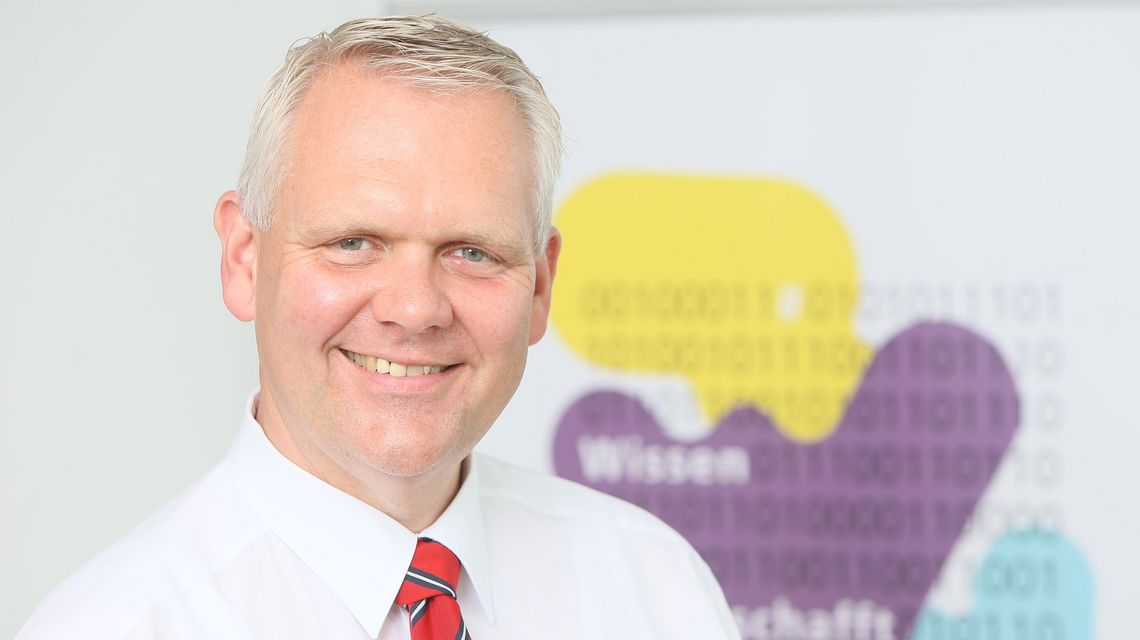
Björn Thümler,
Minister for Science and Culture of Lower Saxony
“In this legislative term alone, we have created more than 190 full-time study places [in Lower Saxony], which represents an increase of more than 30 per cent. With the increase from 40 to 120 places in Oldenburg alone, we have succeeded in establishing an innovative and strong third centre of higher education in the state in a very short space of time.”
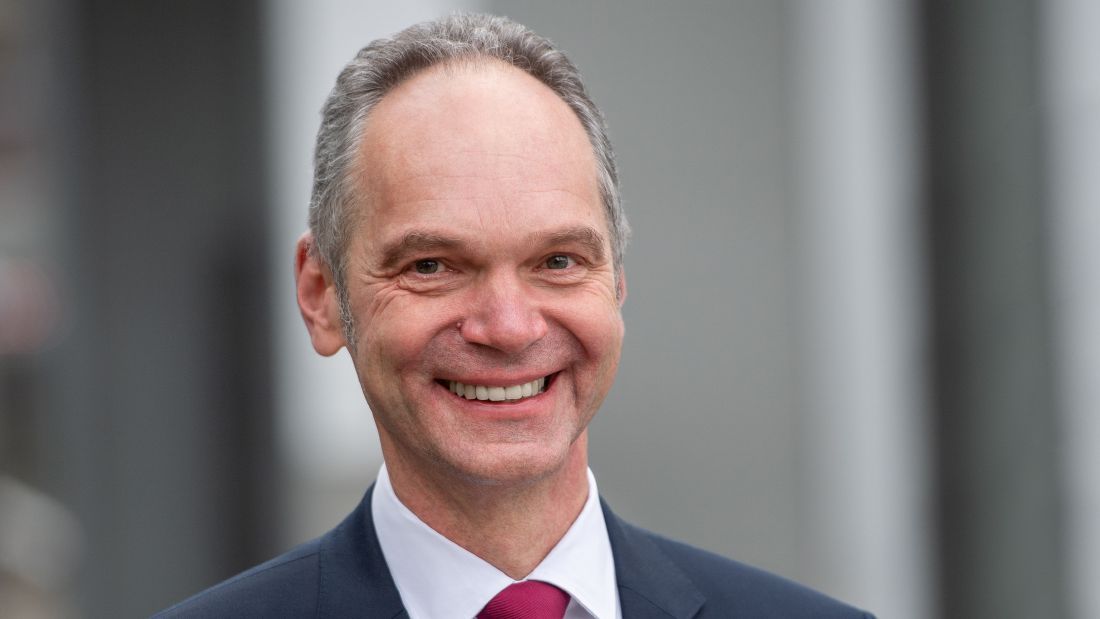
Prof Dr Ralph Bruder,
President of the University of Oldenburg
"The founding of our School of Medicine ten years ago opened up a completely new perspective for an entire region. Today, University Medicine Oldenburg is the hoped-for guarantor of medical care in the north-west and beyond",

Prof. Dr Jouke de Vries,
, President of the University of Groningen
“We look back with pride on a decade in which cooperation between our universities has grown ever closer. Whilst both universities are key players in research and teaching in their respective regions, they are also committed to translating cutting-edge findings into practical solutions that improve the well-being of people on both sides of the border. We look forward to deepening our collaboration – for the sake of research and teaching, but above all for the benefit of our citizens.”
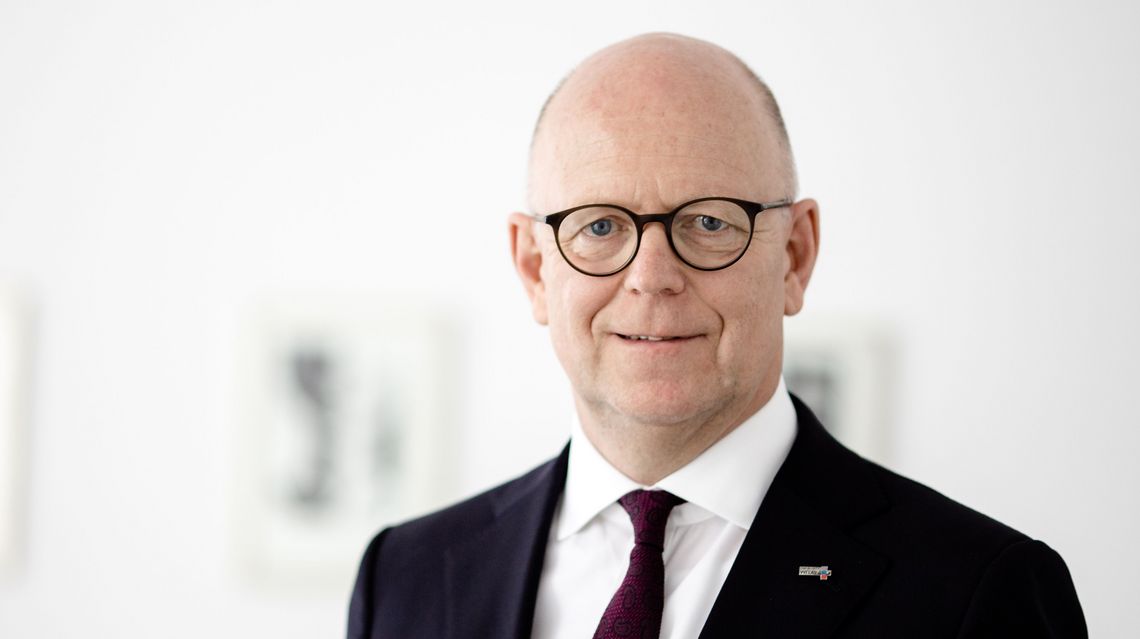
Rainer Schoppik,
, Chief Executive of Oldenburg Hospital
“University Medicine has brought about lasting change to our hospitals and taken the diagnostic and therapeutic options available to the region to a whole new level. We would like to express our sincere thanks to the organisations that run our hospitals for having provided the financial backing for this development from the very beginning and for continuing to do so despite challenging circumstances.”
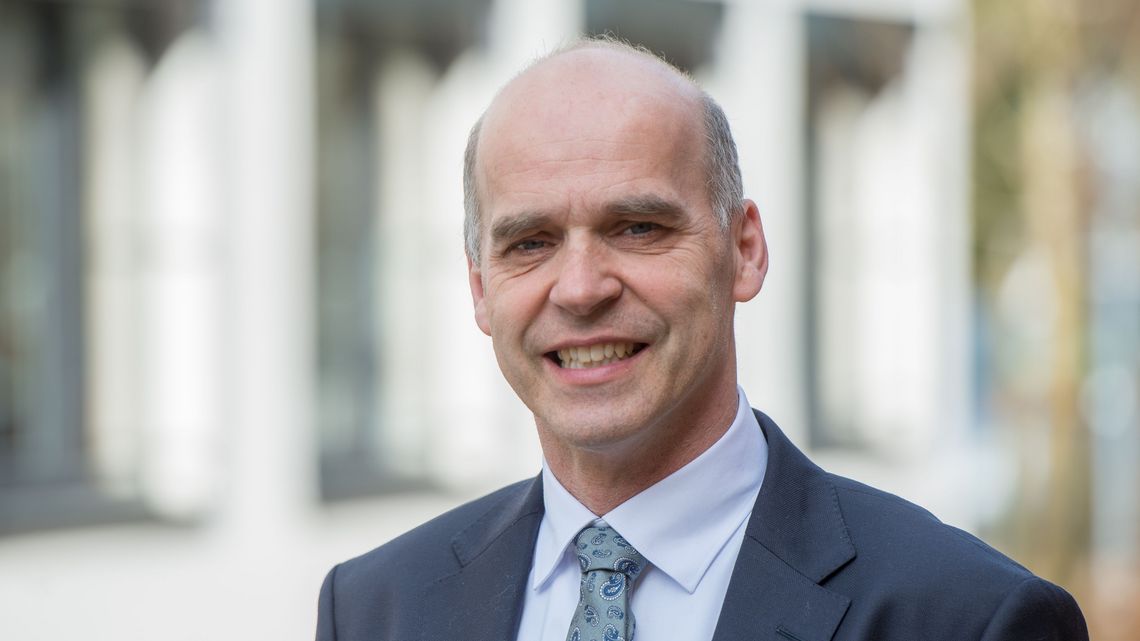
Prof Dr Hans Gerd Nothwang,
Dean of the School of Medicine and Health Sciences
"Lower Saxony needs more well-trained doctors, otherwise there is a risk of undersupply. This is why the number of study places in Oldenburg must be increased to 200 per year in the next legislative period. This also means that the university and cooperating hospitals must be adequately funded for the services they provide as part of university medicine. We also urgently need our own teaching building."