Early Modern History
Contact




Early Modern History
Every approach to the period between 1450 and 1850 confronts us again and again with the image of an epoch that was undergoing such enormous upheaval that it was already noticeable to contemporaries, and which was at the same time deeply rooted in old patterns of interpretation, behaviour and practices. For example, the justification of the modern theory of the state and the justification of the belief in witchcraft could come from one and the same pen.
What initially seems familiar to us from the perspective of the 21st century turns out to be alien and inaccessible on closer inspection. What did state action mean in the 17th century? How did trade networks develop across the globe? What role did religion and magical ideas play in interpreting the world? Why were there so many infanticides in the 17th century? Why did people write so little about their experiences of violence, grief and fear in their diaries and letters during the Thirty Years' War? What was the relationship between tolerance and enlightenment? What did the everyday nature of slavery mean in the context of European expansion and colonialism?
A prerequisite for approaching this near and yet so distant early modern period in its global interdependencies is the search for interpretations, perceptions, styles of thought and behaviour of the contemporaries themselves, and their impact on given power relations and patterns of order.
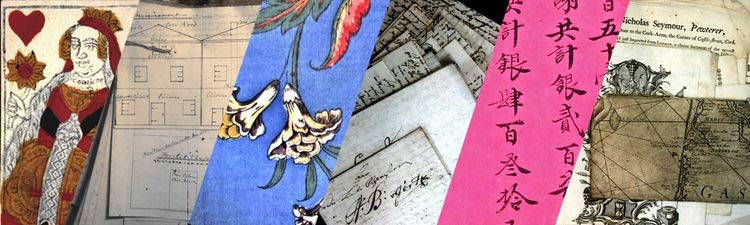
The early modern period has left behind a multitude of very different and dense textual and material sources that allow us to explore and penetrate this fascinating epoch in all its complexity and diversity.
The master's degree programme in European History offers the opportunity to focus on early modern European history in a global perspective with various profile options.
Latest news

Visitors from South Africa

New publication: Microhistory in Germany: Emergence, Methods, Themes, Debates

The talk of happiness
The Prize Papers Lunch Talks
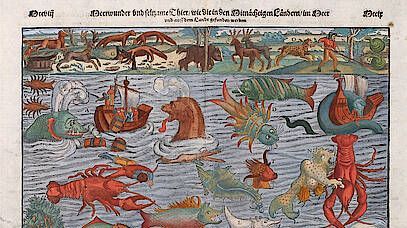
Nocturnes de l'Histoire
LoveDataWeek
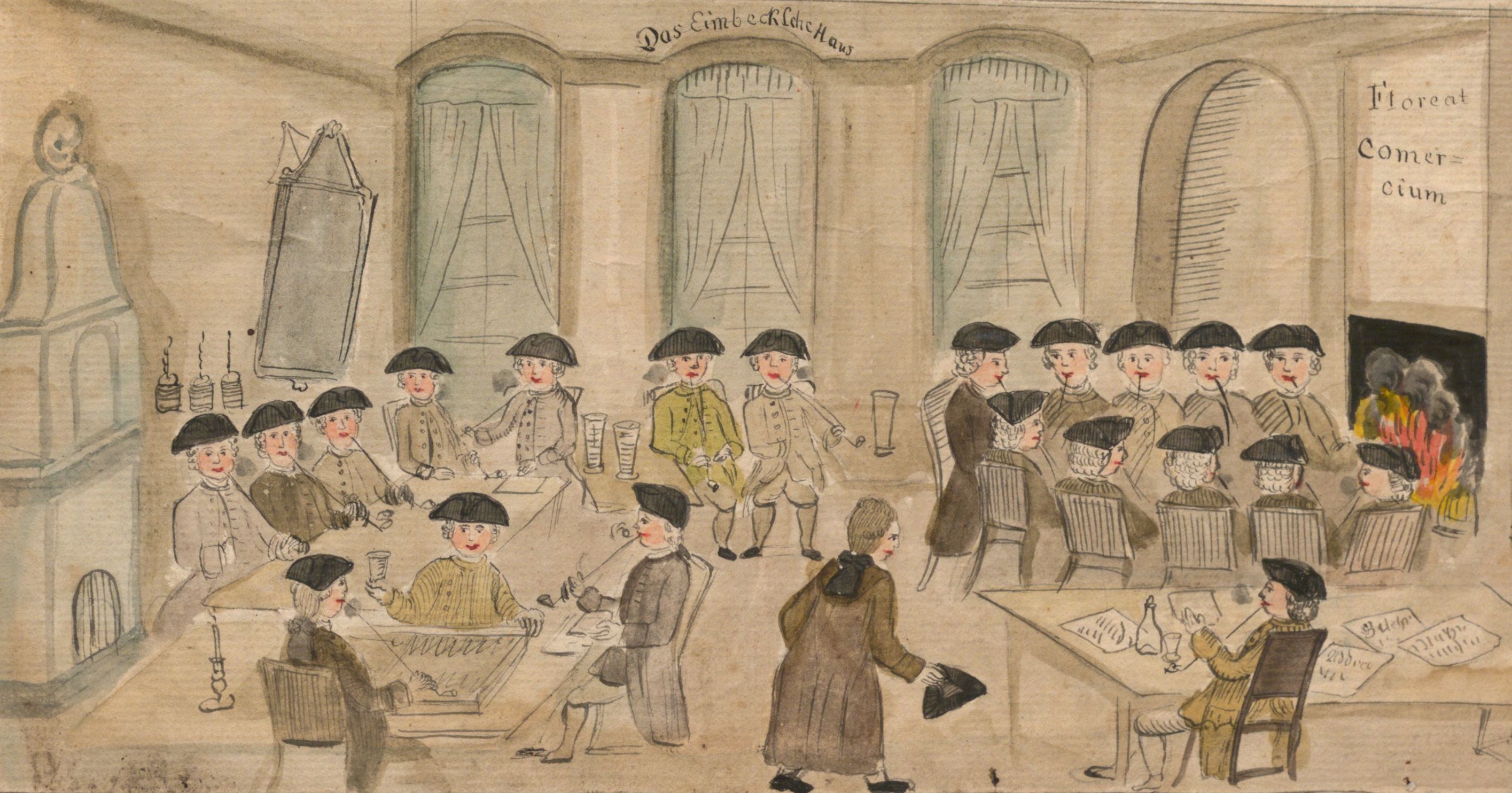
Vernisage in smoke: "Intoxicating Spaces" online exhibition goes live
Audios, videos and more
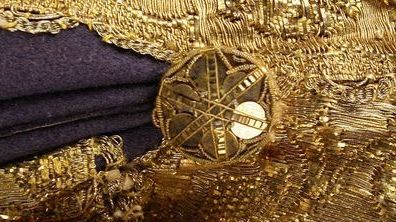
The count's new clothes
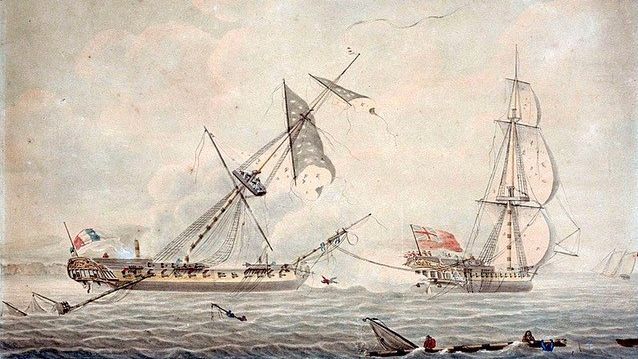
Prize Papers Project at the Göttinger Literaturherbst

Intoxicants in harbour cities in 17th to 19th century Europe
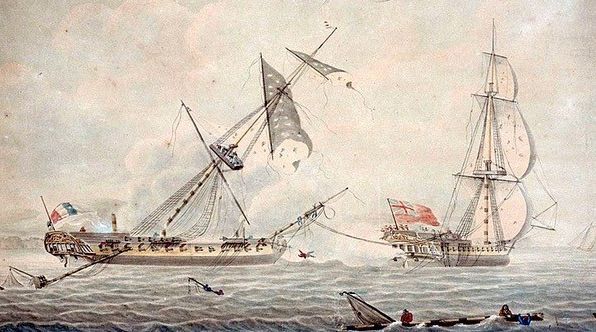
Of captured ships and forgotten booty
The North Reads: The Prize Papers, Historical find in Oldenburg