


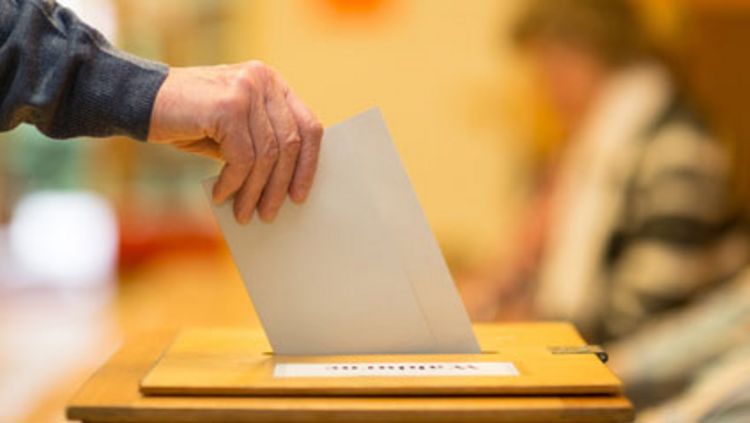

Aufnahme von Geflüchteten, Erhalt des Schwimmbads oder Standort des neuen Kindergartens - kommunale Mandatsträger gestalten die Politik in Städten und Gemeinden. Welche Einflussfaktoren bei ihrer Wahl und bei der Beteiligung daran eine Rolle spielen, will Politologe Markus Tepe genauer untersuchen.
FRAGE: Sie starten ein Forschungsprojekt zur Kommunalwahlforschung. Um es ein wenig provokant zu formulieren: Da gähnen viele womöglich erst einmal – Sie gehen ja auch von einer anhaltenden Wahlmüdigkeit auf kommunaler Ebene aus. Was ist denn an den Kommunalwahlen nun eigentlich spannend?
TEPE: Da gibt es verschiedene Facetten. Politisch-soziologisch würde ich sagen, wenn wir uns das politische Personal in Deutschland anschauen, finden die meisten ihren Einstieg in die Politik über die kommunale Ebene. Es ist der Ort, wo politisiert und politisches Personal rekrutiert wird. Zugleich ist die Kommune der Ort, wo Bürger in Kontakt treten mit Staatlichkeit. Da geht es um Fragen der öffentlichen Daseinsvorsorge – sei es der Kindergarten, sei es das Schwimmbad – aber auch die großen politischen Themen wie die Aufnahme Geflüchteter spielen sich in den Kommunen ab. Um es ideengeschichtlich zu betrachten: Demokratie braucht Orte, und die Kommune ist eben der Bezugsrahmen.
FRAGE: Was haben Sie nun in Ihrem Projekt vor, was fehlt bislang in der Kommunalwahlforschung?
TEPE: Was fehlt, sind weniger die spannenden Fragen, als vielmehr die Möglichkeiten, diese systematisch zu beantworten. Wir brauchen erst einmal eine Datengrundlage, auch wenn das trivial klingen mag. Es gibt durchaus einen großen Fundus, insbesondere beim Landesamt für Statistik, und diesen Schatz gilt es erst einmal zu heben und so zusammenzustellen, dass wir einen aggregierten Datensatz bekommen und mit diesem statistisch arbeiten können.
FRAGE: Was müssen Sie dafür zusammenbringen?
TEPE: Das sind zum einen die Wahlergebnisse und die Wahlbeteiligung, die wir zum anderen mit bestimmten Strukturmerkmalen der Kommunen kombinieren: die wirtschaftliche Performanz, soziodemografische Merkmale, aber auch politische Traditionsräume, von denen wir gar nicht wissen, wie stabil sie sind.
FRAGE: Gemeint sind sogenannte Parteienhochburgen?
TEPE: Genau. Um ein Beispiel zu bringen: Wir hatten im letzten Sommersemester Landtagsabgeordnete dazu befragt, wie stark sie mit ihren eigenen Kampagnen ihr Wahlergebnis beeinflussen konnten. Das waren dann doch eher marginale Prozentsätze, weil sie davon ausgehen, dass es starke Konstanz in politischen Einstellungen und im Wahlverhalten gibt, also eine starke Parteibindung der Wähler.
FRAGE: Zugleich sind auf kommunaler Ebene sehr viele parteilose Kandidaten erfolgreich.
TEPE: Da bricht es sich sozusagen. Die Landtagswahlkreise sind aus Sicht der Abgeordneten recht stabil, aber wenn wir auf die Kommunalebene heruntergehen, lässt sich am Parteienlabel weniger ablesen, wofür ein Kandidat steht – da hängt es möglicherweise stärker an Personen.
FRAGE: Sie sagten, an spannenden Fragen mangelt es nicht. Die Parteibindung ist ein Aspekt. Gibt es ein weiteres Beispiel?
TEPE: Das eine ist die Frage, inwiefern die politischen Mehrheitsverhältnisse die Budgets verändern, die Prioritätensetzung. Können wir beobachten, dass sich die „Farbe“ des Gemeinderats in Verbindung bringen lässt etwa mit einer bestimmten kommunalen Wirtschaftspolitik? Und ist es umgekehrt so, dass bei Veränderung bestimmte wirtschaftlicher Indikatoren in der Kommune auch die Wahlchancen für bestimmte Parteien oder Kandidaten steigen? Was wir natürlich immer gerne zeigen wollen, ist eine Kausalität – das ist mit Beobachtungsdaten schwierig, aber immerhin können wir auf einen Panel-Datensatz mit einem längeren Zeitraum zurückgreifen.
FRAGE: Sie schauen sich die Kommunalwahlen der letzten zwei Jahrzehnte an – bezogen auf jede einzelne der 991 Kommunen?
TEPE: Ja, das ist eine der Herausforderungen. Man muss sich auch erst einmal vertraut machen mit der kommunalen Struktur Niedersachsens, auch das hat ein bisschen Zeit gebraucht im Vorfeld.
FRAGE: Nun ist das ja erst einmal ein auf die Landesebene bezogener Forschungsgegenstand, der aus dem Programm „Pro Niedersachsen“ gefördert wird. Sie wollen auf einem Webportal alle Daten frei zugänglich machen – hat so etwas auch über die Landesgrenzen hinaus Vorbildcharakter?
TEPE: Ich merke schon, dass es im Kollegenkreis ein gesteigertes Interesse gibt an dieser kommunalen Ebene. Dass Daten vorhanden, aber nicht weiter aufbereitet sind, diese Situation gibt es in anderen Bundesländern auch. Es wäre schön, wenn auch dort eine kommunale Datenbasis entstünde. Ich stehe zum Beispiel in Kontakt mit Fachkollegen aus Baden-Württemberg, und das ist meiner subjektiv gefärbten Einschätzung nach ein Feld, das sich entwickelt. Kommunen als Ort von Politik im engen Austausch mit dem Bürger werden meines Erachtens wieder spannender.
FRAGE: Sie erwähnten ja eingangs Gegenstände von Kommunalpolitik: wohin kommt der neue Kindergarten, wird das Schwimmbad geschlossen, wo bringen wir Geflüchtete unter? Dabei gab zuletzt nur jeder Zweite bei den Kommunalwahlen seine Stimme ab. Unterschätzen viele diese Wahl, und hoffen Sie auf eine Trendumkehr – vielleicht auch durch die neuen Einblicke, die Ihr Webportal schaffen soll?
TEPE: Das wäre natürlich schön. Worum es hier erst einmal geht: was Kommunalpolitik macht und wie sie sich darstellt, sichtbarer zu machen. Auf vielen Feldern haben sie nur geringe Spielräume – und dort, wo sie etwas entscheiden und gestalten können, betrifft es oftmals auf den ersten Blick nur einzelne Personenkreise. Stichwort Kinderbetreuung: Wer Kinder hat, wird sensibel für Themen wie Kitagebühren, Personalschlüssel, Standort und Öffnungszeiten. Und dann merkt man: das ist Kommunalpolitik. Diese Politik wollen wir in dem Projekt für alle sichtbarer machen und ihren Mechanismen auf den Grund gehen.