



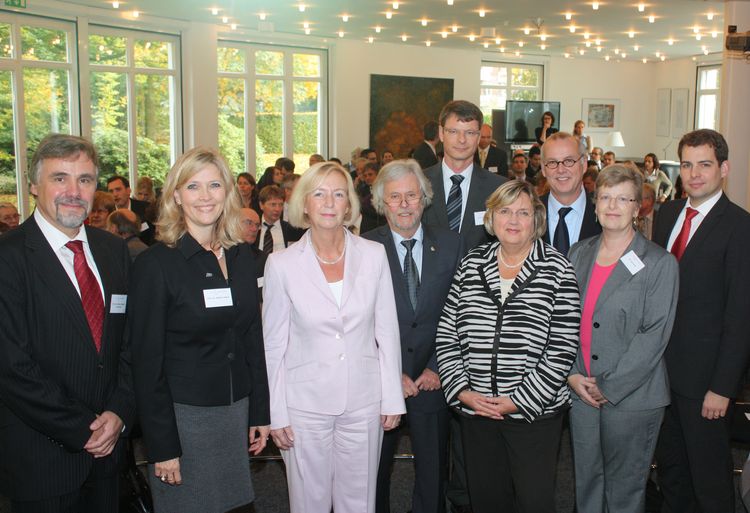


ZenTra heißt das neue wissenschaftliche Zentrum für Transnationale Studien der Universitäten Oldenburg und Bremen. Was transnationale Prozesse sind, warum es so wichtig ist, sie zu erforschen, erklärt ZenTra-Direktor Prof. Dr. Hans-Michael Trautwein.
FRAGE: Herr Trautwein, transnationale Prozesse sind das Thema von ZenTra, der gemeinsamen neuen Forschungseinrichtung der Universitäten Oldenburg und Bremen. Was genau ist darunter zu verstehen?
TRAUTWEIN: Mit „Transnationalisierung“ meinen wir grenzüberschreitende Aktivitäten von Unternehmen und anderen nichtstaatlichen Organisationen, aber auch von Personen und ihren sozialen Netzwerken. Insbesondere Aktivitäten, die nationalstaatliche Beschränkungen von Handlungsspielräumen aufheben.
FRAGE: Zum Beispiel?
TRAUTWEIN: Etwa transnationale Unternehmen. Sie produzieren in verschiedenen Ländern und orientieren sich an globalen Konzernstrategien. Dabei verändern sie sowohl die lokalen Unternehmenskulturen als auch das institutionelle Gefüge in den beteiligten Regionen. Oder das Internet: Mit den Sozialen Medien schafft es grenzübergreifende Öffentlichkeiten, die Organisation von Protestbewegungen gelingt so in viel größerer Geschwindigkeit und Ausdehnung als früher. Man denke nur an „Arabellion“, „Occupy“ oder an die sogenannten „Shitstorms“ – Transnationalisierung kann also auch „Globalisierung von unten“ sein, im Guten wie im Schlechten.
FRAGE: Warum ist es so dringlich, das zu erforschen?
TRAUTWEIN: Die Finanzkrise zeigt es uns: Wir wissen viel zu wenig über die weltweiten Verflechtungen von Krediten und Risiken, die sich in transnationalen Banken- und Schattenbankensystemen entwickelt haben. Wir wissen zu wenig über die vielfältigen Formen von transnationalem Recht, das private Akteure auf Güter- und Arbeitsmärkten schaffen. Und wir wissen noch zu wenig darüber, wie sich transnationale Aktivitäten, zum Beispiel im Schiffs- und Flugverkehr, auf das Weltklima auswirken – und wie die Einwirkungsmöglichkeiten transnationaler Klimaschutz-Netzwerke aussehen. Es gibt viele weitere Wissenslücken. Wir müssen sie dringend schließen.
FRAGE: Warum ist das so schwer?
TRAUTWEIN: Da ist zum einen die besonders hohe Komplexität und Geschwindigkeit der zu beobachtenden Prozesse. Und zum anderen gibt es Beschränkungen der Blickwinkel in den Sozialwissenschaften. In fast allen Disziplinen der Sozialwissenschaften, die sich eigentlich mit Transnationalisierung befassen sollten, denkt man entweder zu national oder zu abgehoben. So kann man die Globalisierung von unten nicht in das Blickfeld bekommen. Insbesondere die Rechtswissenschaften, die Volkswirtschaftslehre und die Politikwissenschaft beziehen sich seit jeher auf nationalstaatliche Systeme oder zwischenstaatliches Handeln. Das schlägt sich nicht nur in den analytischen Kategorien nieder, sondern auch in der Struktur der Daten, die erhoben werden.
FRAGE: Das heißt, Transnationalisierung wird gar nicht erkannt?
TRAUTWEIN: Zumindest wird das Erkennen neuartiger Muster, die durch Transnationalisierung entstehen, erschwert. Hier muss man neue Ansätze und Datensätze finden oder Bestehendes auf neuartige Weise kombinieren.
FRAGE: Auf welche zentralen Aspekte von Transnationalität werden Sie sich konzentrieren?
TRAUTWEIN: ZenTra hat eine flexible und offene Struktur. Aber eine zentrale Frage ist schon jetzt: Wie verändern nichtstaatliche Akteure in grenzüberschreitenden Beziehungen die staatlich vorgegebenen Spielregeln? Wie setzen sie ganz neue Regeln durch? Dabei geht es um neue Koordinationsformen in Unternehmen und Unternehmensnetzwerken, um Selbstregulierung, Standardisierung und Herdenverhalten auf Märkten und in sozialen Netzwerken sowie um transnationales Recht. Was sich zunächst nach sehr verschiedenen Themen anhört, hat doch einige gemeinsame oder ähnliche Grundstrukturen.
FRAGE: ZenTra-Arbeitsgruppen entstehen derzeit, einige arbeiten bereits, zum Beispiel seit Anfang des Jahres die Arbeitsgruppe „Transnationale Unternehmen und Regulierung“.
TRAUTWEIN: Die Bandbreite in dieser Gruppe reicht vom Vergleich von spezifischen Kulturen in transnationalen Unternehmen über Probleme des Wissenstransfers und der Korruptionsbekämpfung bis hin zur Regulierung von und durch Wirtschaftsprüfungsunternehmen und Ratingagenturen. Ich selbst arbeite mit Kollegen an Untersuchungen, wie die großen Ratingagenturen zur Transnationalisierung des Finanzwesens beigetragen haben, und wie sie die Handlungsspielräume staatlicher Wirtschafts- und Sozialpolitik beeinflussen.