


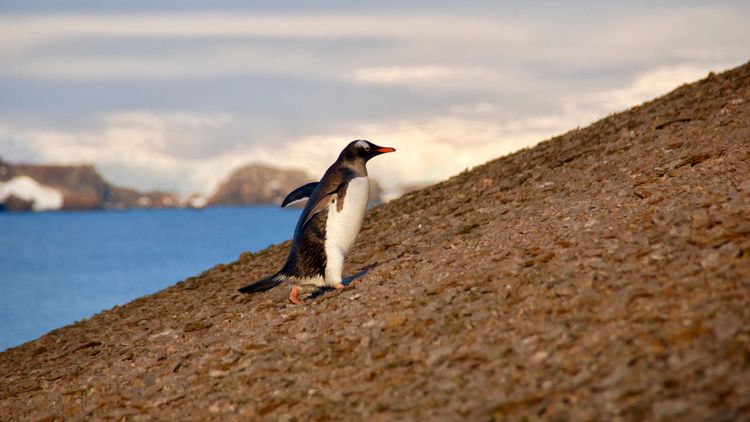
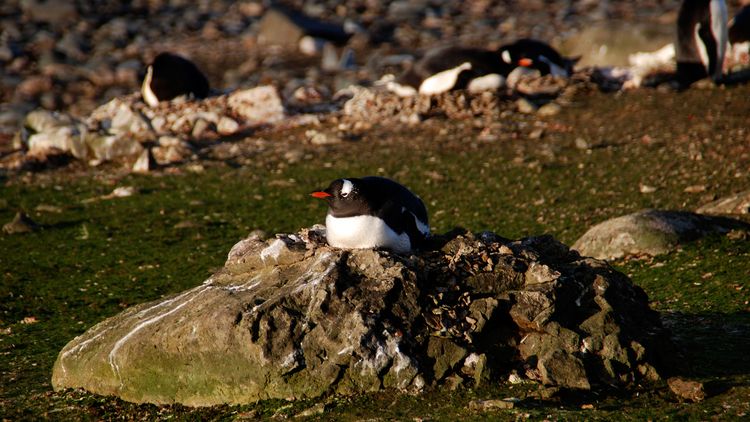
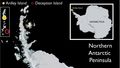
Auf Ardley Island in der Antarktis lebt eine Kolonie Eselspinguine in gefährlicher Nähe zu einem Vulkan: Mehrfach gerieten die Pinguine in den vergangenen 7000 Jahren durch Vulkanausbrüche an den Rand des Aussterbens. Dies zeigt eine aktuelle Studie, an der Oldenburger Forscher beteiligt waren.
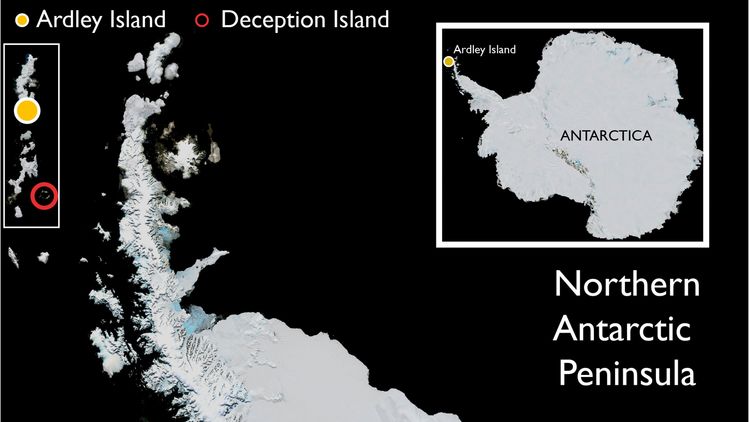
Giftige Vulkanasche, die Pinguinküken unter sich begräbt und erwachsene Tiere davontreibt. Kaum Nistmöglichkeiten für nachfolgende Brutpaare: So oder ähnlich erging es in der Vergangenheit den Eselspinguinen auf Ardley Island in der Antarktis, wenn der Vulkan auf der nahegelegenen Insel Deception Island ausbrach.
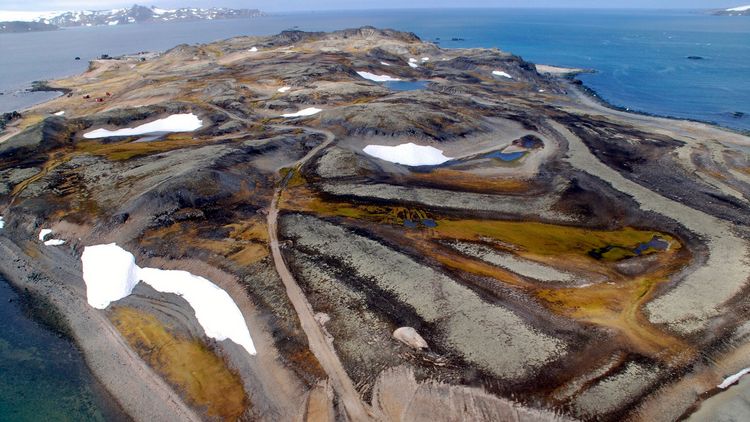
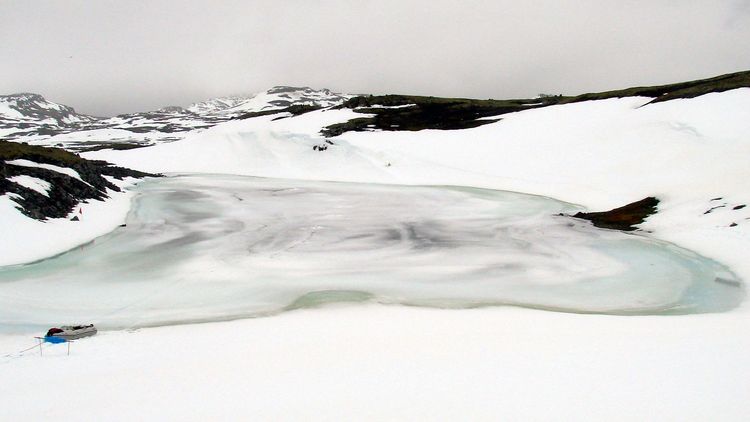
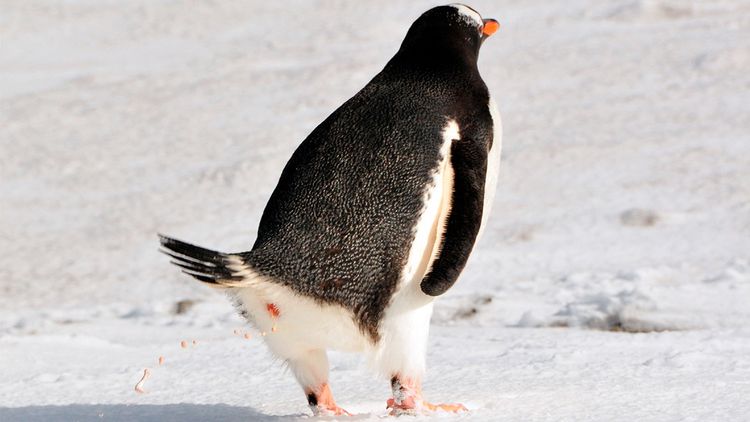
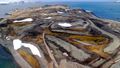
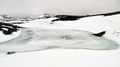
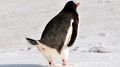
Gut 5.000 Paare von Eselspinguinen (Pygoscelis papua) leben auf der kleinen Insel vor der Westantarktischen Halbinsel. Sie bilden damit eine der größten Kolonien dieser Art in der Antarktis. Welches Schicksal die Pinguinkolonie in den vergangen 7.000 Jahren ereilte, haben Meereswissenschaftler vom Institut für Chemie und Biologie des Meeres (ICBM) der Universität Oldenburg zusammen mit britischen Experten rekonstruiert. Ihr Hauptindiz: Pinguin-Guano und Vulkanasche, die aus den vergangenen Jahrtausenden stammen. Der Fundort: Die Ablagerungen am Grund eines kleinen Sees auf Ardley Island.
Diese Sedimente des Sees bilden das historische Gedächtnis der Region. Hier reichern sich Stoffe aus der Umgebung an – wie die Ausscheidungen der Pinguine und die Asche der Vulkanausbrüche. Anhand der Funde in den Sedimenten konnten die Oldenburger Wissenschaftler Dr. Patrick Monien, Prof. Dr. Hans-Jürgen Brumsack, Dr. Bernhard Schnetger und Julia Loftfield gemeinsam mit Forschern des British Antarctic Survey in Cambridge und weiteren Kollegen herausfinden, wie lange es bereits Pinguine in dieser Region gibt und wie sich Umweltveränderungen in den vergangenen 9.000 Jahren auf die Population ausgewirkt haben.
<iframe src="https://www.youtube.com/embed/JJhVm_SB87k" frameborder="0" height="235" width="418"></iframe>
Die Ergebnisse, nun veröffentlicht in der Fachzeitschrift „Nature Communications“, fielen anders aus, als die Forscher erwartet hatten: „Wir nahmen an, dass sich vor allen Dingen Änderungen im Klima und in der Meereisbedeckung auf die Pinguinzahlen auswirken würden. Doch zu unserer großen Überraschung war das in der Vergangenheit nicht immer der Fall“, sagt Monien. Zwar falle das Maximum der Population vor ungefähr 4.000 bis 3.000 Jahren mit einer Phase wärmeren Klimas zusammen. Doch in den vergangenen 7.000 Jahren hätten gewaltige Eruptionen des nahegelegenen Vulkans einen viel größeren Einfluss auf die Pinguine gehabt, ergänzt der Umweltwissenschaftler, der inzwischen an der Universität Bremen forscht.
Die Forscher analysierten unter anderem mit modernen Methoden sogenannte „Bio-Elemente“, die vor allem im Pinguin-Guano vorkommen: Hohe Konzentrationen dieser Elemente in den Seesedimenten zeigen das Vorhandensein vieler Pinguine an. Fehlen diese Elemente, deutet dieses auf einen Zusammenbruch der Pinguin-Population hin. „So fanden wir heraus, dass zumindest drei Vulkanausbrüche, deren Aschenlagen wir nachweisen konnten, während des mittleren Holozäns, also vor 7.000 bis 4.000 Jahren, die Pinguine auf der Insel fast verschwinden ließen“, sagt Monien. Von diesen katastrophalen Ereignissen hätte sich die Population jeweils erst nach etwa 400 bis 800 Jahren wieder erholen können.
Das Projekt initiiert hatte ICBM-Forscher Brumsack, der auf die Analyse von Sedimenten spezialisiert ist. Der Geochemiker betont, dass die Untersuchung mit einem erheblichen logistischen Aufwand verbunden war. Der Erfolg zeige aber, wie wichtig die internationale Kooperation von Wissenschaftlern unterschiedlicher Institutionen sei.