

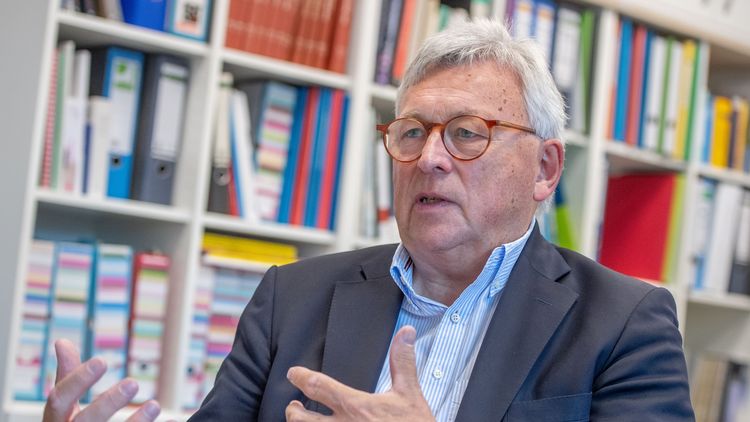

In diesem Jahr feierte die Universitätsgesellschaft Oldenburg (UGO) ihr 50-jähriges Jubiläum. Im Interview spricht der Vorsitzende Werner Brinker über Meilensteine, zukünftige Aufgaben und neue Veranstaltungen.
Die UGO ist in diesem Jahr 50 Jahre alt geworden. Wie haben sich die Ziele und Aufgaben seit der Gründung verändert?
Die Aufgaben in der Gründungsphase waren völlig andere als heute, wo wir über eine etablierte mittelgroße Universität sprechen. In der Aufbauphase war eine starke politische Unterstützung nötig, um in Hannover deutlich zu machen, wie wichtig es ist, hier im Nordwesten eine eigene Universität zu bekommen. Deswegen war es ungeheuer wichtig, aus der Region heraus, aus der Wirtschaft heraus diese Initiative massiv zu unterstützen. Heute geht es darum, die Brücke zwischen Universität und Region instand zu halten.
Welche besonderen Persönlichkeiten haben die UGO-Historie geprägt?
In der Gründungsphase hat Hans-Arnold Simon die Universität bei der notwendigen Mittelbeschaffung stark unterstützt. Später hat sich Gerhard Wachsmann als Vorsitzender der UGO ebenfalls stark politisch engagiert, um das zarte Pflänzchen Universität Oldenburg zu einem Baum werden zu lassen. Peter Waskönig hat später dafür gesorgt, dass die UGO sich stärker in der breiten Öffentlichkeit positioniert durch Botschafter, die in der ganzen Region Weser-Ems tätig sind. Natürlich gibt es noch weitere Persönlichkeiten, die sich stark engagiert haben. Aber die Highlights liegen, glaube ich, in den ersten 20, 25 Jahren.
Was waren die wichtigsten Meilensteine Ihrer bisherigen Amtszeit?
Knapp sechs Jahren bin ich im Amt, das ist ja noch nicht so lang. Bereits im ersten Gespräch mit dem ehemaligen Uni-Präsidenten Hans Michael Piper ist eine gute Idee geboren worden, woraus letztlich die Veranstaltung AUFTAKT entstand. Mir war es ein wichtiges Anliegen, die UGO-Preise für exzellente Forschung und für herausragende Promotion im Rahmen einer größeren Veranstaltung zu vergeben, um die Bedeutung zum Ausdruck zu bringen, die exzellente Forschung in unserer Gesellschaft hat. Anfangs gab es Zweifel, ob wir das Audimax vollkriegen, aber dann war innerhalb von einer Woche alles ausgebucht. Die Veranstaltung ist ein Riesenerfolg, ein echtes Highlight.
Welche Aufgaben hat die UGO künftig?
Die wichtigste Frage ist: Wie schaffen wir es, jüngere Persönlichkeiten anzusprechen, der UGO beizutreten und sich zu engagieren? Denn die UGO lebt von ehrenamtlichem Engagement. Derzeit haben wir ein recht hohes Durchschnittsalter. Deswegen ist es ungeheuer wichtig, die Leute mit qualitativ hochwertigen Veranstaltungen anzusprechen.
Welche Formate richten sich vornehmlich an Jüngere?
Vor allem „Sound of Science“ und die „Oldenburger Klimatage“, die in diesem Jahr zum ersten Mal stattgefunden haben. Mit dieser Veranstaltung haben wir ein doppeltes Jubiläum gefeiert, nämlich 50 Jahre UGO und 40 Jahre Grundsteinlegung des Energielabors. Die Idee ist, dies als Startpunkt für eine regelmäßige Veranstaltungsreihe zu nehmen, die sich dann auch stärker an die junge Generation richtet.
Und „Sound of Science“?
Dabei handelt es sich um eine moderierte Diskussionsrunde, umrahmt von Live-Musik Studierender unserer Universität. Die Diskussionen drehen sich um aktuelle Themen, etwa Nachhaltigkeit, Ernährung oder zuletzt die Energiekrise. Wir haben ganz bewusst den Oldenburger Coworking-Space Core als Veranstaltungsort gewählt, weil dort eine Atmosphäre herrscht, in der sich jüngere Leute wohlfühlen. Die Besucherzahlen haben sich seit der ersten Veranstaltung im November 2021 stetig gesteigert.
Was ist Ihre Motivation, sich als UGO-Vorsitzender zu engagieren?
Das ist relativ einfach zu beantworten, wobei ich das nicht allein auf die UGO beziehen will. Vor ungefähr 50 Jahren, auf einer Exkursion während meines Studiums, sagte mein Professor und späterer Doktorvater am Ende einer langen Diskussion: „Wenn Sie mal pensioniert werden und zurückschauen, müssen Sie eins sagen können: Ich habe für die Gesellschaft etwas geleistet.“ Das war für mich der Wahlspruch überhaupt. Denn man hat ja von der Gesellschaft etwas mitbekommen. Für mich war es ein Privileg, studieren zu dürfen und dafür praktisch kein Geld bezahlen zu müssen. Inzwischen komme ich auf 150 Jahre ehrenamtliche Tätigkeit, wenn ich alle Amtszeiten zusammenzähle.
Spielt die UGO dabei eine besondere Rolle?
Tatsächlich habe ich ein ureigenes Interesse am Job des UGO-Vorsitzenden. Es motiviert mich, mich mit komplexen Themen intensiver zu beschäftigen, etwa zur Vorbereitung einer Veranstaltung. Eine Diskussion mit unserem Nobelpreisträger Klaus von Klitzing über Naturkonstanten oder mit Matthias Bormuth über Karl Jaspers, das bedeutet eine intensive Vorbereitung, macht mir aber viel Spaß.
Vielen Dank für das Gespräch!
Dieser Text ist zuerst im UNI INFO Oktober 2022 erschienen. Interview: Ute Kehse

![[Translate to English:]](/fileadmin/_processed/d/c/csm_15_02_30428d9e24.jpg "[Translate to English:]")