

Wissenschaft für die Gesellschaft relevant machen – das ist das Ziel der Meereswissenschaftlerin Teresa Catalá aus Spanien. Dank eines Marie Skłodowska-Curie-Stipendiums der EU forscht sie nun an der Universität Oldenburg nach Wirkstoffen aus dem Meer.
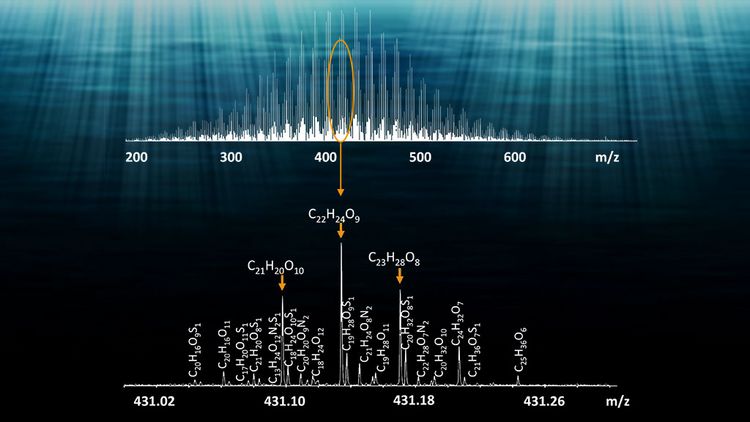
Ihre Forschung ist wie die sprichwörtliche Suche nach der Nadel im Heuhaufen: Dr. Teresa Catalá möchte herausfinden, ob bestimmte Substanzen aus dem Meer, das sogenannte gelöste organische Material (DOM), sich für medizinische oder kosmetische Zwecke eignen. „Blaue Biotechnologie“ ist das Schlagwort. Denn in jedem Liter Meerwasser sind hunderttausende der Moleküle enthalten. Bisher wissen Wissenschaftler nur wenig darüber, wie diese genau aussehen und welche Wirkungen sie haben können.
Das Besondere: Das gelöste organische Material reichert sich in den Tiefen der Ozeane über Jahrtausende an. Diese alten Moleküle unterscheiden sich deutlich von denen in anderen Wassermassen, erläutert Catalá. Genau diese Vielfalt faszinierte die junge Wissenschaftlerin schon während ihrer Doktorarbeit, in der sie eigentlich die Rolle des DOM im globalen Kohlenstoffkreislauf untersuchte: „Ich wollte wissen, warum sich die Moleküle unterscheiden; da muss doch etwas sein“, sagt Catalá.
Genau dies ist der Grund, warum sie nach Oldenburg in die ICBM-MPI Brückengruppe von Prof. Dr. Thorsten Dittmar gekommen ist. „Er ist Experte für die molekulare Diversität des gelösten organischen Materials“, erklärt Catalá. Sie hatte Dittmar bereits als Gutachter für ihre Doktorarbeit kennengelernt. Hier in Oldenburg möchte sie neue Methoden lernen und ihren Horizont erweitern – Grundlagenforschung mit einer Arbeit kombinieren, von der auch künftig die Gesellschaft profitieren könnte.
Um in Oldenburg forschen zu können, bewarb sich die junge Spanierin vor gut einem Jahr um ein Einzelstipendium der sogenannten Marie Skłodowska-Curie-Actions, die die Mobilität und Karrierechancen exzellenter Nachwuchsforscher im Rahmen des europäischen Forschungsprogramms Horizon 2020 fördern.
Für Einzelstipendien können sich weltweit vielversprechende Universitätsabsolventen mit Promotion oder mit mindestens vier Jahren Vollzeiterfahrung in der Forschung bewerben. Die Geförderten dürfen dabei ihr Forschungsthema und ihre Gastinstitution frei wählen. Sie erhalten neben ihrem Gehalt auch Forschungs- und Reisekostenzuschüsse; die Partnerinstitutionen erhalten ebenfalls Mittel, beispielsweise für das Management und die Infrastruktur. Eine Grundvoraussetzung ist jedoch die Mobilität: Die Gastinstitution darf nicht in dem Land sein, in dem die Nachwuchsforscher sich zuvor hauptsächlich aufgehalten haben.
Für Catalá war dies kein Hinderungsgrund, am Wettbewerb um die Stipendien teilzunehmen - im Gegenteil. Die Nachwuchsforscherin hatte bereits während ihrer Doktorarbeit kurze Aufenthalte im Ausland verbracht. „Ich finde es spannend, neue Menschen und neue Kulturen kennenzulernen“, sagt sie. Deutsch zu lernen, sei eine Herausforderung, die sie gerne annehme.
Auch den Antrag für das Stipendium selber zu verfassen, war eine Herausforderung: Zusammen mit Dittmar arbeitete Catalá knapp vier Monate daran. Sie führte auch vorbereitende Tests an der Universität Malaga, einer der Partnerinstitutionen, durch. Um sich optimal auf das Antragsverfahren vorzubereiten, hatte die Nachwuchswissenschaftlerin zudem an einem speziellen Trainingskurs teilgenommen. Hier erhielt sie hilfreiche Tipps, wie beispielsweise eine Kooperation mit einem Unternehmen in den Antrag mit aufzunehmen und einen interdisziplinären Ansatz zu wählen. „Außerdem lernte ich, den Antrag klar, präzise und gut zusammengefasst darzustellen“, sagt sie.
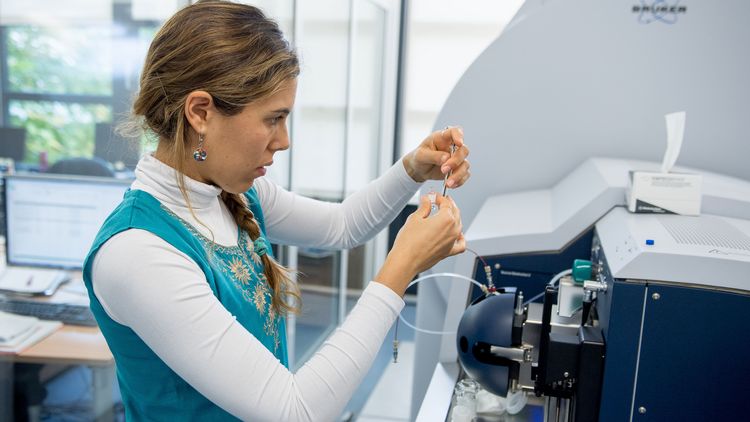
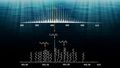
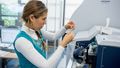
Offensichtlich überzeugten sowohl Inhalt als auch Form die europäischen Gutachter: Bereits im Februar 2017 erhielt Catalá die Zusage für das Stipendium. Seit Mai dieses Jahres forscht sie nun für zwei Jahre in Oldenburg und lernt beispielsweise, mit dem hiesigen hochauflösenden Massenspektrometer genauer die molekulare Struktur des gelösten organischen Materials zu untersuchen. Mit Kooperationspartnern in Bremen wird sie außerdem die Substanzen nach bestimmten chemischen Eigenschaften, wie beispielsweise dem pH-Wert oder der Polarität, trennen.
Erst dann kann sie den nächsten Schritt ihres großen Vorhabens bewältigen: Zu untersuchen, ob die gefundenen Stoffe auch bioaktiv sind, das heißt, ob sie beispielsweise das Immunsystem stimulieren, das Wachstum von Tumoren hemmen oder ob sie antioxidative Eigenschaften haben. Dafür muss die Meeresforscherin auch mit Zellkulturen arbeiten. „Das ist ganz neu für mich“, sagt sie. Überhaupt ist ihre Forschung Pionierarbeit, denn bisher haben Wissenschaftler die gelösten organischen Stoffe aus dem Meer nicht so detailliert untersucht. „Wir öffnen die molekulare Schatztruhe des Ozeans“, sagt Catalá. „Und es wäre schön, natürliche Stoffe zu finden, die das Leben von Menschen verbessern können.“