
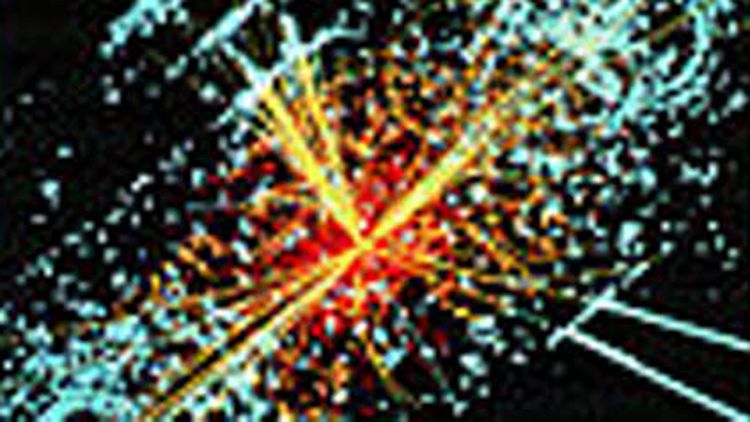
Physiker in Genf haben wahrscheinlich die Existenz der vielbeschworenen „Gottesteilchen” bewiesen. Doch was bedeutet das für die Physik und unsere Sicht auf die Welt? Der Oldenburger Physiker Christoph Lienau erklärt, warum die Entdeckung so bahnbrechend ist - und neue Fragen aufwirft.
FRAGE: Herr Lienau, was genau haben die Wissenschaftler in Genf eigentlich entdeckt? LIENAU: Sie konnten mit dem vor zwei Jahren in Betrieb genommenen Large Hadron Collider Protonen auf so hohe Energien beschleunigen, dass dabei Teilchen mit einer Energie von circa 126 Giga-Elektronenvolt freigesetzt worden sind - das entspricht der Masse von 134 Protonen. Es wird erwartet, dass es sich bei diesen Teilchen um die lange gesuchten Higgs-Bosonen handelt. FRAGE: Warum ist die Entdeckung so bahnbrechend? LIENAU: Viele von uns haben schon in der Schule gelernt, welche Masse kleinste Teilchen wie Elektronen oder Protonen haben. Manche haben die Werte vielleicht sogar auswendig gelernt – und gegebenenfalls auch wieder vergessen. Es wurde aber nicht erklärt, warum diese Teilchen eigentlich eine Masse haben und warum diese genau die Werte annimmt, die wir beigebracht bekamen. Sehr erfolgreiche physikalische Modelle zur Beschreibung „der Welt“, also von Elementarteilchen und deren Wechselwirkungen, wie das sogenannte Standard-Modell, können dies auch nicht. Die Frage nach dem Ursprung der Masse blieb lange Zeit völlig ungeklärt. Im Jahr 1964 hat nun der britische Physiker Peter Higgs gezeigt, dass man dieses dadurch erklären könnte, dass das, was wir Vakuum nennen, nicht wirklich leer ist. Auch dort gibt es Energie, die im Hintergrund mit den bekannten Elementarteilchen in Wechselwirkung steht. Higgs vermutete, dass es „göttliche“ Teilchen im Hintergrund gibt, die diese Wechselwirkung verursachen und damit den anderen Teilchen die Masse verleihen.FRAGE: Und nach diesen Teilchen haben die Forscher gesucht? LIENAU: Ja, seit der Vermutung von Higgs, die unabhängig auch von weiteren belgischen und englischen Forschern entwickelt wurde. Jetzt haben Forscher die Existenz der Higgs-Teilchen wahrscheinlich bewiesen und damit eine mögliche Erklärung des Ursprungs der Masse offenbar bestätigt. FRAGE: Wie ist diese Entdeckung möglich geworden? LIENAU: Es ist konzeptionell simpel, technologisch aber hoch komplex. Am Forschungszentrum Cern in Genf werden Protonen in zwei Röhren in einem 27 Kilometer langen Tunnel auf 99,9999991 Prozent der Lichtgeschwindigkeit beschleunigt und knallen dann aufeinander. Dabei entstehen eine Vielzahl hochenergetischer Teilchen, die dann analysiert werden. In dem Large Hadron Collider war die Energie der Protonen nun hoch genug, um auch einige Exemplare der schweren Higgs-Teilchen mit einer Masse von 126 Giga-Elektronenvolt erstmals nachweisen zu können. Inzwischen wurden so viele Teilchen nachgewiesen, dass die Wahrscheinlichkeit, dass es sich um Messfehler handelt, nur noch eins zu einer Million ist. Wir Physiker nennen das eine Entdeckung. FRAGE: Ist es nun möglich, den Bauplan des Universums physikalisch vollkommen zu erklären? LIENAU: Es wurden ganz erhebliche Belege dafür gefunden, dass es Higgs-Bosonen wirklich gibt. Damit wurde das von Higgs vorgeschlagene Modell zur Deutung des Ursprungs der Masse und somit indirekt auch das Standardmodell nachdrücklich bestätigt. Dieses ist sicherlich ein ganz wesentlicher Schritt für die Elementarteilchenphysik. Aber eine „vollkommene Erklärung“ ist ein großes Wort. Ich zumindest weiß nicht genau, warum und wie der Urknall abgelaufen ist oder warum die Masse des Higgs-Teilchens gerade 126 Giga-Elektronenvolt ist. Ich vermute, dass es den Experten auf diesem Gebiet auch nicht viel besser geht. Es scheint, als hätten die Kollegen vom Cern eine weitere Tür in eine verborgene Welt aufgetan. Es wird spannend sein, zu sehen, was sich dahinter verbirgt. FRAGE: Es gibt also mehr Materie, als uns bekannt ist? LIENAU: Sicherlich. Mit unseren menschlichen Sinnen haben wir nur einen sehr begrenzten Wahrnehmungshorizont. Wir entwickeln sehr rasch immer ausgefeiltere Experimente, um das zu sehen, was wir vorher nicht sehen konnten. Die Entdeckung des Higgs-Bosons ist ein Beispiel dafür, die Suche nach dunkler Materie und schwarzen Löchern sind weitere. Die Anzahl der bekannten Materieformen hat sich in den letzten 100 Jahren erheblich erhöht, vermutlich wird das auch noch so weitergehen. FRAGE: Ändert das Higgs-Boson nun unsere Sicht auf die Welt? LIENAU: Zunächst einmal rufen die aktuellen Experimente am Cern ein großes Interesse der breiten Öffentlichkeit hervor. Offensichtlich sind nicht nur wir Wissenschaftler sehr neugierig. Dieses Interesse wird sicher auch wieder verebben, die „Welt“ wird aber sicher nicht mehr ganz so sein, wie sie vorher war. Die Entdeckung am Cern wird so viele neue Fragen aufwerfen, dass wir alle sicherlich auch in den nächsten Jahren und Jahrzehnten noch viel Neues darüber lernen werden, was die Welt im Inneren zusammenhält. FRAGE: Strahlt die Entdeckung auch in Ihr Forschungsfeld der Ultraschnellen Nanooptik hinein? LIENAU: Sie zeigt, dass wissenschaftliche Neugier und der Drang nach Erkenntnis eine ganz wesentliche Triebkraft für Fortschritt sind. Dieses gilt nicht nur in der Elementarteilchenphysik, sondern ganz generell in allen Feldern der Grundlagenforschung. Wir selber nutzen ausgeklügelte optische Mikroskopietechniken mit enorm hoher Zeitauflösung, um zu sehen, wie sich einzelne Elektronen in Nanostrukturen bewegen. Letztendlich geht es darum, die Gesetze zu erkennen, nach denen bestimmte Prozesse in der Natur funktionieren und zu verstehen, wie und warum komplexe Architekturen wie organische Solarzellen oder biologische Lichtsammelkomplexe funktionieren. Ob daraus eines Tages bessere, sprich preisgünstigere oder effizientere Solarzellen werden, ist schwer vorherzusagen. Aber auch hier hängen „Fortschritt“ und die Entdeckung von Neuem ganz eng mit der technologischen Möglichkeit zusammen, Dinge zu sehen, die noch niemand vorher gesehen hat. Dieses macht den enormen Reiz von Forschung aus.Prof. Dr. Christoph Lienau ist Leiter der Arbeitsgruppe Ultraschnelle Nanooptik am Institut für Physik der Universität Oldenburg.