
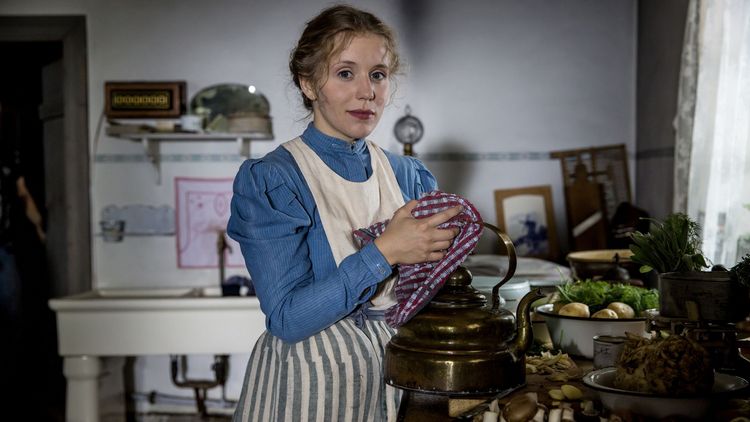

Das Leben von Kaisern und Königen ist umfassend dokumentiert. Über das Schicksal von ganz normalen Menschen ist hingegen wenig bekannt. Wie lebte beispielsweise ein Dienstmädchen zur Kaiserzeit? Die Oldenburger Historikerin Gunilla Budde erforscht das Leben dieser und weiterer Heldinnen des Alltags.
Die Rechtschreibung ist abenteuerlich, die Gedanken fliegen von einem Thema zum nächsten und Satzzeichen sind der Autorin offenbar fremd: Wer die Autobiografie von Sophia Lemitz liest, braucht viel Geduld und Vorstellungskraft. Dennoch sind die Aufzeichnungen, die Gunilla Budde Ende der 1980er Jahre in den Beständen des Sammlers und Schriftstellers Walter Kempowski entdeckte, von unschätzbarem Wert. „Es gibt nicht viele Dienstmädchen, die ihre Lebenserinnerungen aufgeschrieben haben. Mir war gleich klar, dass ich einen Schatz in den Händen halte“, erinnert sich die Historikerin, die seit 2005 als Professorin an der Universität Oldenburg die Geschichte des 19. und 20. Jahrhunderts erforscht. Damals, in Kempowskis Dachgeschoss-Archiv, war der Wissenschaftlerin bereits klar, dass man die Geschichte des Bürgertums nicht adäquat analysieren kann, ohne die Geschichte der Dienstmädchen einzubeziehen. „Die Dienstmädchen sind ein wichtiger Teil des Bürgertums, sie wohnten ja mit in den bürgerlichen Familien und dokumentierten durch ihre Existenz den bürgerlichen Status. Vor allem den Kindern waren sie häufig sehr nah, manchmal sogar näher als die Eltern“, erklärt Budde. Dienstmädchen sei im 19. Jahrhundert der Frauenberuf schlechthin gewesen, in der Regel für eine Übergangszeit zwischen Schulentlassung und Heirat.
„Ich hatte Glück im Dienen“
So war es auch bei Sophia, deren Lebensgeschichte Budde intensiv erforscht und später in einem Buch veröffentlicht hat. Sophia ist vierzehn Jahre alt, als sie 1858 eine Stellung im Haushalt einer zehnköpfigen Schifferfamilie im Kurort Hohwacht an der Ostsee annimmt. In dem Kapitel „Ich hatte Glück im Dienen“ berichtet sie in ihrer Autobiografie von den ersten Erfahrungen: Körperlich schwere Arbeit, aber genug zu essen. Dazu die intensive Freundschaft zu der fünf Jahre älteren Friederike – ebenfalls ein Dienstmädchen, das ihr allerlei Nützliches beibringt, beispielweise wie man eine Kuh melkt oder aus dem Meer rettet. „Das Leben als Dienstmädchen war hart: Sie wurden von ihren Familien getrennt, hatten sehr wenig Freizeit, höchstens mal einen Sonntagnachmittag“, erzählt Budde. Hinzu kommt das ambivalente Verhältnis zur Herrschaft: Sophia und ihresgleichen waren bemüht, so wenig wie möglich anzuecken. Sie mussten sehr anpassungsfähig sein und die Launen ihrer Herrinnen und Herren geduldig ertragen. Gleichzeitig kamen im Kaiserreich nach und nach andere Berufe für Frauen auf, beispielsweise Fabrikarbeit, die geregelter und besser bezahlt war. „Die Herrschaft musste also auch sehen, dass sie sich die Dienstmädchen warm hielt – auch, weil diese oft pikante Details der Familie mitbekommen hatten. Man brauchte sich gegenseitig“, fasst Budde zusammen.
Das betraf auch eine weitere Berufsgruppe im bürgerlichen Haushalt: Die Gouvernanten. Diese waren höher gestellt als die einfachen Dienstmädchen, kamen aus dem mittleren Bürgertum und wurden vor allem in wohlhabenden Kreisen wie Unternehmer- und Adelsfamilien eingestellt, um sich um die Bildung der Töchter zu kümmern. Bei ihren Forschungen anhand verschiedener Autobiografien bekannter Gouvernanten – darunter auch Helene Lange und Bertha von Suttner – stieß Budde auf ein unerwartetes Bild: Statt des Images des Mauerblümchens, für das sich kein Mann interessierte, stieß sie auf selbstbewusste, weltgewandte Frauen, die das Gouvernanten-Dasein bewusst als Alternative zur Heirat gewählt hatten. „Es war für viele wie ein Befreiungsschlag – eine selbstbestimmtere Lebensperspektive als die übliche Rolle als Hausfrau, Ehefrau und Mutter“, sagt Budde. Nicht wenige Gouvernanten haben laut Budde später trotzdem geheiratet, aber zunächst einige Jahre diese selbstbestimmte Phase mit eigenem Geld genossen – in einem Beruf, in dem sie sich stetig weiterbilden konnten.
Weltenbummlerin statt Mauerblümchen
Einige von ihnen verfassten sogar selbst Lehrbücher mit hilfreichen Tipps für neue Berufskolleginnen – diesen Schriften können die Historiker heute wichtige Hinweise zum Selbstverständnis der Hauslehrerinnen entnehmen. „Da stand dann zum Beispiel, wie man sich zu verhalten hat, wenn die Familie einen zu einem gesellschaftlichen Ereignis hinzubittet: Klavier spielen nur nach Aufforderung und zurückhaltend kleiden, also auf keinen Fall schöner sein wollen als die Töchter der Familie“, erzählt die Wissenschaftlerin. Dazu kamen Tipps für den Alltag, wie man mit einem kranken Kind umgeht oder einen interessanten Unterricht gestaltet.
Was den Beruf außerdem attraktiv machte, war die Möglichkeit zu reisen und andere Kulturen kennenzulernen. „Unter den Gouvernanten war es auch schon früh üblich, ins Ausland zu gehen, schon ab den 1870er Jahren“, ergänzt Budde. Gerade in England sei es sehr beliebt gewesen, für die Kinder eine muttersprachliche Deutschlehrerin anzuheuern. Die polyglotten, weltgewandten Frauen beeinflussten mit ihrem Lebensentwurf natürlich auch die Entwicklung ihrer Schützlinge. „Die Kinder der Adelsfamilien nahmen ihre Gouvernanten durchaus als alternatives Rollenmodell wahr“, sagt Budde. Sie bekamen mit, dass es mehr gibt als nur auf der Chaiselongue zu liegen oder Gesellschaften zu geben wir ihre Mütter. Plötzlich gab es da eine Frau, die in die Welt hinausging und ihr eigenes Geld verdiente. Budde geht davon aus, dass deswegen das Bild der Gouvernante absichtlich negativ gefärbt wurde, beispielsweise in Büchern. „Dieses Gegenbild wurde stark verbreitet, um diesen Lebensweg nicht zu attraktiv zu machen. Eigentlich sollten die Töchter nach wie vor heiraten – und zwar den Richtigen“.
Die ZDF-Dokumentation "Ein Tag in der Kaiserzeit" lässt den Zuschauer in das Leben des Dienstmädchens Minna eintauchen. Gunilla Budde wirkte an der Produktion mit.