


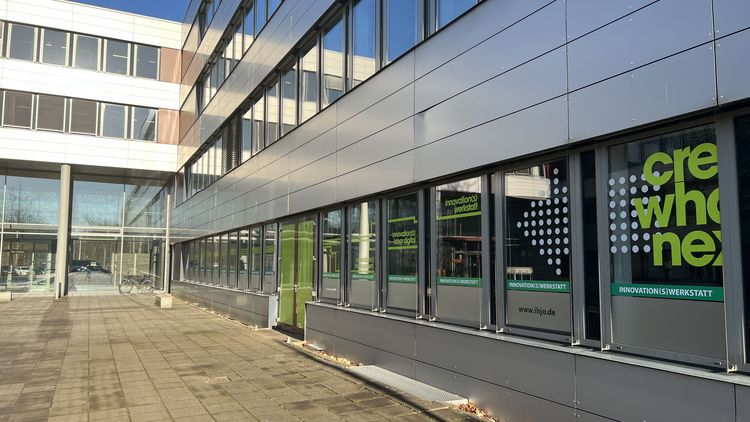








Wer Ideen umsetzen, Prototypen herstellen oder einen Podcast aufnehmen möchte, ist auf dem Innovationscampus der Universität richtig: Im Erdgeschoss des Gebäudes V03 findet sich alles, was kreative Köpfe dafür brauchen.
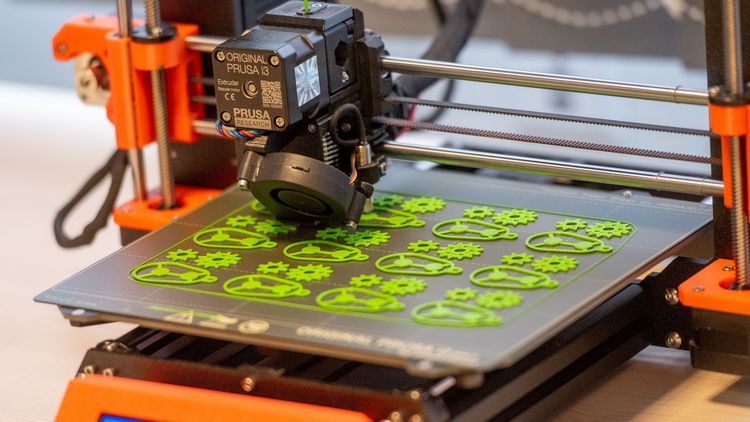
Die grünen Objekte sehen aus wie Schmuck für den Weihnachtsbaum: große und kleine Sternchen sowie filigrane, ovale Gebilde mit einem kleinen Loch an der Spitze. Was auf dem Drucktisch des kleinen 3D-Druckers im „Digitallabor“ der Universität gerade in Windeseile heranwächst, sind die Einzelteile von Schlüsselanhängern. Gleichzeitig demonstriert die Maschine, wie sich schnell und präzise aus einem Faden des Kunststoffs PETG komplexe, dreidimensionale Werkstücke anfertigen lassen.
Das Digitallabor gehört gemeinsam mit der „Innovationswerkstatt“ und dem „Social Innovation Lab“ zum Innovationscampus der Universität. Die Angebote der drei Einrichtungen, die im Erdgeschoss des Gebäudes V03 untergebracht sind, stehen allen Uni-Angehörigen kostenlos zur Verfügung. „Wir haben Standardmaterialien sowie -programme und unterstützen auch bei der praktischen Umsetzung“, sagt Anna Behrenbeck, im Referat Forschung und Transfer zuständig für Gründungsberatung im Bereich Digitalisierung. Im Falle des 3D-Drucks können Interessierte Hilfe bei der Konstruktion von eigenen Modellen erhalten oder die digitalen Vorlagen für den Druck bereits mitbringen.
Ausprobieren, gemeinsam an Lösungen arbeiten, kreativ sein: Diese Möglichkeiten bietet der Innovationscampus allen an der Universität – vom Studierendenteam, das ein Startup gründen möchte, über den Dozenten, der seine Lehrveranstaltung mit Praxisanteilen aufpeppen will bis zur Professorin, die nach einem Format für die Wissenschaftskommunikation sucht. Gleichzeitig ist der Innovationscampus auch ein Ort, an dem Wissenschaftlerinnen und Wissenschaftler gemeinsam mit regionalen Unternehmen ihre Forschungsergebnisse in die Praxis umsetzen können. „Der Wissenstransfer aus der Universität in die Gesellschaft ist neben Lehre und Forschung die dritte Mission der Hochschulen – und der Innovationscampus ist der Ort, an dem dieser Austausch besonders gut gelingen kann“, sagt Anne-Kathrin Guder, Leiterin des Transferteams der Universität.
Kostenlose Infrastruktur für alle Uni-Angehörigen
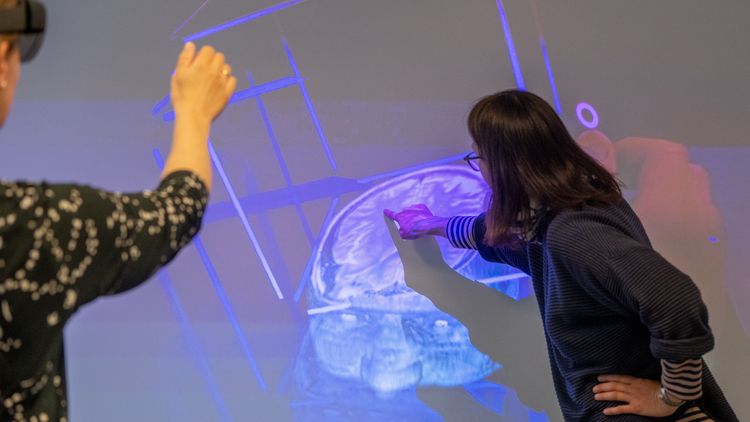
Eingerichtet wurde der Campus bereits 2020 als Teil des Projekts „Innovative Hochschule Jade-Oldenburg!“. Nachdem das Vorhaben im Dezember 2022 endete, führt die Universität die drei dazugehörigen Einrichtungen nun fort – und stellt damit eine beachtliche Infrastruktur zur Verfügung. Im Digitallabor stehen nicht nur drei verschiedene 3D-Drucker zur Verfügung, sondern Interessierte können auch mit speziellen Programmen digitale Prototypen herstellen und diese mit Hilfe von AR- und VR-Brillen im virtuellen Raum begutachten. Um solche digitalen Objekte auf einer Messe zeigen zu können, gibt es ein 3D-Animationsgerät, das Hologramme erzeugen kann. „Wir haben außerdem vier spezielle Computer für KI-Anwendungen“, berichtet Behrenbeck.
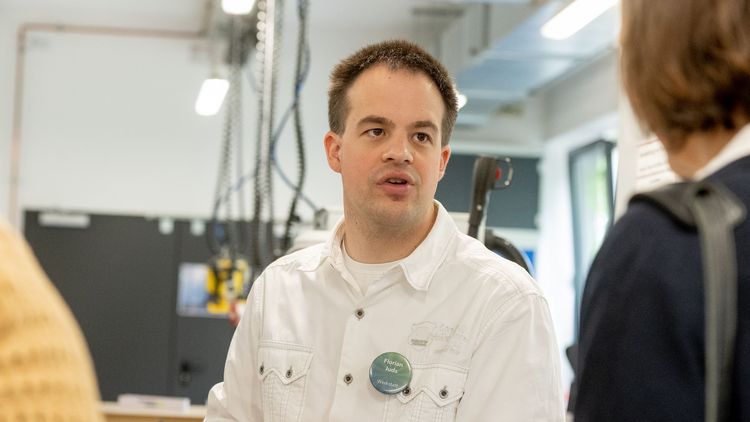
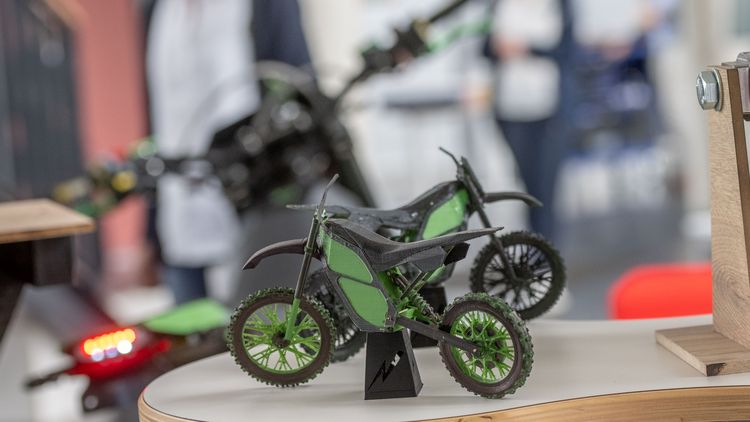
Wer Prototypen und Werkstücke physisch herstellen möchte, ist in der sehr gut ausgestatteten Innovationswerkstatt bei Florian Juds richtig. Er ist Ansprechpartner für alle, die mit der computergesteuerten Fräsmaschine, der Drehmaschine oder dem Metall-3D-Drucker besondere Bauteile herstellen möchten. „Wir decken die Grundlagen der Metall- und Kunststoffbearbeitung ab“, erklärt er. Anders als in den klassischen Werkstätten der Universität werden hier jedoch keine Dienstleistungen angeboten: „Wir begleiten Nutzerinnen und Nutzer dabei, ihre Ideen selbst umzusetzen. Dafür finden Sie bei uns ideale Voraussetzungen“, sagt Juds. Das Angebot beschränkt sich nicht auf Gründungswillige, sondern steht allen Universitätsangehörigen offen – und wird auch entsprechend genutzt. Juds berichtet von Anfragen aus allen Fachbereichen von der Medizin über die Physik bis hin zur Kunst.
Den dritten Teil der Innovationswerkstatt bildet das „Social Innovation Lab“ – ein Raum, in dem alles bereitsteht, um Workshops und Seminare durchzuführen. „Das Feld Transfer entwickelt sich weiter, inzwischen geht es verstärkt auch um soziale Innovationen“, berichtet Anne-Kathrin Guder. Das Gründungs- und Innovationszentrum (GIZ) der Universität bietet beispielsweise Veranstaltungen an, in denen Teilnehmende im Team mit verschiedenen Kreativitätstechniken Lösungsansätze für gesellschaftliche Probleme erarbeiten.
Denken mit den Händen
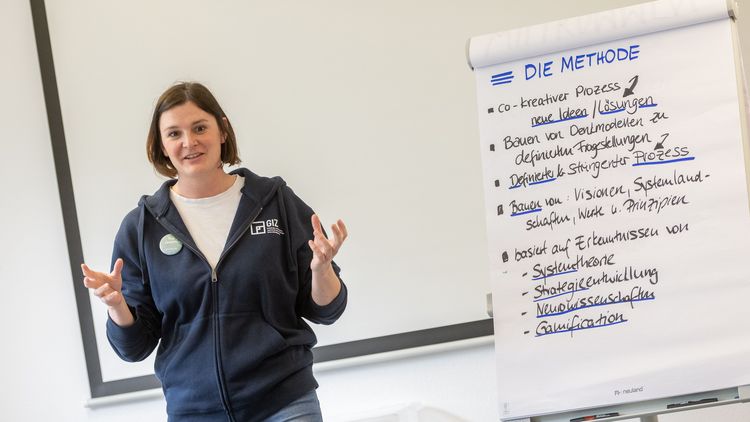
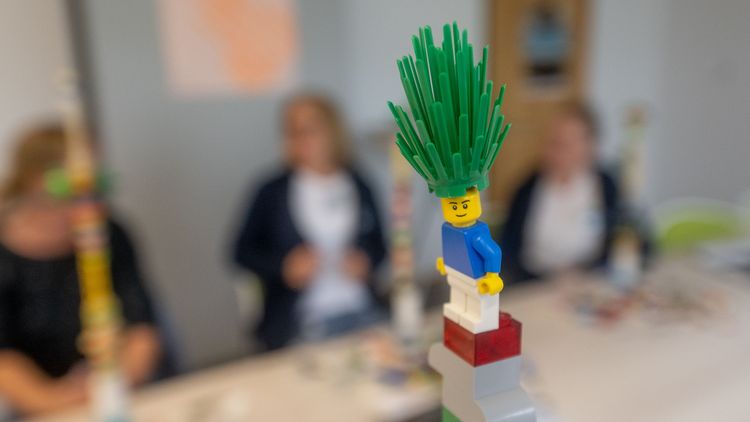
Eine der verwendeten Methoden, um auf unkonventionelle Art neue Ideen zu entwickeln, ist „Lego Serious Play“ (LSP). In Workshops erhalten die Teilnehmenden eine Tüte Legosteine und verschiedene Aufgaben – von konkreten Anweisungen wie „Baue einen möglichst hohen Turm“ bis hin zu abstrakten wie „Stelle dar, welche Dinge dir in einem Team wichtig sind“. „Das Ziel eines Workshops kann technisch sein, etwa, einen Prototyp zu entwickeln, es kann aber auch darum gehen, die Teamkultur zu verbessern oder eine Unternehmensstrategie zu entwickeln“, erläutert Tina Zandstra, zertifizierte LSP-Moderatorin und am GIZ zuständig für Gründungsmarketing und Gründungssensibilisierung. Durch das „Denken mit den Händen“ würden Probleme besser fassbar, zudem sei es oft einfacher, über ein Modell zu reden als konfliktbehaftete Punkte direkt zu diskutieren.
Für das immer wichtigere Thema Wissenschaftskommunikation bietet der Innovationscampus ebenfalls Möglichkeiten. Forschende können sich dazu beraten lassen, über welches Format sie am besten in einen Dialog mit der Öffentlichkeit treten können – etwa über einen eigenen Blog oder die Teilnahme an einem Science Slam. Im Digitallabor steht zudem ein Aufnahmestudio für Podcasts und zum Filmen zur Verfügung – um mögliche Ideen gleich in die Tat umzusetzen.
„Unser 15-köpfiges Team ist hochmotiviert und setzt sich begeistert dafür ein, das Wissen aus der Universität für die Region nutzbar zu machen“, betont Anne-Kathrin Guder. Der Innovationscampus sei dafür genau richtig: „Es ist ein Ort, an dem man Dinge gemeinsam ausprobieren kann und, sollte man scheitern, sie neu und anders ausprobieren kann.“