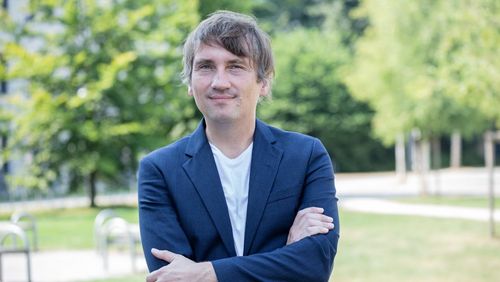
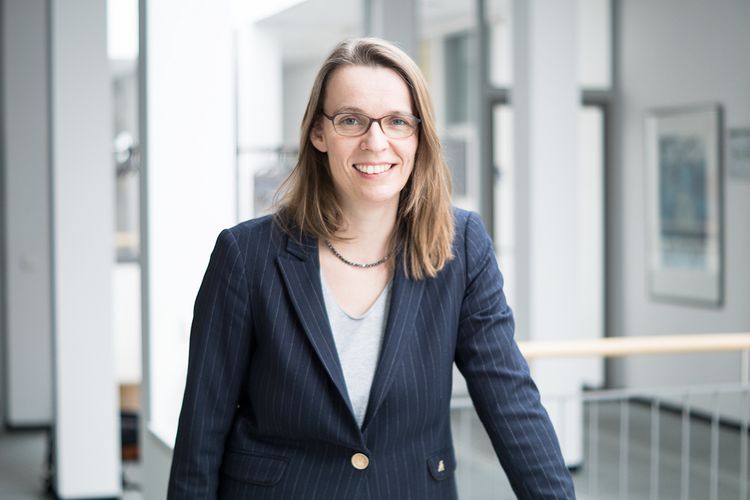


Der Erfolg der Energiewende hängt auch davon ab, wie gut Forschende auf wichtige Daten zugreifen können. Welche Rolle dabei der Aufbau einer Infrastruktur zum Forschungsdatenmanagement spielt, erläutert die Energieinformatikerin Astrid Nieße.
Frau Nieße, Sie sind Sprecherin der „Nationalen Forschungsdateninfrastruktur für interdisziplinäre Energiesystemforschung“, kurz NFDI4Energy. Das klingt ein bisschen sperrig. Was verbirgt sich dahinter?
Wir sind ein Konsortium innerhalb der Nationalen Forschungsdateninfrastruktur, einem Verein, der von Bund und Ländern 2020 gegründet wurde. Die NFDI arbeitet daran, Probleme zu lösen, die sich in allen Disziplinen immer wieder stellen, nämlich: Woher bekomme ich Daten als Input für meine Forschung? Und wohin darf ich meine Ergebnisse – ebenfalls Forschungsdaten – legen, damit jemand anderes sie wiederfinden und weiterverwenden kann? Wie kann ich dafür sorgen, dass die Nutzung der Daten möglichst automatisiert möglich ist? Und schließlich: Wie beziehe ich die relevanten Akteure in Gesellschaft und Wirtschaft möglichst gut ein? Innerhalb der NFDI gibt es insgesamt 27 Konsortien. Das sind Zusammenschlüsse verschiedenster Forschungseinrichtungen, die sich das Ziel gesetzt haben, dieses Problem für ihre jeweilige Disziplin zu lösen. Wir sind mit NfDI4Energy das Konsortium, das Dienste entwickelt, die wir für die Energiesystemforschung brauchen, um die genannten Probleme zu lösen.
Wer gehört zu NFDI4Energy?
Zu den Mitgliedern zählen neben der Uni Oldenburg und dem OFFIS Institut für Informatik beispielsweise die Universität Freiburg, die Universität Erlangen-Nürnberg, die RWTH Aachen, das Karlsruher Institut für Technologie und die Fraunhofer Gesellschaft. Auch das Soziologische Forschungsinstitut Göttingen, das Reiner-Lemoine-Institut und die Technische Informationsbibliothek in Hannover sind beteiligt. Das Konsortium wird über fünf Jahre mit 13 Millionen Euro von der Deutschen Forschungsgemeinschaft gefördert.
Was ist die Aufgabe des Verbunds?
Wir wollen eine Lösung bereitstellen, mit der Forschende in der Lage sind, einfacher auf Daten zuzugreifen – zum Beispiel für Simulationen, Bewertungen von Energieszenarien oder für Projektionen in die Zukunft der Energietransformation. Wir wollen Forschende zudem in die Lage versetzen, ihre Ergebnisse so aufzubereiten, dass sie von allen, die daran ein berechtigtes Interesse haben, verstanden werden können. Die Adressaten des Angebots, das unser Konsortium entwickelt, sind also nicht nur die Forschenden, sondern auch die Öffentlichkeit. Die Energieforschung betrifft uns am Ende immer alle, weil ihre Ergebnisse direkt bis in die Haushalte hineinwirken – sei es in Form von Vorgaben zur energetischen Sanierung von Privatgebäuden oder über die Preisgestaltung auf den Energiemärkten. Um die Belange der Öffentlichkeit von Anfang an zu berücksichtigen und die Ergebnisse gut kommunizieren zu können, haben wir in unserem Konsortium beispielsweise auch die Sozialwissenschaften mit an Bord.
Das Konsortium hat vor etwa einem Jahr mit der Arbeit begonnen. Wie weit sind Sie in dieser Zeit gekommen?
Das erste Jahr war von verschiedenen Aufgaben geprägt: Wir haben am Aufbau unserer Community gearbeitet, die von der Batterieforschung über Netzbetreiber bis hin zu Anbietern von Beratungsdienstleistungen im Energiebereich reichen. Wir haben neben der Forschung also auch Industriepartner als wichtige Impulsgeber und gleichzeitig wichtige Interessenten für die Ergebnisse der Forschung an Bord geholt. Wir wollen sie auf dem Weg kontinuierlich mitnehmen, unsere Dienste also am Bedarf entlang entwickeln. Ein weiteres wichtiges Thema ist der Kompetenzaufbau: Es ist nötig, nicht nur außerhalb, sondern auch innerhalb unseres Konsortiums vertieftes Wissen darüber aufzubauen, was Forschungsdatenmanagement eigentlich bedeutet, was es an technischen Arbeiten beinhaltet. Dafür haben wir Lehrmaterialien zusammengeführt, aufbereitet, teilweise auch selbst erstellt. Außerdem haben wir – auf der Grundlage der sehr guten Vorarbeiten diverser Partner – bereits Prototypen einer Plattform entwickelt, einer Internetseite, über die später ein einfacher Zugriff auf unterschiedliche Datenbanken und Datenquellen möglich ist.
Was für eine Bandbreite umfasst der künftige Datenschatz?
Die Daten selbst reichen von Zeitreihen aus Messungen, beispielsweise von Energieanlagen oder steuerbaren Energieverbrauchsanlagen, über sogenannte Simulationsszenarien und ihre Parametrisierungen bis hin zu Software, die wir ebenfalls als sogenannte digitale Objekte verstehen und die ebenfalls möglichst gut nachgenutzt werden sollen. Wenn wir uns das Beispiel von Simulationsszenarien anschauen, dann können wir diese unter anderem für die Bewertung von neuen Energiemärkten oder aber Energiegemeinschaften immer wieder verwenden. Um das zu ermöglichen, müssen wir diese digitalen Objekte geeignet aufbereiten.
Warum ist es für uns alle wichtig, dass diese Daten gesammelt und aufbereitet werden?
Zum einen, damit Gelder, die in die Forschung gehen, möglichst zielgerichtet verwendet werden. Am Ende ist es auch ein nachhaltiger Umgang mit Steuergeldern, Forschungsergebnisse so aufzubereiten, dass sie nachnutzbar sind, also langfristig genutzt werden können. Es geht zum anderen aber auch um Nachvollziehbarkeit, und damit um einen wichtigen Bereich der wissenschaftlichen Güte von Ergebnissen. Wir tun uns heute noch extrem schwer damit, Arbeiten von anderen Forschenden wirklich im Detail nachzuvollziehen und zu prüfen. Vergleichbarkeit ist aber ein wichtiger Faktor, um bessere Ergebnisse zu erzielen. Auch Geschwindigkeit ist an der Stelle ein Thema – schließlich wollen wir die Energietransformation in relativ kurzer Zeit schaffen.
Haben Sie ein Beispiel dafür, wie NFDI4Energy die Forschung voranbringen kann?
Da können wir uns noch einmal das Thema Energieszenarien anschauen. Sehr viele Arbeitsgruppen befassen sich auf unterschiedlichen Ebenen mit der Fragestellung: Welche Schritte müssen wir ausgestalten, um uns zu 100 Prozent aus erneuerbaren Energien versorgen zu können? Es gibt viele Pfade dahin, das reicht von unterschiedlichen Technikentscheidungen bei Photovoltaikmodulen bis hin zu verschiedenen Steuerungsverfahren für die Stabilisierung des Energiesystems. Letztlich müssten aber alle, die an dieser Frage arbeiten, die gleichen Annahmen verwenden, etwa dazu, was es im Detail genau bedeutet, dass der Anteil der erneuerbaren Energien einen bestimmten Prozentsatz erreicht hat, oder was sich hinter dem Konzept einer Nutzung von Flexibilität in Energiesystemen konkret verbirgt. Bisher werden viele Szenarien nur selten von anderen Forschungsgruppen wiederverwendet. Das schränkt die Vergleichbarkeit der Arbeiten und Ansätze extrem ein. Die Szenarien aber, die frei verfügbar sind, werden immer wieder genutzt.
Welche Hindernisse hemmen die Forschung außerdem?
Wichtig für viele Forschungsfragen zu Energienetzen sind etwa fein aufgelöste Zeitreihen über den Strombedarf, der für die Stabilisierung von Stromnetzen nötig ist. Doch diese Zeitreihen sind häufig nicht verfügbar oder frei verwendbar, auch für studentische Abschlussarbeiten nicht. Wir wollen entweder geeignete Ersatzdaten aufbereiten und zur Verfügung stellen oder aber zumindest darauf hinweisen, wo man solche Daten – eventuell gegen entsprechende Lizenzgebühren – bekommen kann. Es geht also nicht nur um die Veröffentlichung von Daten, sondern häufig erst mal nur um Auffindbarkeit, die sogenannte findability.
Welche Schwierigkeiten gibt es noch?
Es bedeutet einen großen Aufwand, Daten so aufzubereiten, dass jemand anders sie finden kann. Man muss den Daten ihre Bedeutung mitgeben, weiterhin die Information, in welchem Zusammenhang sie entstanden sind und in welchem Zusammenhang man sie einsetzen darf. Diese sogenannten Metadaten sind nötig, um die zugrundeliegenden Daten automatisiert verarbeiten zu können und etwa in größeren Simulationen einzusetzen. Hier arbeiten wir an automatisierten Lösungen, um diese Metadaten weitestgehend automatisiert initial zu erzeugen.
In der kommenden Woche veranstalten Sie die 1st NFDI4Energy Conference – ein großes Treffen der gesamten Community rund um Ihr Konsortium. Was erhoffen Sie sich davon?
Wir haben ein breites Interesse erreicht, die Konferenz ist mit 120 Teilnehmenden ausgebucht. Wir erhoffen uns daher einen guten Austausch, nicht nur innerhalb der Energieforschung, sondern auch mit Vertretern anderer NFDI-Konsortien, die ebenfalls vor Ort sind. Einige dieser Konsortien werden schon länger gefördert. Von deren Ansätzen und technischen Lösungen können wir natürlich profitieren. Hier freuen wir uns also ganz besonders auf das Treffen und gute neue Diskussionen.
Interview: Ute Kehse