


Mit zunehmendem Alter werden alle Menschen irgendwann schwerhörig. Von Vögeln jedoch ist bekannt, dass die Zellen im Innenohr sich gut regenerieren können. Oldenburger Forscher haben nun gezeigt, dass Schleiereulen auch im Alter noch gut hören können.
Im Alter von etwa 65 Jahren haben bereits fünf von zehn Menschen so viel an Hörempfindlichkeit eingebüßt, dass Sprachverständlichkeit und Musikgenuss beeinträchtigt sein können. Denn die Haarsinneszellen und Nervenverbindungen im Innenohr gehen unwiederbringlich verloren. Solche altersbedingte Schwerhörigkeit ist auch von anderen Säugetieren bekannt. Vögel hingegen haben im Laufe der Evolution die Fähigkeit bewahrt, neue Haarsinneszellen im Innenohr zu bilden oder nach einer Schädigung verloren gegangene Haarsinneszellen zu ersetzen.
Um Schwerhörigkeit beim Menschen in unserer alternden Gesellschaft künftig besser behandeln zu können, wollen Wissenschaftler verstehen, welche Regenerationsmechanismen Vögel besitzen. Doch bisher ist kaum untersucht worden, ob diese Art der Regeneration bei Tieren mit fortschreitendem Alter erhalten bleibt und Vögel deswegen weiterhin gut hören können, also quasi „ewig junge Ohren" haben. Ein Team um die Zoologin Dr. Ulrike Langemann von der Universität Oldenburg zeigt nun, dass Schleiereulen mit zunehmendem Alter nicht schwerhörig werden. Ihre Ergebnisse haben die Forscher im Fachmagazin „Proceedings of the Royal Society B“ veröffentlicht.
Für einen Singvogel, den einheimischen Star, konnte das Team um Prof. Dr. Georg Klump und Dr. Ulrike Langemann vom Department für Neurowissenschaften schon vor einiger Zeit zeigen, dass dieser nicht altersschwerhörig wird. Nun konnten sie diesen Befund mit einer von der Deutschen Forschungsgemeinschaft geförderten Studie erhärten: Die Wissenschaftler trainierten dafür Schleiereulen unterschiedlichen Alters mit Hilfe von Futterbelohnungen und verglichen ihre Hörfähigkeit. Sie fanden heraus: Die Hörempfindlichkeit von sehr alten und von jungen Vögeln unterscheidet sich nicht. „Die Fähigkeit zur lebenslangen Regeneration von funktionellen Haarsinneszellen ist wohl eine generelle, robuste Eigenschaft von Vögeln“, schlussfolgert Klump.
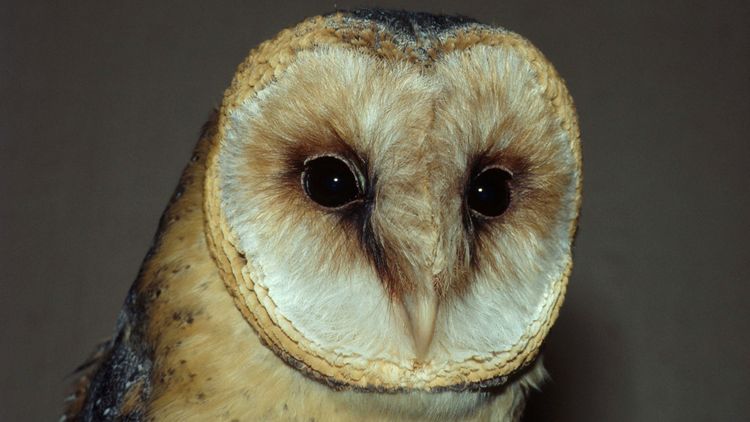
Schleiereulen haben aufgrund ihres namensgebenden Gesichtsschleiers eine extrem gute Hörempfindlichkeit. Zudem können sie Schallquellen genauer als jedes andere Tier orten. Beides hilft Schleiereulen, ihre Beute – überwiegend Mäuse – zu lokalisieren und zu fangen. Die Haarsinneszellen im Innenohr sind bei diesen Vögeln besonders spezialisiert. Der Star der Oldenburger Studie ist die alte Eule „Weiss“, die die Wissenschaftler seit 24 Jahren begleitet. „Inzwischen ist sie sehr behäbig“ sagt die Forscherin Bianca Krumm, die täglich mit dem Tier umgeht, „aber sie hört noch ausgezeichnet“.