


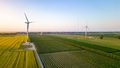
Wie sich mehrere nah zusammenstehende Windenergieanlagen gegenseitig beeinflussen, untersuchen Forschende der Universität im neu eröffneten Forschungswindpark WiValdi an der Elbe. Drei Messmasten spielen dabei eine wichtige Rolle.
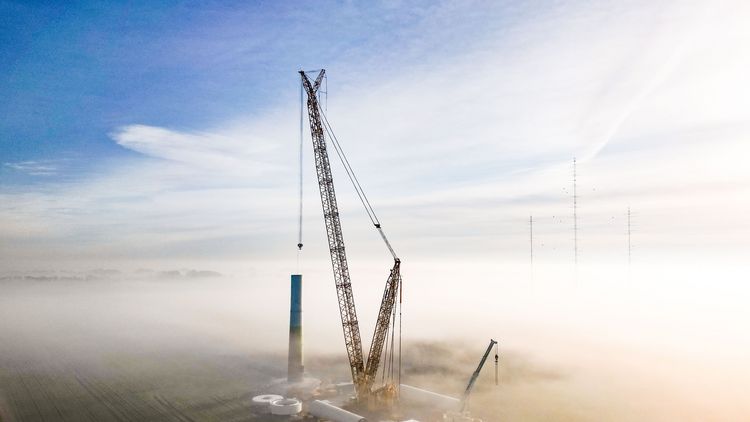
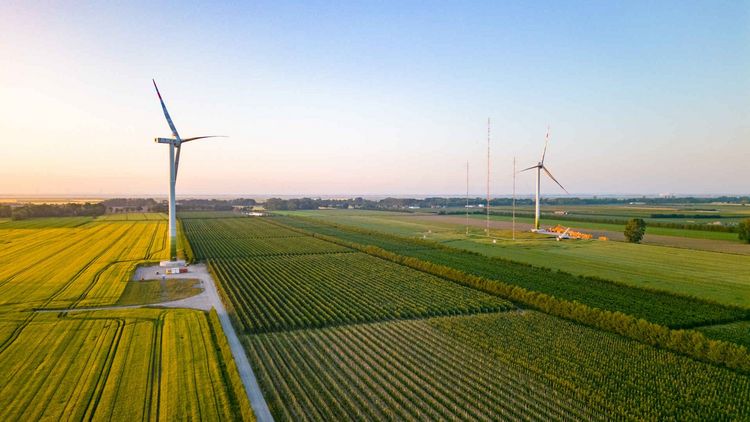
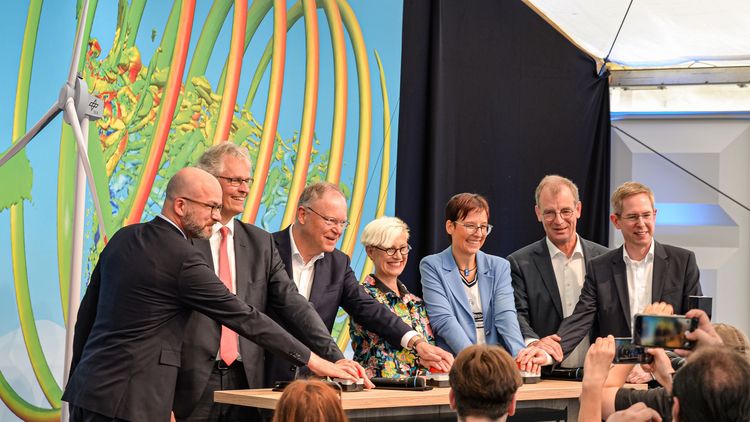
In Krummendeich nahe der Elbmündung in die Nordsee ist heute eine weltweit einzigartige Großforschungsanlage eröffnet worden, an der die Universität Oldenburg über das Zentrum für Windenergieforschung (ForWind) beteiligt ist. Der Forschungswindpark WiValdi (kurz für „Wind Validation“), betrieben vom Deutschen Zentrum für Luft- und Raumfahrt (DLR), besteht aus zwei mit Sensoren und Messgeräten gespickten, hochmodernen Windenergieanlagen, einer weiteren Versuchsanlage und fünf meteorologischen Messmasten.
„In den letzten 20 Jahren hat ForWind in sehr vielen Windenergieforschungsprojekten mitgewirkt und an zahlreichen Messkampagnen an Land und auf See teilgenommen. Dieser Erfahrungsschatz ist in die Ausgestaltung und inhaltliche Planung des Forschungsparks Windenergie in Krummendeich eingeflossen und bildet so die Basis für die zukünftige Forschung von ForWind“, erklärt der Turbulenzexperte Prof. Dr. Joachim Peinke von der Universität Oldenburg, wissenschaftlicher Sprecher von ForWind, das eine gemeinsame Forschungseinrichtung der Universitäten Oldenburg, Bremen und Hannover ist.
„Baustein für eine erfolgreiche Energiewende”
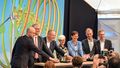
Niedersachsens Ministerpräsident Stephan Weil wünschte dem neuen Windpark bei der Eröffnung viel Erfolg: „Niedersachsen ist Windenergieland Nummer eins. Der Forschungspark WiValdi, an dem sich das Land Niedersachsen mit 16,4 Millionen Euro beteiligt, zeigt dies einmal mehr. Mit WiValdi als Leuchtturmvorhaben für die Energieforschung setzen wir einen weiteren wichtigen Baustein für eine erfolgreiche Energiewende um. WiValdi ist ein hervorragendes Beispiel dafür, wie wir die Chancen der erneuerbaren Energien nutzen können, um mit Innovationen unsere Umwelt zu schützen, unsere Wirtschaft voranzubringen und Arbeitsplätze zu schaffen. Ich danke allen Beteiligten – allen voran dem DLR und seinen Partnern ForWind und Fraunhofer IWES aus dem Forschungsverbund Windenergie – für ihr zukunftsweisendes Engagement.“
Herzstück des weltweit einmaligen Testfelds sind zwei konventionelle Windenergieanlagen der Multi-Megawattklasse, deren Rotorblätter bis in 150 Meter Höhe reichen. Eine der Anlagen steht dabei im Windschatten der anderen. Eine der wichtigsten Forschungsfragen: Wie wirken sich Verwirbelungen der vorderen Anlage auf das hintere Windrad aus? Um das herauszufinden, befindet sich zwischen ihnen ein von ForWind geplantes sogenanntes Messmasten-Array. Diese Anordnung ist von zukunftsweisender Bedeutung, denn bei den aktuell geplanten hohen Ausbauzahlen von neuen Windenergieanlagen und ‑parks werden die Anlagen unvermeidlich näher zusammenstehen.
Die eigens für WiValdi an der Universität Oldenburg entwickelte Anordnung der Sensoren ermöglichen es erstmals, die turbulenten Windverhältnisse zwischen Anlagen zeitlich und räumlich hochaufgelöst zu messen. Die Messgeräte sind auf unregelmäßig verteilten, teils mehrere Meter langen Auslegern seitlich der Masten installiert. Sie sind so angeordnet, dass sie etwa Windgeschwindigkeit, Temperatur oder Luftfeuchtigkeit auf einer senkrechten Fläche zwischen den beiden Windrädern detailliert erfassen. Ein weiterer Messmast vor dem vorderen Windrad erfasst das einströmende Windfeld. Auch die Türme und Rotorblätter der Anlagen sind mit Messsystemen bestückt, die von ForWind-Mitgliedern an den Universitäten Bremen und Hannover geplant und entwickelt wurden.
Turbulenzen mit unerreichter Präzision vermessen
„Durch die spezielle Konfiguration der Ausleger und der Messinstrumente auf den drei Masten können wir die durch die vordere Windkraftanlage erzeugten Turbulenzen mit bisher unerreichter Präzision erfassen“, erläutert Peinke. Erstmals sei es im Originalmaßstab möglich, die Verwirbelungen auf unterschiedlichen Skalen zu erfassen. Anhand der ermittelten Daten wollen die Forschenden beispielsweise ermitteln, wie sich Anlagen in Windparks optimal positionieren lassen, um eine möglichst hohe und für das Stromnetz bedarfsgerechte Effizienz zu erzielen.
Die Daten aus dem „Freifeld“ bilden die Grundlage, um beispielsweise digitale Modelle sowohl von Windparks als auch von einzelnen Anlagen zu erstellen. „Im Betrieb von Windparks gibt es noch viel Potenzial für Optimierungen, zumal die Anlagen immer größer und die Windparks komplexer werden“, betont Peinke. Zusammen mit den Betriebsdaten der Anlagen werden die Erkenntnisse aus dem Forschungswindpark dabei helfen, die komplexe Gesamtdynamik der Windenergieanlage besser zu verstehen und modellieren und simulieren zu können. Dazu gehören unter anderem Dämpfungsmodelle, Schadensfrüherkennung, Eisdetektion an den Blättern sowie Materialermüdungsmodelle.
Nach rund zwei Jahren Bauzeit läuft aktuell die Inbetriebnahme auf Hochtouren. Im Probebetrieb hat WiValdi bereits Strom ins Netz gespeist. Forschungsprojekte sind gestartet und erste Daten wurden gesammelt.
Gefördert wird der Forschungspark Windenergie vom Bundesministerium für Wirtschaft und Klimaschutz (BMWK) sowie vom Niedersächsischen Ministerium für Wissenschaft und Kultur. Der Forschungspark Windenergie wurde vom DLR gemeinsam mit den Partnern des Forschungsverbunds Windenergie (FVWE) entwickelt und errichtet. Der FVWE bündelt das Know-how von rund 600 Forschenden, um Impulse für die Energieversorgung der Zukunft zu geben. Er besteht aus drei Beteiligten: dem DLR, ForWind und dem Fraunhofer-Institut für Windenergiesysteme (IWES). WiValdi steht auch der breiten Forschungs-Community in Wissenschaft und Wirtschaft für gemeinsame Vorhaben zur Verfügung.