
Gehörlosigkeit zählt bei Neugeborenen zu den häufigsten angeborenen Erkrankungen der Sinnesorgane. Bei gut zwei Dritteln der Betroffenen können Cochlea-Implantate den Hörverlust kompensieren. Doch einem Drittel helfen die Hörprothesen nicht. Oldenburger Wissenschaftler sind diesem Phänomen auf der Spur. Hören findet nicht nur im Ohr statt – die akustische Information, die das Ohr aufnimmt, muss an das Gehirn weitergeleitet und im zentralnervösen Teil des auditorischen Systems, der Hörbahn, verarbeitet werden, bevor es dort zur Wahrnehmung kommt. Wissenschaftlern um die Neurogenetiker Dr. Tina Schlüter und Prof. Dr. Hans Gerd Nothwang von der Universität Oldenburg ist es gelungen, die Hypothese zu untermauern, dass die gleichen Gene für die Entwicklung und Funktion des Ohrs wie auch für die Entwicklung der Hörbahn eine wichtige Rolle spielen. Ihre tierexperimentiellen Ergebnisse haben die Forscher in der aktuellen Ausgabe des Fachmagazins Human Molecular Genetics veröffentlicht. Der Fokus der Arbeit lag dabei auf einer neuen Klasse von Biomolekülen, den sogenannten microRNAs. „MicroRNAs sind wichtig, um die Übersetzung von genetischer Information in lebenswichtige Proteine zu regulieren. So beeinflussen sie, wie sich ein Organismus entwickelt“, sagt Schlüter. Für das Hören ist dabei die microRNA-96 von großer Bedeutung. Einzelne Veränderungen, sogenannte Punktmutationen, in dieser microRNA führen zu vererbbarem Hörverlust im Innenohr von Mensch und Maus. Während ihrer Promotion im Rahmen des Graduiertenkollegs „Molekulare Basis sensorischer Biologie“ untersuchte Schlüter mit Kollegen aus Hannover, München, London und Tel Aviv gezielt die Hörbahn in Mäusen mit einer solchen Mutation in microRNA-96. Dabei fanden die Forscher zahlreiche Veränderungen in der Struktur und Funktion von Nervenzellen im Gehirn der Mäuse. Die Zellen waren kleiner und arbeiteten anders als sonst – sie hatten sich insgesamt nicht so gut entwickelt. Diese Veränderungen konnten bei tauben Mäusen, die keine solche Mutation aufwiesen, nicht beobachtet werden. „Ich bin überzeugt, dass auch weitere Taubheitsgene mit Veränderungen sowohl im Ohr als auch in der Hörbahn verbunden sind, denn bisher sind nur wenige Taubheitsgene in der Hörbahn gezielt analysiert worden“, sagt Schlüter. Mit dieser Arbeit konnten sie zudem erstmalig zeigen, dass microRNAs eine wichtige Rolle bei der korrekten Entwicklung der Hörbahn spielen. Nothwang, einer der führenden Wissenschaftler im Exzellenzcluster „Hearing4all“, analysiert mit seiner Arbeitsgruppe Neurogenetik bereits seit mehreren Jahren Taubheitsgene in Mäusen. Durch diese biomedizinische Grundlagenforschung werden wichtige Ergebnisse für die Behandlung von Hörverlusten beim Menschen gewonnen. „Damit leisten wir einen wichtigen Beitrag, um zukünftig bessere Rehabilitationsmaßnahmen ergreifen zu können“, so Nothwang, der zudem Dekan der Fakultät VI Medizin und Gesundheitswissenschaften ist.
-

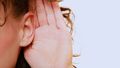
Oldenburger Forscher sind angeborener Gehörlosigkeit weiter auf der Spur. Foto: iStockphoto.com/Voyagerix
Hören findet nicht nur im Ohr statt



Topics
- Astronomy
- Biology
- Botanical garden
- Chemistry
- Computing Science
- Cooperations
- Covid
- Culture
- Dutch Studies
- Early Career
- Economics
- Educational Sciences
- Energy
- Energy Research
- Environmental Sciences
- Equal opportunities
- German Studies
- Graduate academy
- Health Services Research
- Higher Education Policy
- History
- Human Medicine
- International affairs
- Marine Sciences
- Material Culture
- Medical ethics
- Medical Physics and Acoustics
- Music
- Neuroscience
- People
- Philosophy
- Physics
- Presidential Board
- Psychology
- Research
- Slavic Studies
- Social Sciences
- Special Needs Education
- Sport Science
- Study Affairs
- Sustainability
- Teacher Education
- Theology
- Transfer
- University Medicine
- Ukraine
- Wind Physics