


Bundeskanzlerin Angela Merkel hat es getauft: Das Tiefseeforschungsschiff „Sonne“. Dessen Heimatinstitut ist das Institut für Chemie und Biologie des Meeres (ICBM) der Universität Oldenburg. Der Meeresforscher Prof. Dr. Oliver Zielinski über das Schiff, die Forschungsarbeit an Bord – und Seekrankheit.
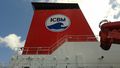
FRAGE: Das ICBM ist Heimatinstitut der „Sonne“, das Institutslogo prangt unübersehbar am Schornstein. Was bedeutet das für ICBM und Universität?
ZIELINSKI: Das bedeutet vor allem eine weltweite Sichtbarkeit. Die „Sonne" ist unser Botschafter – und Botschafter der gesamten Deutschen Meeresforschung. Sie wird von vielen internationalen Forschergruppen genutzt werden, zahlreiche Häfen anlaufen und immer wieder auch für die Öffentlichkeit zugänglich sein.
Als Heimatinstitut fühlen wir uns natürlich auch für die Qualität der wissenschaftlichen Daten verantwortlich, die an Bord fest installierte Sensoren permanent liefern. Diese Daten wollen wir auch sichtbar machen: So soll man sich über die Webpräsenz der Universität Oldenburg beispielsweise jederzeit informieren können, wo sich die „Sonne“ gerade befindet und welche Bedingungen dort herrschen.
FRAGE: Welchen Themen werden sich die Wissenschaftler des ICBM auf der „Sonne“ widmen?
ZIELINSKI: Wir forschen an verschiedenen Fragestellungen mit globaler Relevanz, und durch die „Sonne" wird uns dies nun auch im Pazifischen und Indischen Ozean verstärkt möglich sein. Die Kollegen des Sonderforschungsbereichs „Roseobacter“ planen eine Expedition in den südlichen Pazifik, um die Rolle dieser vielseitigen und weltweit vorkommenden Bakterien im globalen Stoffkreislauf der Meere zu untersuchen. Andere beschäftigen sich mit dem Einfluss der Seeoberfläche auf den Stoffaustausch zwischen Atmosphäre und Ozean. Aber auch die Untersuchung von Korallenriffen und Schwämmen im Vergleich von tropischen und gemäßigten Ökosystemen gehört zu den Forschungsgebieten des ICBM – um nur eine Auswahl an Themen zu nennen.
FRAGE: Wie kann man sich den Ablauf einer solchen Expedition vorstellen?
ZIELINSKI: Erst einmal beginnt eine Expedition mit der Antragstellung auf Schiffszeit circa eineinhalb bis zweieinhalb Jahre vor der eigentlichen Ausfahrt. Auch die Logistik und das Einholen notwendiger Forschungsgenehmigungen benötigt einiges an Zeit. Wenn es losgeht, fliegen die Wissenschaftler zum jeweiligen Liegeplatz. Große Forschungsschiffe wie die „Sonne“ werden in Fahrtabschnitten an verschiedene wissenschaftliche Gruppen gegeben. Konkret heißt das, für einen Zeitraum von typischerweise drei bis sechs Wochen steht das Schiff für eine Kampagne zur Verfügung. Die „Sonne“ hat 40 Plätze für Wissenschaftlerinnen und Wissenschaftler, davon 24 als Einzelkabinen. Alle Kabinen haben eine Nasszelle und sind auch sonst sehr gut eingerichtet - auch wenn man als Wissenschaftler an Bord seine Zeit mehr im Labor oder auf Deck verbringt. Um eine derart herausragende und auch teure Forschungsinfrastruktur optimal zu nutzen, wird Tag und Nacht in Schichten gearbeitet. Schlafen kommt da oft zu kurz.
FRAGE: Mitte November wird das Schiff in seinem Heimathafen Wilhelmshaven der Wissenschaft offiziell übergeben. Was steht bis dahin auf dem Programm?
ZIELINSKI: Mit der Übergabe an die Wissenschaft beginnt auch die Überführung in den Pazifik und die Umsetzung teils sehr herausfordernder Missionen. Um sicher zu sein, dass das Schiff und die an Bord befindlichen Systeme diesen Aufgaben gewachsen sind, gibt es zuvor noch eine Phase der wissenschaftlich-technischen Erprobung mit mehreren Fahrtabschnitten. Auch Wissenschaftler des ICBM sind in den nächsten Monaten daran beteiligt, die Winden, Probenahmesysteme, Labore und Durchflussmesssysteme an Bord unter realen Bedingungen zu testen. Einer dieser Abschnitte – die Rückführung von Lissabon nach Bremerhaven Anfang Oktober – wird unter Leitung des ICBM stehen.
FRAGE: Welche anderen deutschen Meeresforschungseinrichtungen werden die „Sonne“ nutzen?
ZIELINSKI: Dieses Schiff ist – wie auch die anderen großen und mittelgroßen Forschungsschiffe der Bundesrepublik Deutschland – für die gesamte deutsche Meeresforschung verfügbar. Voraussetzung ist natürlich, dass der Nutzungsantrag erfolgreich begutachtet wird. Ich denke aber, dass die besonderen Eigenschaften des Schiffes insbesondere von den Tiefseegruppen des MARUM (Bremen), des GEOMAR (Kiel) und von der Bundesanstalt für Geowissenschaften und Rohstoffe (BGR, Hannover) geschätzt werden.
FRAGE: Wird die gemeinsame Nutzung des Schiffes die Institute näher zusammenrücken lassen?
ZIELINSKI: Ja, ganz bestimmt. Komplexe wissenschaftliche Fragestellungen lassen sich nicht im Alleingang beantworten. Das geht nur, wenn verschiedene Disziplinen aus verschiedenen Instituten an einem Strang ziehen. Die gemeinsame Arbeit an Bord schweißt zusammen. Sie hilft Netzwerke zu knüpfen, die der gesamten deutschen Meeresforschung – auch im internationalen Vergleich – zuträglich sind. Wir als ICBM der Universität Oldenburg kooperieren schon heute sehr eng mit den anderen Meeresforschungseinrichtungen. Ich erwarte, dass dies mit der „Sonne“ noch stärker wird, teils beobachte ich das schon heute.
FRAGE: Auch Meeresforscher sind – leider – nicht automatisch seefest. Haben Sie einen Geheimtipp gegen Seekrankheit?
ZIELINSKI: Hätte ich dafür die perfekte Lösung, bräuchte ich mir um die Finanzierung meiner Forschung wohl keine Sorgen mehr zu machen (lacht). Ich versuche, die ersten ein bis zwei Tage auf mich zu achten, nicht übermüdet oder anderweitig gestresst in die Fahrt hineinzugehen und viel frische Luft zu schnappen. Danach bin ich „eingeschaukelt“ und kann jede Welle genießen. Aber da ist jeder anders...
-

Wurde am vergangenen Freitag von Bundeskanzlerin Angela Merkel getauft: das Tiefseeforschungsschiff "Sonne".
-
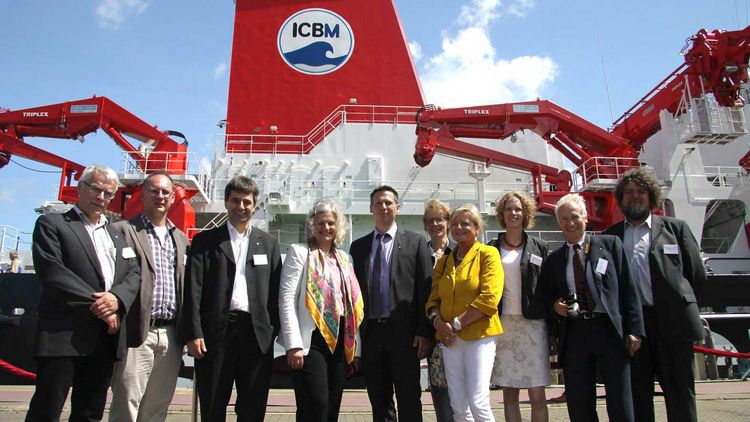
Universitätspräsidentin Prof. Dr. Katharina Al-Shamery (4.v.l.) und Vizepräsidentin Prof. Dr. Gunilla Budde (4.v.r.) mit Prof. Dr. Oliver Zielinski (5.v.l.) und weiteren Vertretern des ICBM.
-

Bundeskanzlerin Angela Merkel bei der Schiffstaufe in Rostock-Warnemünde.
-
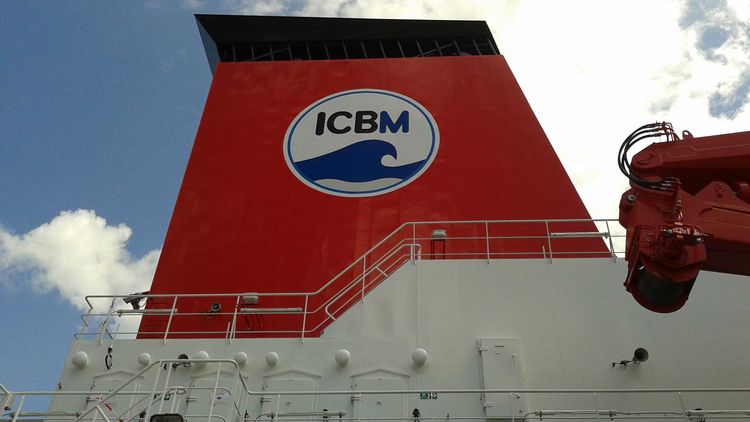
Das ICBM der Universität Oldenburg ist das Heimatinstitut des Forschungsschiffs "Sonne".
-
Die "Sonne" steht der gesamten deutschen Meeresforschung zur Verfügung.
Mit der „Sonne“ in die Tiefsee



Topics
- Astronomy
- Biology
- Botanical garden
- Chemistry
- Computing Science
- Cooperations
- Covid
- Culture
- Dutch Studies
- Early Career
- Economics
- Educational Sciences
- Energy
- Energy Research
- Environmental Sciences
- Equal opportunities
- German Studies
- Graduate academy
- Health Services Research
- Higher Education Policy
- History
- Human Medicine
- International affairs
- Marine Sciences
- Material Culture
- Medical ethics
- Medical Physics and Acoustics
- Music
- Neuroscience
- People
- Philosophy
- Physics
- Presidential Board
- Psychology
- Research
- Slavic Studies
- Social Sciences
- Special Needs Education
- Sport Science
- Study Affairs
- Sustainability
- Teacher Education
- Theology
- Transfer
- University Medicine
- Ukraine
- Wind Physics