

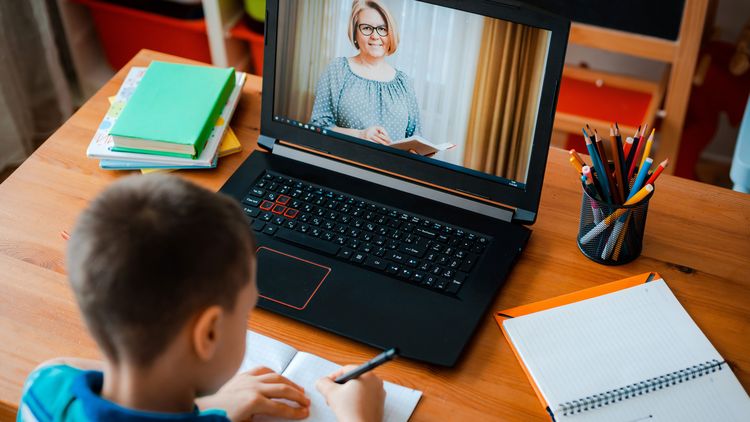

Wie funktioniert Unterricht digital? Diese Frage ist wegen der Schulschließungen so aktuell wie nie zuvor. Im Gespräch erläutert die Informatikdidaktikerin Ira Diethelm, welche Herausforderungen und Chancen die jetzige Situation mit sich bringt.
Frau Prof. Diethelm, die Schulen sind geschlossen, viele Eltern haben bis zu den Osterferien ihre Kinder zu Hause unterrichtet. Die Lehrkräfte können, wenn überhaupt, nur auf digitalem Wege mit ihren Schülern in Kontakt treten. Sind die Schulen hierzulande für diese Situation überhaupt gerüstet?
Leider ist es so, dass sowohl Schulen als auch Lehrkräfte auf der digitalen Seite des Unterrichtens ganz unterschiedlich aufgestellt sind. Auch die Kinder haben nicht alle im gleichen Maße Zugang zu digitalen Geräten und die Einstellungen der Eltern, ob und wie man diese Geräte nutzen sollte, unterscheiden sich stark. Das ist ein Problem. Denn das, was Schule eigentlich tun soll, nämlich einen ausgleichenden Effekt zu haben, ist im Moment nicht erfüllt. Auf dieser Basis kann der Auftrag, allen Kindern und Jugendlichen gleichermaßen Teilhabe an Bildung zu ermöglichen, nicht stattfinden. Man baut die Unterschiede eher aus. Das Recht auf Bildung ist durch die aktuelle Situation eingeschränkt. Das darf aber nur eine gewisse Zeit so sein.
Die Lage ist natürlich sehr besonders…
Ja, aber Bund, Länder, Kommunen und Schulen haben das Thema Digitalisierung in den letzten 30 Jahren verschlafen. Bereits 1987 gab es eine Bund-Länder-Kommission, die Empfehlungen ausgearbeitet hat, welche informationstechnische Grundbildung alle Kinder und Jugendlichen haben sollten. Dazu gehörte damals auch schon, wie Telemedien für die Bildung eingesetzt werden könnten. Doch danach ist zu wenig passiert. So wurden diese Inhalte in verschiedenste Fächer „weg-integriert“ und die Lehrkräftebildung dazu vergessen. Zwar gibt es schon länger Empfehlungen und Initiativen, das zu ändern, wie zuletzt 2016 die Strategie der Kultusministerkonferenz zur Bildung in der digitalen Welt und die Schulclouds der jeweiligen Bundesländer. So soll die Niedersächsische Bildungscloud ab Mai allen Schulen zur Verfügung gestellt werden. Doch was jetzt angekündigt wurde, ist meiner Meinung nach nicht ausgereift, vor allem weil Inhalte fehlen und die Kinder, Jugendlichen und auch Lehrkräfte nicht die Kompetenzen zur Nutzung und Beurteilung dieser Inhalte besitzen. Wenn ich mir einen Dampfgarer kaufe, kann ich auch nicht automatisch toll kochen…
Welche Schwierigkeiten sehen Sie?
Lehrkräfte haben beispielsweise keine digitalen Dienstgeräte, über die sie unterrichten könnten. Solche Geräte sind immer noch das Privatvergnügen der Lehrkräfte. Es gibt auch keine digitale Kultur, auf die man sich verlassen könnte. Zwar gibt es herausragende Beispiele von Lehrkräften, die den Unterricht im Netz vorbildlich gestalten, wie etwa Bob Blume, Nina Toller oder Maria Kruse. Sie nutzen niedrigschwellige Systeme wie Jitsi – ein Open-Source-Werkzeug für Videokonferenzen, das datenschutzkonform ist. Die Lehrkräfte bleiben beispielsweise über diese Plattform mit ihren Schülern in Kontakt, geben Aufgaben und versuchen auf sie einzugehen und Feedback zu geben. Oder sie reden auch einfach nur. Denn das soziale Miteinander ist wichtig. Doch es wäre schön, wenn noch viel mehr Lehrkräfte diesen Weg einschlagen würden.
Für die Schülerinnen und Schüler ist es ja ähnlich wie für die Lehrkräfte – viele haben möglicherweise gar kein Notebook oder Tablet, mit dem sie an einem digitalen Unterricht teilnehmen könnten.
Es heißt zwar oft, dass fast alle Kinder ein Smartphone oder Notebook haben. Aber wenn man rumfragte, dann würde man wahrscheinlich feststellen: Das stimmt gar nicht unbedingt. Vielleicht gibt es nur ein Gerät pro Haushalt, das mehrere Familienmitglieder nutzen. Unabhängig von den digitalen Medien sind die Familien natürlich auch sonst sehr unterschiedlich ausgestattet. Viele Kinder und Jugendliche haben kein eigenes Zimmer, in das sie sich zurückziehen können. Größere Geschwister müssen beispielsweise auf kleinere aufpassen, wenn die Eltern bei der Arbeit sind. Man darf nicht vergessen: Schule ist der Raum des Ausgleichs und ein Schutzraum.
Welche Chancen sehen Sie denn in der derzeitigen Situation für die Schulen?
Der Vorteil ist, dass die Lehrkräfte jetzt Zeit und einen Grund haben, sich mit diesen Fragen zu befassen und beispielsweise in Ruhe Systeme für das Lernmanagement auszuprobieren. Die Schulen sind ja angehalten, Konzepte zu entwickeln, um an das Geld vom Digitalpakt zu kommen. Viele weiterführende Schulen und teilweise auch Grundschulen haben längst Server für eine Kommunikation untereinander wie etwa iServ. Aber eine Situation zu haben, dass alle dieses System auch benutzen müssen, das ist die große Chance. Alle, die sich erstmals damit auseinandersetzten, können feststellen: Das ist gar nicht so schlimm. Man ist gezwungen, aus der Komfortzone herauszukommen. Selbst Regierungschefs stellen jetzt fest, dass sie auch über Videokonferenzen wichtige Beschlüsse auf den Weg bringen können.
Offenbar zeigt die Situation einmal mehr, wie wichtig digitale Bildung nicht nur für die Schülerinnen und Schüler, sondern auch für die Lehrkräfte selbst ist.
Ja, daher sollte dies unbedingt Teil der didaktischen Ausbildung werden. In unserem Projekt DiOLL (Digitalisierung in der Oldenburger Lehrkräftebildung) wollen wir beispielsweise Angebote erarbeiten und in die Lehre einbinden, so dass künftige Lehrkräfte die entsprechenden didaktischen Methoden kennenlernen. Und sie sollen auch Hintergrundwissen über die Technik erwerben, damit sie diese selbstbewusst handhaben können. Online zu kommunizieren, das sollten alle mal gemacht haben – die Lehrkräfte, aber auch die Schülerinnen und Schüler. Und die Lehrkräfte müssen dazu etwa grob wissen, wie das Internet funktioniert.
Welche Tipps haben Sie denn für Eltern und Kinder für das Lernen zu Hause?
Unter dem Hashtag #twitterlehrerzimmer tauschen sich viele Lehrer auf Twitter aus, aber auch Eltern erhalten hier Anregungen. Ansonsten finde ich es wichtig, dass man einfach mal rausgeht und die Natur ansieht. Man könnte gerade jetzt im Frühling schauen, was so wächst und blüht und mit einer App oder einem Buch Blumen bestimmen. Mein Sohn und ich haben Kräuter und Erbsen ausgesät. Jeden Tag machen wir Fotos von den keimenden Pflanzen und wollen daraus anschließend mit einer App einen Stop-Motion-Film erstellen. Was viele Kinder auch gerne nutzen, ist die kostenlose Anton-App, die mit einem Belohnungssystem arbeitet. Sie bietet Kindern der Klassenstufen 1 bis 10 Übungen für viele verschiedene Fächer an. Man könnte jetzt auch Programmieren lernen – da findet man im Netz viele Einstiegsmöglichkeiten. Oder einfach mal „Die Sendung mit der Maus“ gucken. Zum Beispiel den Film „Wie funktioniert das Internet?“ – der ist zwar schon älter, aber immer noch aktuell.
Interview: Constanze Böttcher