


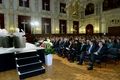

Für einen Moment sieht es so aus, als würde Prof. Dr. Frank Kirchner sein Hemd öffnen und eine Klappe an seinem Bauch öffnen. „Ich nehme jetzt die Batterien heraus“, sagt er schmunzelnd. Der Experte des Deutschen Forschungszentrums für Künstliche Intelligenz (DFKI) – in Wirklichkeit ein humanoider, also menschengleicher Roboter? Natürlich nur ein Scherz, der das Publikum im Oldenburger Schlosssaal dennoch ins Grübeln bringt: Was wäre, wenn wirklich menschengleiche Robotern unter uns leben würden? Ist das überhaupt möglich und wenn ja, wollen wir das?
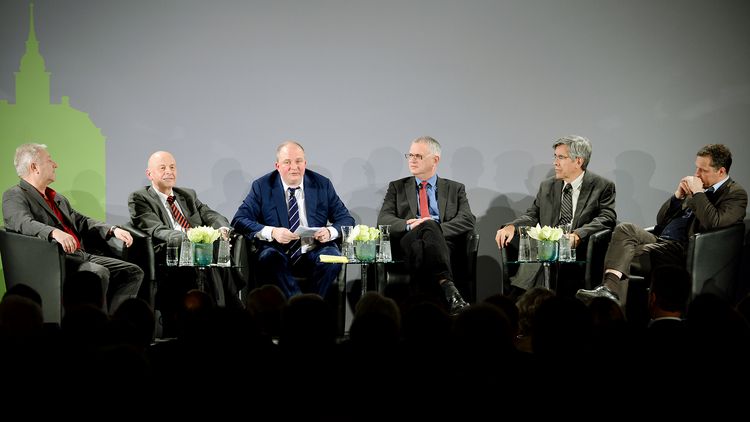
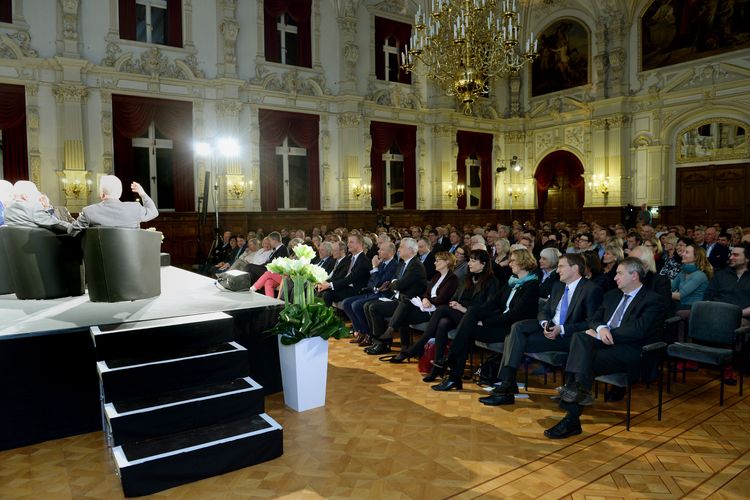
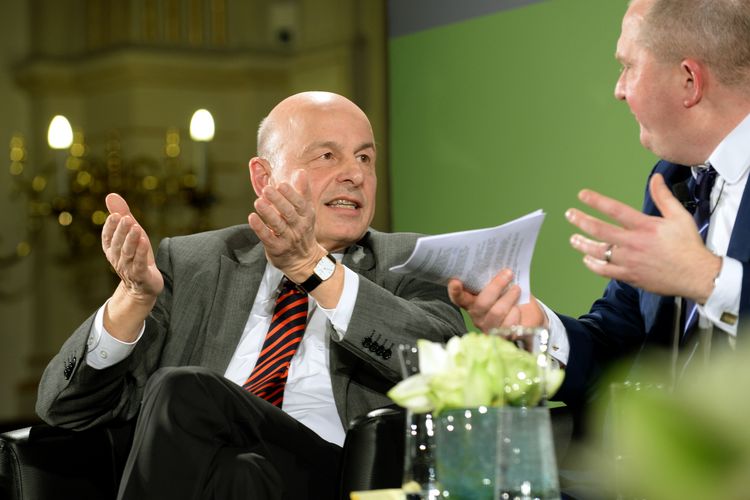
Diese Fragen standen im Mittelpunkt der siebten Oldenburger Schlossgespräche, zu denen die Universität Oldenburg, die EWE Stiftung und das Hanse-Wissenschaftskolleg Delmenhorst am Montagabend eingeladen hatten. Unter dem Motto „Wer hat Angst vor dem Robo Sapiens? – Möglichkeiten und Grenzen intelligenter Maschinen und wie sie unser Leben beeinflussen“ verfolgten rund 250 Gäste eine angeregte Experten-Diskussion. Diese wurde souverän geleitet vom Journalisten und RBB-Moderator Jörg Thadeusz in Vertretung von Maybrit Illner, die krankheitsbedingt nicht nach Oldenburg kommen konnte.
Vier Informatiker und ein Theologe
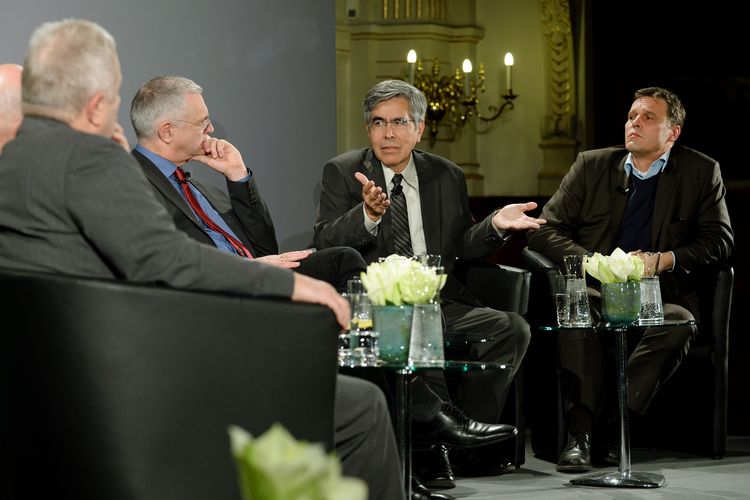
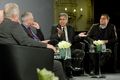
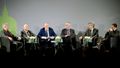
Auf dem Podium diskutierten mehrere Informatiker, die seit Jahren die Möglichkeiten Künstlicher Intelligenz (KI) erforschen: Neben Kirchner vom DFKI beteiligten sich Prof. Dr. Dr. h.c. H.-Jürgen Apppelrath, Hochschullehrer für Praktische Informatik an der Universität Oldenburg und Vorstand in dessen An-Institut OFFIS, sowie die KI-Experten Prof. Dr. Ulrich Furbach von der Universität Koblenz-Landau und Prof. Dr. Raúl Rojas von der Freien Universität Berlin. Einziger Nicht-Informatiker auf dem Podium war der Theologe Prof. Dr. Dirk Evers von der Martin-Luther-Universität Halle-Wittenberg.
In der Expertenrunde wurde schnell deutlich: Ein menschengleicher Roboter ist derzeit reine Science Fiction. „Bisher haben wir nur einen erbärmlichen Ausschnitt der menschlichen Intelligenz durch Maschinen substituieren können. Unser Gehirn ist viel zu komplex, um seine komplette Leistungsfähigkeit nachbilden zu können“, sagte Appelrath und Rojas ergänzte, dass der Mensch von Natur aus viele Dinge könne, ganz ohne nachzudenken, beispielsweise Gesichter in Sekundenbruchteilen erkennen oder in der Muttersprache reden. Das „Nicht-Nachdenken“ bereite dem Roboter hingegen Schwierigkeiten. Außerdem habe ein Roboter keine Gefühle. Er könne sie zwar bei seinem Gegenüber wahrnehmen, aber nicht wirklich nachempfinden. „Der Roboter ist in gewisser Weise ein Psychopath“, stellte er klar. Natürlich gebe es Tätigkeiten, die ein Roboter besser als ein Mensch erledigen könne. „Einige Berufe werden in fünf bis zehn Jahren aussterben“, prognostizierte Rojas. Doch seiner Meinung nach sollten bestimmte Aufgaben dem Menschen vorbehalten bleiben, beispielsweise die Senioren- und Krankenpflege. „Der Pflege-Robo ist eine Horrorvorstellung für mich“, sagte er.
Empathischer Pflege-Robo
Das sah Appelrath in dieser Absolutheit anders. Seiner Meinung nach könnten schon einfache intelligente Technologien hilfsbedürftige Menschen in der Frühphase unterstützen und erlauben, dass sie länger und selbstbestimmter in der eigenen Wohnung bleiben könnten. Beispielsweise könnte ein intelligentes System registrieren, wenn auffällige Veränderungen bei der Nutzung von Licht- und Haushaltsgeräten eintreten und in einem flexibel vereinbarten Verfahren Nachbarn, Angehörigen oder den Pflegedienst benachrichtigen. „Wir sollten solche assistiven Technologien in der Pflege nicht tabuisieren“, findet Appelrath. Furbach ging sogar noch einen Schritt weiter: „Warum soll ein Roboter nicht auch mehr tun, zum Beispiel einen Pflegebedürftigen waschen und eincremen?“ warf er in die Runde. Tests hätten gezeigt, dass ein Roboterkopf, der in der Lage ist, empathisch auf sein Gegenüber zu reagieren, gut bei den Probanden ankam. „Wir sollten da mehr Fantasie entwickeln“, forderte er.
Ob man es sich denn wirklich so leicht machen könne, warf Moderator Thadeusz ein. Schließlich müsse jemand entscheiden, wie viel Verantwortung an Maschinen übergeben werden solle, ob also beispielsweise Flugzeuge demnächst ganz ohne Piloten starten dürften. „Dafür benötigen wir einen gesellschaftlichen Konsens“, antwortete Theologe Evers und gab zu bedenken, dass letztlich immer ein Mensch die Verantwortung trage, beispielsweise derjenige, der den Roboter programmiere oder seine Systeme regelmäßig überprüfe.
Ängsten mit Aufklärung begegnen
„Naja, wir sollten da schon ehrlich sein“, warf Furbach ein. Schon längst habe der Mensch die Kontrolle in bestimmten Bereichen abgegeben, beispielsweise in der Waffentechnik oder bei der Flugzeugsteuerung, wo der Pilot nicht unbedingt gegensteuern könne, wenn die Maschine fehlerhafte Daten bekomme. „Aber wir haben bisher immer gelernt, mit neuen Technologien umzugehen“, resümierte Kirchner. Er sehe der weiteren Entwicklung positiv entgegen. „Es gibt viele Möglichkeiten, wie ein Roboter dem Menschen das Leben angenehmer machen kann“, findet er. Möglichen Ängsten solle man mit Aufklärung begegnen – und zwar frühzeitig, damit sich niemand von der Technik bedroht fühle.