


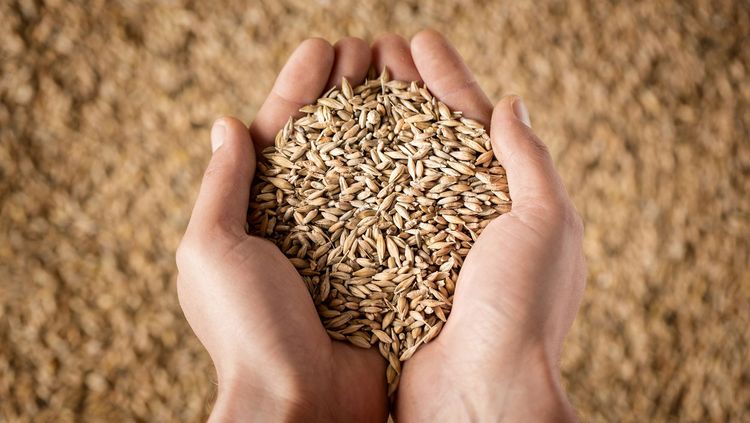

Produziert die Agrarindustrie das richtige Saatgut für eine zukunftsfähige Landwirtschaft? Können gemeinschaftliche Besitzrechte an Sorten den Pflanzenanbau sozial und ökologisch verändern? Diesen Fragen widmet sich die Forschungsgruppe „Right Seeds“.
Ob und wie man Saatgut und Sorten als Gemeingüter denken kann, erforscht die Nachwuchsgruppe um Prof. Dr. Stefanie Sievers-Glotzbach am Institut für Betriebswirtschaftslehre und Wirtschaftspädagogik der Universität Oldenburg. Im Verbund mit der Universität Göttingen, Abteilung Agrarökologie, dem Institut für ökologische Wirtschaftsforschung Berlin und weiteren Partnern aus der Praxis untersuchen die Wissenschaftlerinnen, wie gemeingüterbasierte Sortenzüchtung und Saatgutproduktion den Pflanzenbau sozial und ökologisch verändern können. Gefördert wird das Vorhaben über eine Laufzeit von fünf Jahren vom Bundesministerium für Bildung und Forschung (BMBF) im Schwerpunkt Sozial-ökologische Forschung.
Historisch gesehen sind Gemeingüter in der Landwirtschaft langbewährte Praxis. „Saatgut war bis zu Beginn des 20. Jahrhunderts eine Ressource, die von Landwirten als Gemeingut erhalten, getauscht und auf den Feldern weiterentwickelt wurde“, erklärt Sievers-Glotzbach. Mit der Intensivierung im Agrarsektor entwickelte sich die Pflanzenzüchtung jedoch zu einem kommerziellen System, das auf umstrittene biotechnologische Methoden, nicht nachbaufähiges Hybrid-Saatgut und Patentierung setzt. Das Eigentum an Sorten liegt in der Hand privater Unternehmen, die die Pflanzenzüchtung und Saatgutproduktion auf Hochleistungssorten für die industrielle Landwirtschaft konzentrieren und somit ihre Monopolstellung ausbauen. Weltweit geht dadurch die Vielfalt kultivierter Nutzpflanzen zurück. Der Gemeingüteransatz stellt vor allem für die ökologische Landwirtschaft eine Alternative zur konventionellen Züchtung dar: Er fördert die Nutzpflanzenvielfalt und bietet das Potenzial einer unabhängigen und angepassten Saatgutproduktion für den ökologischen Anbau.
In Deutschland sind im Kontext des ökologischen Pflanzenbaus Saatgut-Initiativen entstanden, welche Gemeingüter-Prinzipien aufgreifen. Die Wissenschaftlerinnen von „Right Seeds“ richten ihren Blick auf solche Initiativen, Netzwerke und Unternehmen, die vorrangig nachbaufähige Sorten anbieten, auf private Eigentumsrechte (Sortenschutz und Patente) verzichten und den Züchtungsprozess offenlegen.
Zudem begleitet die Gruppe im Rahmen des Forschungsprojekts einen Süd-Nord-Austausch zwischen einer gemeingutorientierten Kooperative auf den Philippinen und deutschen Initiativen und Unternehmen. „Insbesondere in den Ländern des Südens werden mit Erfolg gemeingüterbasierte Ansätze wie Saatguttausch-Systeme, gemeinschaftliche Saatgutbanken und partizipative Pflanzenzüchtung praktiziert“, so Sievers-Glotzbach. Die Wissenschaftlerinnen setzen dabei auf einen transdisziplinären Forschungsansatz und verknüpfen Ökologie, Politologie, Wirtschaftswissenschaften und Ethik, indem sie an gemeinsamen Fallstudien arbeiten und einen geteilten konzeptionellen Rahmen entwickeln. Die Forscherinnen der Universität Oldenburg werden konkret die normativ-ethischen Argumente für gemeingüterbasierte Rechte an Saatgut und Sorten ergründen und empirisch die mit gemeingutbasierten Saatgutsystemen verbundenen Werte untersuchen. Außerdem erforschen sie, wie gemeingüterbasierte Saatgutinitiativen in das Zusammenspiel lokaler, nationaler und globaler Institutionen eingebettet sind, und wie sich ihr Potenzial stärken lässt, auf diesen Ebenen einen Wandel hin zu einer sozial und ökologisch gerechteren Landwirtschaft anzustoßen.