


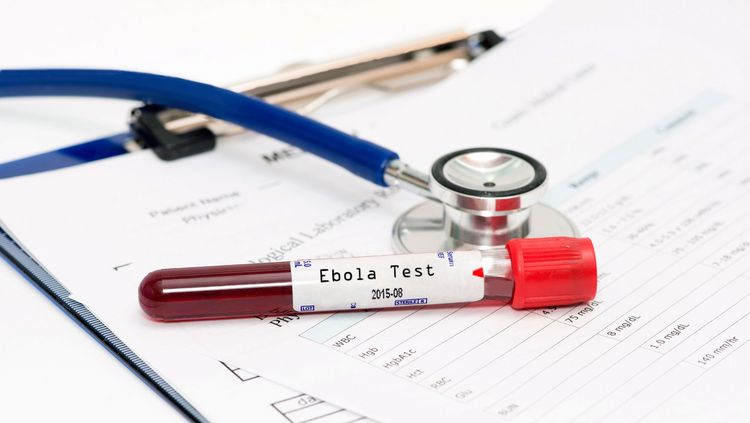

Die Ebola-Epidemie verleiht seinem jüngsten Buch aktuelle Brisanz: Der Historiker Malte Thießen hat eine sozial- und kulturgeschichtliche Anthologie zur Seuchengeschichte der Moderne und Postmoderne herausgegeben. Im Interview spricht er über das Anknüpfen der Seuchenbekämpfung an aktuelle Ängste, über Gesundheitspolitik als nationalen Prestigegewinn und verpasste Lehren aus der Geschichte.
FRAGE: Herr Thießen, in dem Band „Infiziertes Europa“ beleuchten Wissenschaftler unterschiedlicher Disziplinen die Seuchengeschichte des 20. Jahrhunderts – von der Syphilisangst zu Jahrhundertbeginn und der Spanischen Grippe 1918/19 bis hin zu „neuen Epidemien“ wie SARS oder Ebola. Wie fassen Sie die gesellschaftliche Bedeutung von Seuchen zusammen?
THIESSEN: Am Umgang mit Seuchen lassen sich das Gefüge von Gesellschaften und ihre Spannungsfelder vermessen. Seuchen zeigen, wo es brennt in einer Gesellschaft, wo es zur Sache geht, wo es sozusagen knatscht im Getriebe. Das macht sie zu einem Seismographen des Sozialen. Aus historischer Sicht sind Seuchen ein wunderbares Fallbeispiel für soziale Spannungen, wobei man sich immer wieder vergegenwärtigen muss, dass es um lebensbedrohliche, existenzielle Fragen geht.
FRAGE: Das Buch schließt eine große Forschungslücke. Können Sie sich erklären, warum Zeithistoriker die Seuchen im 20. Jahrhundert bislang eher vernachlässigt haben?
THIESSEN: Seuchen bis ins 17. und 18. Jahrhundert sind in der Geschichtswissenschaft ein großes Thema, aber spätestens bei Betrachtung des 20. Jahrhunderts hatten viele sie bislang nicht auf dem Schirm. Wenn man sich allerdings vergegenwärtigt, dass die Spanische Grippe 1918/19 selbst bei konservativer Schätzung mit 25 Millionen Toten deutlich mehr Opfer gefordert hat als der Erste Weltkrieg, ist die doch weitaus geringere historische Aufarbeitung und Literaturfülle schon bemerkenswert. Ich erkläre mir diese Lücke, diese Blindstelle ein Stück weit mit der Modernisierung selbst. Dass also Seuchen in diese Moderne, in die Vorstellung von rationaler Planung von Gesellschaften und Gesundheitsverhältnissen, nicht so richtig hineinpassen.
FRAGE: Sie sagen, Seuchen passen nicht in unsere Vorstellung der Moderne. Ist es ein Irrglaube zu denken, das ist beherrschbar und in den Griff zu bekommen?
THIESSEN: Seuchen sind immer dann ein Thema gerade in Westeuropa und den USA, staatlicherseits und in der öffentlichen Presse, wenn sie beherrschbar sind. Zum Beispiel Polio oder Tuberkulose spielten plötzlich eine große Rolle, als Impfstoffe erfunden waren. Der Kampf gegen die Seuche bietet dann Chancen, sein Sozialwesen und seinen Katalog an Gesundheitsmaßnahmen zu profilieren – was grenzüberschreitenden Maßnahmen im Wege steht. Man spielt dann sogar ein wenig mit Ängsten und Sorgen, weil man zum einen zeigen kann, der Staat tut was, wir haben die Seuche im Griff, und zweitens natürlich auch als Appell für die Teilnahme an Impfungen und anderen gesundheitlichen Maßnahmen.
FRAGE: Der Kampf gegen die Seuche trägt dazu bei, den Staat beziehungsweise das Gesundheitswesen zu legitimieren?
THIESSEN: So ist es. Hinzu kommt: Seuchen werden dann ein Thema, wenn sie in öffentliche Wahrnehmungsmuster gut hineinpassen. Beispiel Aids – das passt eben in den 1980er-Jahren in die Umbruchszeit einer sexuellen Liberalisierung und das damit verbundene Bedrohungsgefühl davor. Aids ist ein Beispiel dafür, dass solche Seuchenphänomene in aktuelle Deutungsmuster, zu aktuellen Ängsten passen müssen. Vor dem Hintergrund ist Aids eben plötzlich ein Ventil, an dem man grundsätzliche Normen verhandeln kann. Da merkt man: Sobald Seuchen in ein aktuelles Wahrnehmungsmuster passen, haben sie Skandalisierungspotenzial.
FRAGE: Inwieweit passt das zur Berichterstattung über die aktuelle Ebola-Epidemie?
THIESSEN: Das passt insofern ganz gut. Ebola beschäftigt uns ja schon fast ein halbes Jahr lang, wird aber erst jetzt plötzlich zu einem großen Thema, wenn wir daran die Probleme der Globalisierung thematisieren können. Auf einmal ist die Krankheit ganz nah, wir sehen Zusammenhänge zu globaler Vernetzung, Migration,… all den klassischen Themen, die in der Gesellschaft ohnehin angstbesetzt sind oder zumindest zu Selbstproblematisierung führen. Daran ist Ebola anknüpfbar, und damit wird es plötzlich zu einem Thema. Umgekehrt spielen zum Beispiel Pest oder Pocken aufgrund der Säkularisierung im 19. und 20. Jahrhundert weniger eine Rolle, nachdem sie im Mittelalter bis in die frühe Neuzeit sehr religiös aufgeladen waren.
FRAGE: Sie haben erwähnt, dass Seuchenbekämpfung auch heute noch die staatliche Leistungsfähigkeit widerspiegelt. Inwieweit sind denn die Gesundheitssysteme inzwischen für so ein globales Phänomen wie eine Seuche überhaupt aufgestellt?
THIESSEN: Es ist ein langer Prozess von der Gründung der Weltgesundheitsorganisation 1948 bis heute, dass die Akteure über nationale Grenzen hinausdenken und Gesundheit als globales Phänomen begreifen. Das zeigt die Seuchengeschichte sehr eindrücklich, da gerade die Frage nationalen Prestiges immer eine Rolle spielt. Im Kalten Krieg zum Beispiel, als sich DDR und Bundesrepublik gegenseitig ihre Pocken- beziehungsweise Ruhrtoten vorhalten. Die Entnationalisierung in der Seuchenbekämpfung ist ein ganz langer Weg, auch aufgrund der Aufladung des nationalen Gesundheitswesens als möglicher Prestigegewinn. Auch bei Ebola zeigt sich: Die Initiativen im Kampf gegen die Epidemie sind erst einmal national.
FRAGE: Man hätte doch aus der Geschichte schon mehr lernen können?
THIESSEN: Dadurch, dass ein internationales Forum da ist, heißt es nicht automatisch, dass jetzt plötzlich die internationale Zusammenarbeit super klappt. Engere Verzahnung? Zum Teil ist das Gegenteil der Fall. Dadurch, dass es einen internationalen Austausch statt klarer Abschottung gibt, haben wir plötzlich auch eine internationale Vergleichbarkeit. Und diese schürt den Konkurrenzkampf geradezu noch, den Wettbewerb um die gesündere Gesellschaft, was zum Teil zu starken Reibereien in der WHO führt – und eben dazu, dass die internationale Kooperation bei solchen internationalen Phänomenen schleppend anläuft, um es milde zu sagen.
FRAGE: Der neue Band zur Seuchengeschichte beschreibt auch, wie Seuchen gewissermaßen ausgelagert und als Problem anderer verstanden werden. Greift das auch bei Ebola? Liegt die bislang eher gelassene Berichterstattung westlicher Medien – und das Fehlen eines Impfstoffs – daran, dass Ebola als „Problem der anderen“ gilt, solange sie überwiegend in Afrika wütet?
THIESSEN: Ich glaube, das kippt gerade. Es wird interessant sein, das in nächster Zeit zu beobachten. Dieses sogenannte „othering“ – dass sich Gesellschaften zwar mit einem Phänomen auseinandersetzen, das aber externalisieren als Problem eben anderer – ist noch nicht etwas, das Angst schürt, sondern etwas abstrakter. Und ich glaube, es kippt tatsächlich in dem Moment – und das deutet sich ja auch bei Ebola an – wo es die Toten auch in Europa gibt. Bei dem Ebola-Toten in Spanien ging die Aufmerksamkeitsschwelle schlagartig nach oben. Sobald das wirklich vor Ort ist, konkret auch mit Bildern verbunden ist, die sich aus unserer Lebenswelt speisen, dann wird es ein Problem und führt zu einer ganz anderen Thematisierung der Seuche.
Interview: Deike Stolz