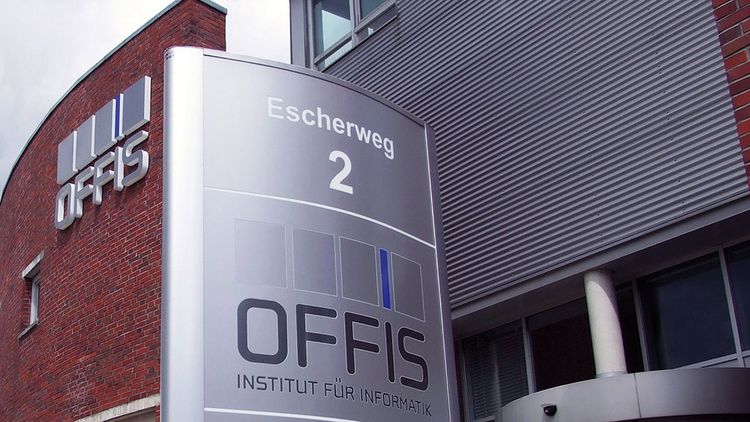
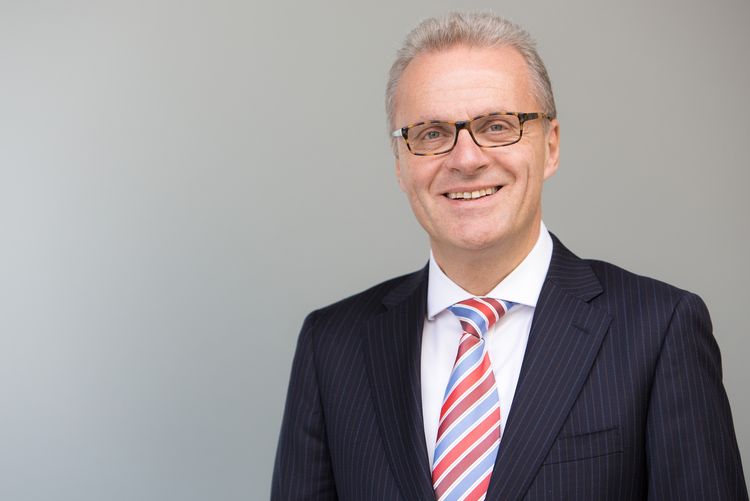


Vor 25 Jahren wurde OFFIS - das Institut für Informatik – gegründet. Seitdem hat sich das An-Institut rasant entwickelt. Der Vorstandsvorsitzende Wolfgang Nebel spricht im Interview über das, was war und sein wird.
FRAGE: Vor 25 Jahren wurde das OFFIS gegründet – wie hat sich die Welt aus Ihrer Sicht seither verändert?
NEBEL: Nehmen wir ein Beispiel aus meiner eigenen beruflichen Vergangenheit: Ich erinnere mich noch sehr genau an eine der ersten Sitzungen des OFFIS-Beirats. 1993 war das. Wir fuhren mit dem VW-Bus vor, hatten aber schon ein mobiles Telefon dabei. Im klobigen Kofferformat. Telefoniert haben wir damit eigentlich nie. Wir wussten aber um die hohe Symbolkraft. Das Handy war ein Statussymbol, mit dem Signal: „Wir sind innovativ, visionär und immer für Sie da! Heute sind Mobiltelefone ein „Personal Device“ mit Apps für alle Lebenslagen, das jeder permanent bei sich führt. Sie stehen synonym für Technologien, die unser Leben verändert haben. Wir sind eingebunden in Netzwerke, kommunizieren verstärkt nonverbal und sind immer erreichbar. Das schafft auf der einen Seite viele neue Freiheitsgrade, privat wie beruflich, und fördert die soziale Interaktion. Auf der anderen Seite entstehen neue Zwänge. Wir werden unfrei, denn die ehemals natürliche Grenze zwischen Arbeits- und Freizeit verschwimmt zunehmend. Die neuen, permanenten Kontaktmöglichkeiten werden so gleichermaßen zu einer Bereicherung und Belastung. Ein gutes Beispiel für die rasante Veränderung unserer Lebensumstände, vorangetrieben durch technologischen Fortschritt.
FRAGE: Wie ist es dem OFFIS als einen der Treiber dieses Fortschritts in den letzten 25 Jahren selbst ergangen?
NEBEL: Die Entwicklung des OFFIS lässt sich am besten als eine kontinuierliche Aufwärtsbewegung beschreiben – gemessen an Mitarbeiter- und Umsatzzahlen. Zwei Dinge sind dabei besonders gelungen: auf der einen Seite Kernkompetenzen zu halten und auszubauen, auf der anderen Seite agil und flexibel genug zu sein, um neue, zukunftsträchtige Anwendungsfelder der IT zu erschließen. Nehmen wir das Beispiel Energiewende. Die funktioniert nicht allein dadurch, dass man Photovoltaik- oder Biogasanlagen baut. Entscheidend ist die passende Infrastruktur. Stichwort „Smart Grid“: wir benötigen ein intelligentes Stromnetz, das die Energieversorgung durch das Zusammenspiel von Erzeugung, Speicherung, Netzmanagement und Verbrauch in einem Gesamtsystem effizienter macht. Das haben meine Kollegen am OFFIS – allen voran Hans-Jürgen Appelrath, Sebastian Lehnhoff und Michael Sonnenschein – frühzeitig als wichtiges Informatikthema identifiziert. Außerdem haben sie die nötige politische Überzeugungsarbeit mitgeleistet. Mittlerweile wird breit erkannt, dass die IT ein notwendiger Schlüssel ist, um so ein kompliziertes Energieversorgungsnetzwerk intelligent zu steuern.
FRAGE: Wie sehr hat der langjährige Vorstandsvorsitzende Hans-Jürgen Appelrath das OFFIS geprägt?
NEBEL: Sehr! Als Gründungsmitglied und Führungsfigur war er maßgeblich am Auf- und Ausbau des Instituts beteiligt – er galt deshalb lange Zeit als Synonym für das OFFIS. Mit seinem Gespür für neue Themen, seiner Stringenz in der Umsetzung und seiner exzellenten Vernetzung prägte er in 13 Jahren als Vorstandsvorsitzender und insgesamt 25 Jahren im Vorstand die besondere Dynamik des Instituts. Und das macht er auch weiterhin, denn in den Bereichen Energie und Gesundheit sowie im Verwaltungsrat ist Jürgen Appelrath nach wie vor für das OFFIS sehr aktiv, geschätzter Berater und lieber Freund.
FRAGE: Wie ist denn eigentlich das Verhältnis von Universität und OFFIS?
NEBEL: Die Entwicklung des OFFIS wurde von der Universität immer sehr wohlwollend und vertrauensvoll unterstützt. Beide sehen die Win-Win-Situation: Auf der einen Seite dürfen sich viele Professoren der Universität zusätzlich zu ihren originären Aufgaben an der Universität auch im OFFIS engagieren. Auf der anderen Seite profitiert die Universität von dem attraktiven Umfeld und Netzwerk, das unser Institut den Studierenden, wissenschaftlichen Hilfskräften und Mitarbeitern, Absolventen und Doktoranden bietet. Zusammen haben wir es geschafft, dass Oldenburg einen festen, sichtbaren Platz auf der Informatik-Landkarte Deutschlands hat. Mein Traum ist, das wir als Informatik-Standort und Universitätsstadt irgendwann über ein ähnliches Renommee verfügen, wie heute schon der vermeintlich provinzielle Ort St. Gallen in den Wirtschaftswissenschaften.
FRAGE: Die Branchen Energie, Gesundheit und Verkehr sind im Fokus der Anwendungen Ihres Instituts. Welche Schnittmengen sehen Sie?
NEBEL: Der größte gemeinsame Nenner ist für uns natürlich die IT, aber man kann das auch noch wesentlich kleinteiliger betrachten: Was sind denn informatisch gesehen die größten wissenschaftlichen Herausforderungen? Am OFFIS haben wir dazu insgesamt sechs Competence Center, die die drei Branchen unter jeweils eigenen Vorzeichen betrachten. Da wäre zum Beispiel das Thema Mensch-Maschine-Schnittstelle. Wie interagiert der Mensch mit der Maschine – zum Beispiel in einem automatisierten Pkw? Oder im Bereich Gesundheit: Wie kann ich beispielsweise Blinden ein Navigationssystem zur Verfügung stellen? Da sind ganz andere Kommunikationsmodi gefragt, wie etwa taktile Interfaces, die vibrieren. Im Bereich Energie: wie kann ich ein komplexes Versorgungssystem so darstellen, dass der Betreiber einer Netzleitstelle damit arbeiten kann – auch hier geht es um Fragen der Mensch-Maschine-Schnittstelle.
Um noch ein weiteres Beispiel zu nennen: Auch das Thema Sicherheit ist eine wichtige Querschnittsaufgabe, die wir über ein eigenes Competence Center abbilden. Sicherheit ist eine entscheidende Größe beim automatisierten Fahren. Beim Rechner kann man hier und da Schwächen akzeptieren – der PC stürzt ab, Blue Screen, kann passieren. Im Verkehr gibt es dagegen keine Toleranz, hier muss immer alles funktionieren, und zwar in Echtzeit. Sonst kommt es zu einer Katastrophe. Das gleiche gilt für die Energieversorgung oder bei medizinischen Geräten. Alles hochgradig sicherheitskritische Systeme, bei der die IT eine ganz entscheidende Rolle spielt.
FRAGE: In den vergangenen 25 Jahren wurden das Kompetenzspektrum und die Organisation des OFFIS ständig hinterfragt und optimiert. Was waren die Meilensteine?
NEBEL: Das OFFIS ist organisch gewachsen. Begonnen hat alles 1991 mit einem ganz kleinen Nukleus. Wenige Mitarbeiter, die – ähnlich wie an der Universität – ganz stark auf ihre Professoren fokussiert waren. Dann ist das OFFIS weiter gewachsen. In dieser Phase kamen die Bereichsleiter hinzu. Das waren besonders erfahrene und in der Regel promovierte Wissenschaftler. Wobei sich die Grundausrichtung damals noch klassisch an den Kernthemen der Informatik und weniger an Branchen und Anwendungen orientiert hat. Das sollte sich 2008 ändern. Mit sechs Bereichen war das OFFIS bereits enorm gewachsen. Eine klare Kommunikation, wofür wir eigentlich stehen, wurde immer schwieriger. Wie erkläre ich in drei Sätzen, was das OFFIS eigentlich macht? Und wie können wir unsere eigenen Synergien besser nutzen? Eine deutliche Positionierung musste her – auch auf die Gefahr hin, dass damit erhebliche strukturelle Veränderungen verbunden sind. Unser Ansatz war an der Stelle eigentlich recht simpel: wir sind ja ein transfer- und anwendungsorientiertes Forschungsinstitut – also schauen wir uns mal an, welche Anwendungen für uns eine besondere Bedeutung haben. Worin sind wir besonders gut? Wo haben wir die besten Netzwerke? Auf welchen Gebieten verstehen wir die Sorgen und Nöte unserer Partner am besten? Unterm Strich blieben die drei Anwendungsbranchen Energie, Gesundheit und Verkehr– und gleichzeitig die größte Organisationsveränderung in der Geschichte des OFFIS.
FRAGE: Die Digitalisierung unserer Gesellschaft führt zu einschneidenden Veränderungen. Stehen wir vor der nächsten technologischen Revolution?
NEBEL: Das Wort Revolution hört sich immer sehr dramatisch an. Nach schnell herbeigeführten Veränderungen. Das ist aber oft gar nicht der Fall – schließlich hat die Französische Revolution 30 Jahre gedauert. Beschreibt der Begriff Revolution vor allem signifikante Auswirkungen auf die Gesellschaft und Wirtschaft, dann antworte ich mit einem klaren Ja. Man kann das ganz gut am Schlagwort „Big Data“ greifbar machen. Die Verfügbarkeit aller möglichen Daten stellt die Welt schon heute auf den Kopf. Ich nenne mal das Beispiel Uber. Uber ist vernehmlich ist das größte Taxiunternehmen weltweit ohne eigene Fahrzeuge. Traditionelle Taxiunternehmen wurden quasi über Nacht „weggeubert“.Die Spielregeln haben sich also bereits massiv verändert, und das ist erst der Anfang.
FRAGE: Welche Vision haben Sie als Vorstandsvorsitzender für das OFFIS?
NEBEL: Dass das OFFIS weiter wächst. Denn die Chancen und Herausforderungen der Dynamik der Informatik und ihrer Anwendungen erfordern ein verantwortungsvolles Handeln. Dieses setzt Wissen und Bildung voraus, und zwar bezüglich der technologischen Entwicklungen wie in ihren wirtschaftlichen, gesellschaftlichen und sozialen Auswirkungen. Schon heute ist OFFIS das größte niedersächsische IT-Institut, im Bundesvergleich gibt es für Niedersachsen aber noch Nachholbedarf. Deshalb baue ich fest darauf, dass das OFFIS die Chance bekommt, weiter zu gedeihen. Wünschenswert wäre das in einer gemeinsamen Förderung durch den Bund und die Länder – also durch die Aufnahme in eine der großen Wissenschaftseinrichtungen. Was unsere Themen betrifft, werden wir künftig noch interdisziplinärer aufgestellt sein. Das muss auch so sein, schließlich durchdringt die Informatik immer stärker alle Lebensbereiche der Menschen. Um diese besser zu verstehen, müssen wir über entsprechende Kontakte verfügen und weitere Kooperationen eingehen. Welche Bereiche das sein werden? Industrie 4.0 ist sicher ein Thema. Weitere kommen hinzu und werden an Gewicht gewinnen: zum Beispiel die Energie- und Gesundheitsversorgung, Mobilitätsthemen und intelligenter werdende Städte und Regionen.
Interview: Volker Sandmann