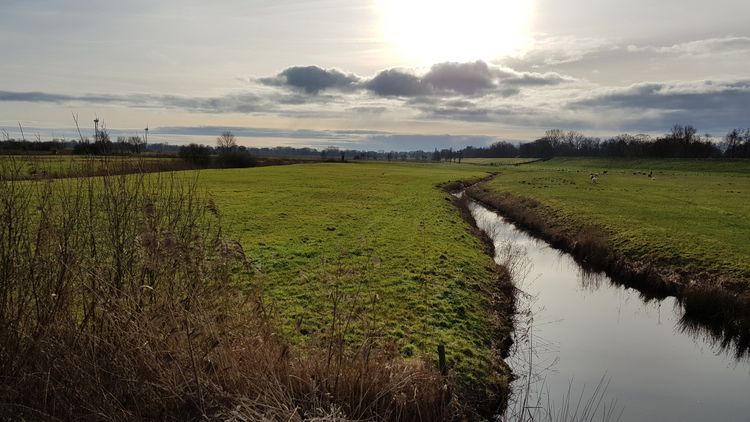


Viele Oberflächengewässer in Niedersachsen sind stark mit Nitrat belastet. Wie hoch die Werte sind, können Bürger nun gemeinsam mit Forscherinnen und Forschern der Universitäten Oldenburg und Osnabrück selbst ermitteln – knietief im nächsten Bach oder von Zuhause aus mit der „Stickstoff-Box“.
In Salami und sogar im Salatblatt ist es zu finden: Nitrat ist eine lebenswichtige Stickstoffverbindung, die in der richtigen Dosis der Natur unter die Arme greift. In zu hohem Maße kann Nitrat aber schädlich für Mensch und Umwelt werden. Zu viel Nitrat in der Natur überdüngt zum Beispiel nicht nur Gewässer und Böden, sondern beeinträchtigt auch die Artenvielfalt. Doch warum wirkt Nitrat als Dünger? Wie gelangt der Nährstoff ins Grundwasser? Und wie belastet sind unsere Gewässer eigentlich?
Diesen Fragen widmet sich ein Projekt der Universitäten Oldenburg und Osnabrück. Das Besondere an diesem Vorhaben: Bürgerinnen und Bürger werden selbst zu Nitrat-Forschern. Mit einfachen Methoden messen sie Nitratwerte in Oberflächengewässern wie Bächen oder Brunnen. Die Oldenburger Forscherinnen und Forscher stellen außerdem einigen Teilnehmern eine Experimentier-Box zur Verfügung, damit diese sich noch genauer mit dem Thema beschäftigen können.
Das Projekt bringt allerdings nicht nur Wissenschaftler und Bürger zusammen: Auch Schulen aus dem Nordwesten sind in das Vorhaben eingebunden. In Seminarfächern beschäftigen sich Oberstufenschülerinnen und -schüler zwei Jahre lang intensiv mit der Stickstoffproblematik und den dazugehörigen Forschungsprojekten. Als „Paten“ betreuen sie unter anderem Kleingruppen von Interessierten bei den Nitrat-Messungen und erklären ihnen die Testmethode.
Beide Seiten profitieren
„Das Thema Nitrat betrifft alle Menschen in unserer Region“, sagt die Oldenburger Chemiedidaktikerin Prof. Dr. Verena Pietzner, die das Projekt zusammen mit Prof. Dr. Marco Beeken von der Universität Osnabrück leitet. In vielen Gegenden Norddeutschlands sei das Oberflächenwasser mit Nitrat belastet, was Auswirkungen auf das Grundwasser haben kann. Und ein sogenanntes Citizen-Science-Projekt über Nitrat sei eine gute Gelegenheit, die Problematik in die Haushalte zu tragen. Dabei profitieren letztlich beide Seiten: Die Teilnehmenden liefern zusätzliche Daten für die Forschung und lernen neben wissenschaftlichen Arbeitsmethoden auch, was in der Umwelt vor ihrer Haustür vor sich geht.
Der Ansatz, Nicht-Wissenschaftler mit Forschern zusammenzubringen, ist in der Chemie noch nicht sehr verbreitet. Doch Pietzner liegt viel daran: „Im 19. Jahrhundert ging man in naturwissenschaftliche Abendveranstaltungen wie heute ins Theater. Es wäre schön, diese Neugier an der Wissenschaft wieder aufleben zu lassen.“
Der Erdboden in der Pfandflasche
Die Neugier der über 600 Hobby-Wissenschaftler, die sich bereits bei den Projektpartnern in Osnabrück angemeldet haben, stimmt optimistisch. Die Osnabrücker Forscherinnen und Forscher sind für den ersten Teil des Projekts, das die Deutsche Bundesstiftung Umwelt bis März 2020 fachlich und finanziell fördert, zuständig. Sie statten die Bürgerinnen und Bürger mit kleinen Teststreifen aus, die den Nitratgehalt im jeweiligen Oberflächengewässer anzeigen. Die gewonnenen Daten laden die Hobbywissenschaftler online hoch.
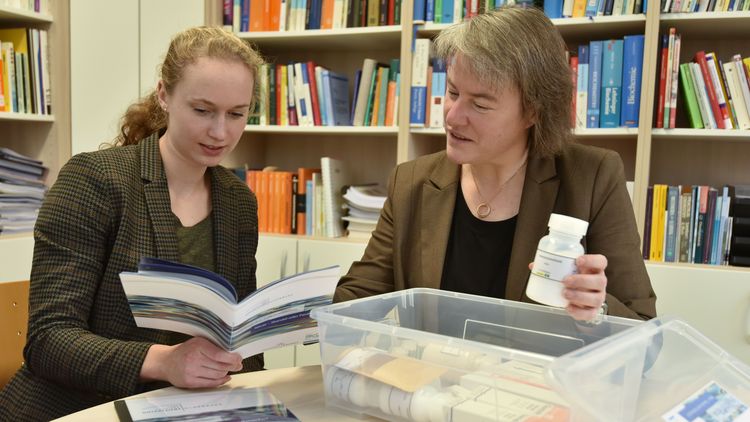
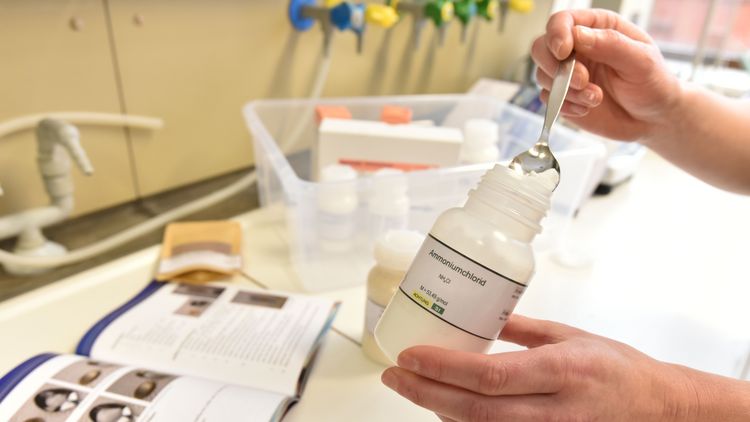
In Oldenburg hat Pietzner gemeinsam mit ihrer Doktorandin Mientje Lüsse im zweiten Projektteil eine Experimentierbox entwickelt. 15 verschiedene Versuche für Groß und Klein laden zum Tüfteln und Ausprobieren ein. Eine Broschüre enthält entsprechende Anleitungen und Hintergrundinformationen. Das Material für die Experimente ist dabei entweder in dem Versuchskit enthalten oder findet sich in jedem Haushalt. Nur mithilfe einer PET-Flasche, etwas Sand, Kies und einem Kaffeefilter lässt sich beispielsweise ein vereinfachtes Modell des Erdbodens nachbauen. Gibt man nun eine Nitrat- oder Ammonium-Lösung hinzu, wird deutlich, wie ein pflanzenfreier Boden zwar Ammonium herausfiltert, nicht jedoch das Nitrat. Auf diese Weise kann es in der Realität in unser Grundwasser sickern. Pflanzen hingegen sind in der Lage, Nitrat aus dem Boden aufzunehmen; aus diesem Grund ist es wichtig, Böden möglichst zu begrünen.
Experimentieren als Denkanstoß
Das Begleitheft enthält außerdem Tipps, wie jede Privatperson ihren persönlichen Nitratausstoß verringern kann. „Kleine Dinge machen bereits einen großen Unterschied: Zum Beispiel nur so viel einkaufen, wie man verbraucht oder weniger Fleisch essen“, erklärt Lüsse. Wie die Osnabrücker Kollegen, steht die Doktorandin ebenfalls in engem Kontakt mit den beteiligten Schulen. Die Oberstufenschülerinnen und -schüler testen die Experimentierboxen auf Herz und Nieren. Sie prüfen unter anderem die Verständlichkeit der Informationen und die Handhabung der Experimente. Die Wissenschaftlerinnen integrieren das Feedback der Schüler, bevor sie das Versuchskit an die Öffentlichkeit geben. Gut 100 Hobby-Wissenschaftler erhalten die Box dann Anfang dieses Jahres.
Im Spätsommer und Herbst interviewen Pietzner und Lüsse die Teilnehmer schließlich zu ihren Erfahrungen mit dem Versuchskit. „Wir erhoffen uns, dass Bürgerinnen und Bürger ebenso wie Schülerinnen und Schüler durch das Experimentieren zum Nachdenken angeregt werden. Und wir möchten herausfinden, ob es dadurch zu veränderten Einstellungen bezüglich Umweltthemen kommt“, sagt Lüsse. Organisiert von den Schülern, schließt das Projekt mit mehreren Ausstellungen ab. Dort werden sowohl die Osnabrücker und Oldenburger Wissenschaftler ihre Ergebnisse präsentieren. Bis dahin stapfen noch einige Hobby-Wissenschaftler durch Bäche und verwenden Pfandflaschen für ihre Experimente.