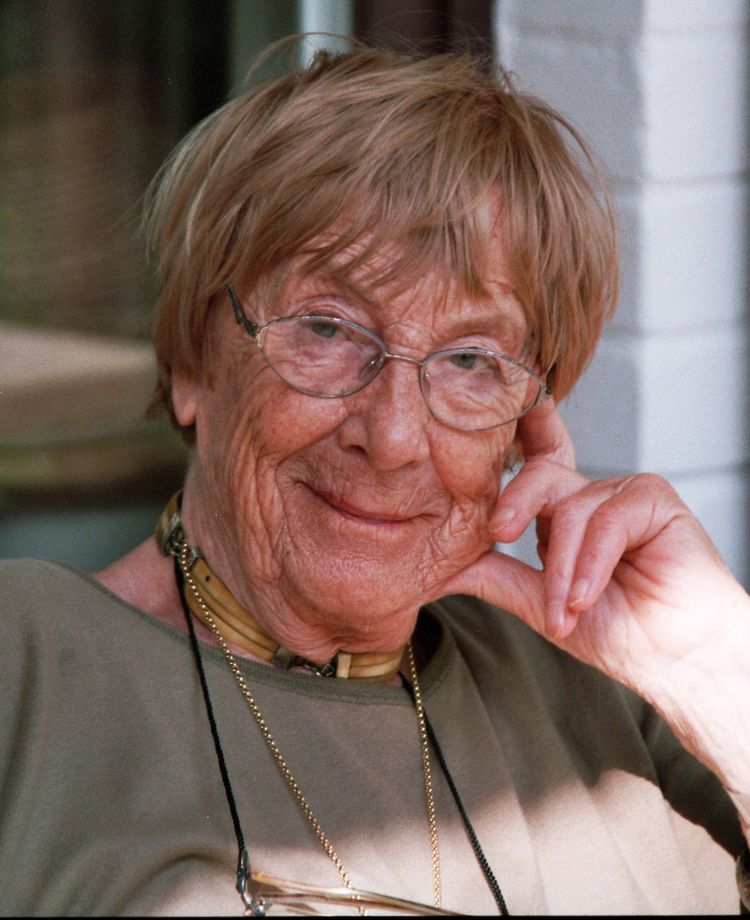


She was ahead of her time: Oldenburg music teacher and the university's first honorary doctor, Gertrud Meyer-Denkmann. Gertrud Meyer-Denkamnn died in December 2014 at the age of 96. At the suggestion of Oldenburg musicologists Dr Till Knipper and Prof Dr Melanie Unseld, her estate has now been included in the archive of the renowned Paul Sacher Foundation in Basel.
The foundation preserves the estates of modern musicians, performers and artists such as Béla Bartók and Igor Stravinsky. Meyer-Denkmann's diary entries and correspondence with composers of New Music, as well as sketches of her own works, have now been added to the archive: Texts about new music and its communication.
"Her sketches and correspondence provide a deep insight into the way of thinking, the activities and the discourse on contemporary music in the second half of the 20th century," says Unseld. These decades, characterised by social and artistic upheavals, are reflected in Meyer-Denkmann's estate in an impressive way. The music teacher worked with children from an early age, for example, and gave them their own approach to contemporary music. She also stimulated philosophical discussions about contemporary music and brought John Cage to the University of Oldenburg for his first visit to Germany.
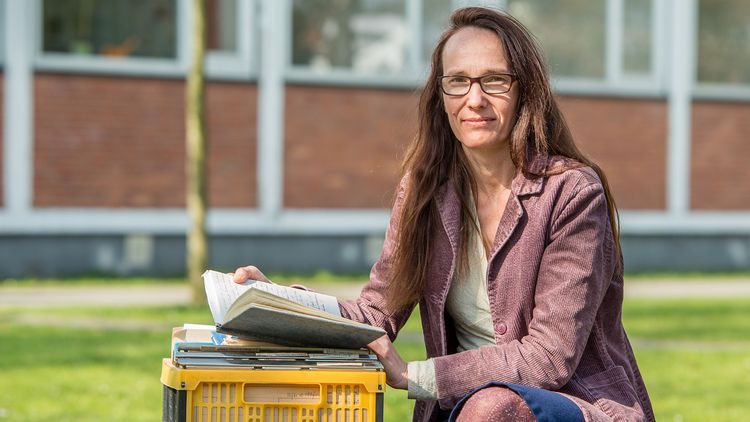
A team of Oldenburg students sifted through Meyer-Denkmann's legacy and prepared it for the archive. "This was the only way to turn loose, slowly yellowing notes into music-historical sources that researchers can use in the future to continue writing the history of the communication of contemporary music," summarises Unseld.