


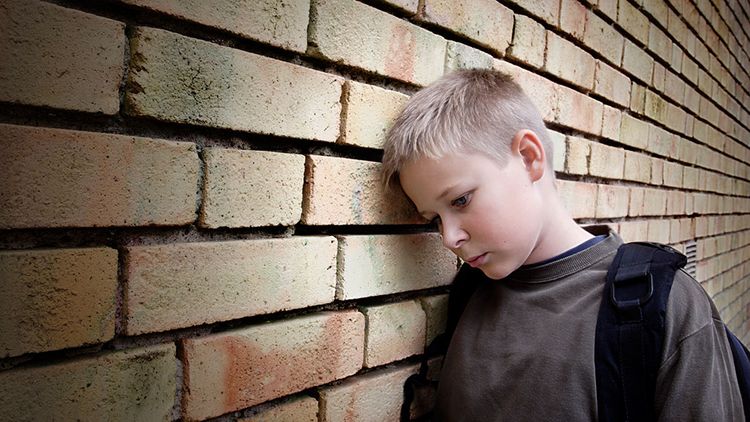
Warum meiden Kinder und Jugendliche die Schule? Sonderpädagoge Heinrich Ricking und sein Team erforschen die Hintergründe von Schulabsentismus.
Manchmal fühlt sich Prof. Dr. Heinrich Ricking wie ein Detektiv. Der Experte für Pädagogik bei Lern- und Verhaltensstörungen erforscht, warum Kinder und Jugendliche der Schule fernbleiben. Kein leichtes Unterfangen, denn die Gründe für Schulabsentismus – wie das unentschuldigte Fehlen wissenschaftlich bezeichnet wird – sind äußerst vielfältig. „Wir müssen in der Regel tief eintauchen, um an den Kern des Problems zu gelangen“, sagt Ricking. In mehreren Forschungsprojekten versuchen er, seine Kollegen und Mitarbeiter der Fachgruppe „Schulabsentismus und Dropout“ am Institut für Sonder- und Rehabilitationspädagogik, sich dem Thema anzunähern.
„Dass etwa fünf Prozent der Kinder und Jugendlichen nur unregelmäßig oder nicht in die Schule gehen, ist ein Armutszeugnis für eine Gesellschaft, deren wichtigster Rohstoff Bildung ist“, findet Ricking. Oft sei das häufige Fernbleiben vom Unterricht der erste Schritt ins soziale Abseits, in ein Leben ohne berufliche Perspektive, eine Existenz am Rande des Geschehens. Experten gehen davon aus, dass die Gesellschaft jedes Jahr Milliarden aufbringen muss, um die Folgen von Schulabsentismus aufzufangen. Trotzdem fliegt das Thema laut Ricking in den Schulen und der Politik häufig unter dem Radar. Das wollen die Oldenburger Forscher ändern.
Schwänzen, Meiden, Zurückhalten
Der erste Schritt: Herausfinden, warum ein Schüler nicht mehr zum Unterricht kommt. „Grundsätzlich unterscheiden wir zwischen drei Formen des Schulabsentismus: Schulschwänzen, angstbedingtes Meidungsverhalten und Zurückhalten“, erklärt Ricking. Das Schulschwänzen ist die wohl bekannteste Form. Wer oft „blau“ mache, habe in der Regel vorher viele negative Erfahrungen gemacht, beispielsweise Ärger mit Lehrern gehabt, laufend schlechte Noten geschrieben, immer wieder Konflikte erlebt. „Dann weichen Schüler dieser Situation aus und suchen am Vormittag scheinbar attraktivere Orte auf, zum Beispiel das Einkaufszentrum – häufig in Begleitung Gleichgesinnter“, sagt der Wissenschaftler. Vermeintlich einfaches Schulschwänzen sei auf Dauer keine Bagatelle.
Bei der zweiten Form, dem angstbedingten Meidungsverhalten, bleiben die Kinder und Jugendlichen aus Angst der Schule fern – Angst vor einer Mathearbeit, einem unfairen Lehrer oder mobbenden Mitschülern. Die Betroffenen befinden sich häufig in großer Not, vor allem, wenn andere Schüler ihnen zusetzen. „Mobbing kann weitreichende psychosoziale Folgen haben, das geht bis zum Suizid“, sagt Ricking. Hier sei energisches Einschreiten der Lehrer gefragt, allerdings sei die Dunkelziffer ziemlich hoch. Auch komme es immer wieder vor, dass Eltern oder Lehrer die Situationen verkennten und das systematische Drangsalieren als „kleine Hänselei“ abtäten.
Die dritte Grundform des Schulabsentismus, das „Zurückhalten“, geht nicht von den Schülern, sondern den Eltern aus. „Dahinter stecken ganz unterschiedliche Problemlagen“, erklärt Ricking. Beispielsweise gebe es Kinder, die ihren Eltern morgens beistehen müssen –
weil diese chronisch krank und hilfsbedürftig sind. In einigen Familien müssten Kinder zum Haushaltseinkommen beitragen. Wieder andere Eltern hielten ihre Kinder absichtlich fern, weil sie den Lehrplan ablehnten – häufig aus religiösen Gründen.
Um den Ursachen auf den Grund zu gehen, haben Ricking und sein Team gemeinsam mit Forschern der Universität Wuppertal Krefelder Hauptschüler der fünften bis siebten Jahrgänge befragt: Habe ich Angst vor einer Arbeit? Habe ich Stress mit meinem Lehrer? Oder: Möchten meine Eltern, dass ich zuhause bleibe? „Über diese grundlegende Orientierung der Motive bekamen wir schon mehr Klarheit. Es gab uns die Möglichkeit, tiefer in die Thematik einzudringen, zum Beispiel durch Interviews mit den Schülern, Lehrern oder Eltern.“ Mit überraschendem Ergebnis: Bisher gingen Experten davon aus, dass der Schulabsentismus so gut wie immer auf die Initiative der Kinder zurückgeht und diese ihren Eltern vorspielen, dass sie in der Schule waren. Die Krefelder Studie habe nun aber gezeigt, dass bis zu 40 Prozent der Versäumnisse den Eltern durchaus bekannt sind. „Das ist ein enorm hoher Wert, der uns total überrascht hat“, sagt Ricking.
Die Schulen können nach Meinung des Forschers auch selbst einiges dafür tun, dass es gar nicht erst so weit kommt. Stichwort: Monitoring. „Viele Schulen in Deutschland wissen nicht einmal, wie hoch ihre Anwesenheitsquote ist“, hat Ricking herausbekommen. Großbritannien sei da schon deutlich weiter. Dort gibt es sogenannte „Attendance officers“ – Fachangestellte, die nichts anderes tun, als die An- und Abwesenheit von Schülern abzuklären und planvoll zu reagieren. Eins der Oldenburger Projekte geht genau in diese Richtung: Die Wissenschaftler begleiten mehrere Schulen im Nordwesten, die ein Monitoring-System nach englischem Vorbild ausprobieren.
Zu wenig Sonderpädagogen
Der Blick nach England zeigt auch: Es macht Sinn, das Problem frühzeitig anzugehen. Dort gibt es an den Grundschulen – anders als in Deutschland – nicht nur Lehrer, Sekretärinnen und einen Hausmeister. „30 bis 35 Prozent des Schulpersonals sind andere Pädagogen und Therapeuten, die gemeinsam alles tun, damit Schüler nicht abgekoppelt werden“, sagt Ricking. An deutschen Grundschulen sind Sonderpädagogen immer noch eine Seltenheit, der Bedarf werde bei weitem nicht gedeckt.
Erste Schritte in die richtige Richtung habe die Niedersächsische Landesregierung nun eingeleitet: Die Studienkapazitäten am Oldenburger Institut für Sonder- und Rehabilitationspädagogik werden vor dem Hintergrund der durch die Inklusion entstehenden Bedarfe deutlich ausgeweitet. In einigen Jahren werden in Oldenburg drei Mal so viele junge Menschen zu Sonderpädagogen ausgebildet wie bisher. „Wir bekommen außerdem neun neue Professuren, so dass wir viele Forschungsansätze noch gezielter verfolgen können“, freut sich Ricking. Eine konkrete Studie ist bereits in Planung, sie soll Kinder ab dem Kindergarten bis in die Oberschule begleiten. Die Hoffnung der Forscher: Sie erfahren, welche Bildungswege Kinder nehmen –
und inwieweit dies abhängt von den Lern- und Lebensbedingungen, die sie mitbringen. Eine wichtige Grundlage, um zu erarbeiten, wie sich allgemein Schulen präventiv auf herausfordernde Zielgruppen einstellen können. „Das ist zwar eine aufwendige, aber sehr lohnenswerte Sache“, findet Ricking – und hofft auf einen Projektstart in ein bis zwei Jahren.