



Bürger als Forscher sind in den Oldenburger Meereswissenschaften gefragt, bestimmen unter anderem Wasserfarben per Smartphone. Meeresphysiker Oliver Zielinski über das sich trübende Küstenmeer, seit über 100 Jahren erprobte Forschungsmethoden – und eine Zukunftsvision für Citizen Science.
FRAGE: Herr Zielinski, waren Sie selbst schon einmal als Citizen Scientist aktiv?
ZIELINSKI: Zwar bin ich früher, als Jugendlicher, schon durch die Bornhorster Wiesen gegangen und habe ein Auge für Landschaft und Natur gehabt – aber ich habe nicht systematisch etwa Vögel beobachtet oder meine Beobachtungen jemandem gemeldet, der es zu einem größeren Bild zusammentrug. Vielleicht gab es keine einfachen Kommunikationswege – und jedenfalls schon gar kein Smartphone.
FRAGE: Nun untersuchen Sie im Forschungsprojekt Coastal Ocean Darkening die vermutlich sinkende Lichtverfügbarkeit in Küstengewässern. Welche Rolle spielen da die Beobachtungen von Bürgern?
ZIELINSKI: Wir brauchen viele Beobachtungen an vielen Orten, und da ist es ideal, wenn Bürger sich beteiligen. Es geht um das Küstenmeer, das sich in den zurückliegenden 100 Jahren getrübt hat – etwa aufgrund von Nährstoffeinträgen sowie zunehmender Fischerei, die den Meeresboden durchwühlt. Diese Dinge passieren auf Langzeitskalen und dazu an vielen Orten: Wenn man ganz viele Messungen haben will, dann ist das als Wissenschaftler kaum machbar. Bürger hingegen sind an den tollsten und entlegensten Orten unterwegs und können sehr gute Beobachtungen für die Forschung liefern. Auch haben Bürger ein sehr waches Auge und geben Rückmeldungen über Dinge, die wir so vielleicht gar nicht wahrgenommen hätten. Sie sind in der Lage, unsere Methoden zu verbessern oder eben Einflüsse zu schildern, die wir vielleicht so gar nicht gesehen haben.
FRAGE: Können Sie ein Beispiel nennen? Inwiefern liefert der Kontakt mit Bürgern neue Anregungen?
ZIELINSKI: Allein zur Einsatzmethodik der EyeOnWater-App, die wir entwickelt haben zur Farbmessung per Smartphone, gab es ganz viele Eingaben von Bürgern. Ob es die Handhabbarkeit ist, auch einhändig, der Einsatz vom Seekajak aus oder die Lesbarkeit bei Sonnenlicht. Solche Rückmeldungen bekommen wir von Bürgern.
FRAGE: Und wie viele sind jetzt schon aktiv geworden im aktuellen Projekt?
ZIELINSKI: Ungefähr 10.000 Beobachtungen weltweit haben wir bislang neu erfasst. Wir haben Rückmeldungen aus Australien, Süd- und Nordamerika, natürlich sehr viel aus Europa. Nicht alle registrieren sich bei unserer Plattform als User, aber vermutlich sind es einige hundert Nutzer.
FRAGE: Leute, die Lust haben, auch noch mitzumachen, brauchen also lediglich ein Smartphone und die App EyeOnWater?
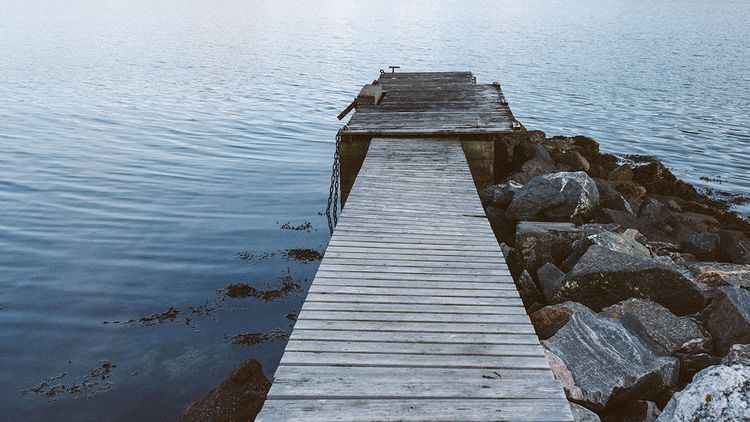
ZIELINSKI: Genau, die lässt sich auf den großen Plattformen kostenlos herunterladen. Mehr braucht man nicht. Die einfachste Form der Beobachtung ist die Farbe der Wasseroberfläche. Dazu gehe ich zu einem Standort, der offenes Wasser hat, zum Beispiel an einem Steg, einer Hafenkante oder von einem Boot aus. Dort kann ich die Wasserfarbe per App über eine Fotoaufnahme bestimmen. Darüber hinaus ist auch die Sichttiefe an der betreffenden Stelle interessant. Die lässt sich ermitteln, indem ich eine weiße Scheibe herunterlasse und schaue, wie lange sie noch sichtbar ist – ein Verfahren, das auf den italienischen Physiker Angelo Secchi zurückgeht und schon über 150 Jahre alt ist. Solche Informationen kann ich über die App noch extra eingeben, zwingend notwendig ist das aber nicht.
FRAGE: Und wie funktioniert die Farbbestimmung per App?
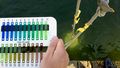
ZIELINSKI: Sie basiert auf einer historischen Farbmethode, die immerhin gut 120 Jahre alt ist: 21 Farben von Indigoblau über Grün und Gelb bis Coca-Cola-Braun decken die Gewässer vom klaren Ozean bis zum Moorwasser ab. Diese Farbskala haben wir umgesetzt in eine Computerskala, das ist das ganze Geheimnis. So können wir die heutigen Daten auch in Bezug zu historischen Messungen setzen. Um die Wasserfarbe richtig aufzunehmen, bietet die App selbst eine kleine Anleitung: Am besten steht man mit der Sonne im Rücken und hält das Smartphone möglichst steil, um das Wasser und nicht die Reflektion des Himmels abzulichten. Anschließend kann ich zu dem Foto aus der Farbskala die passende Farbe auswählen – manuell. Es funktioniert wie die klassische Methode von 1895, nur mit dem Smartphone. Im Hintergrund läuft dann ein Computer-Algorithmus, der das auch berechnet.
FRAGE: Also sind Sie nicht auf die fehlerfreie Farbwahrnehmung der Menschen angewiesen.
ZIELINSKI: Nein. Aber manchmal ist es so, dass man es vom Eindruck her besser wiedergibt. Der Mensch hat eine enorme Fähigkeit, das einzuschätzen. Ich nutze die App auch, wenn ich unterwegs bin, zum Beispiel zuletzt auf einer Grönland-Expedition – von dort gab es bislang nur Beobachtungen von 1928 und Anfang der 1950er-Jahre, mehr nicht. Wir können einen historischen Datensatz nutzen mit 300.000 Beobachtungen weltweit, in dem bestimmte Gebiete bereits sehr dicht untersucht sind, etwa russische und japanische Gewässer. Und zur Lichteindringtiefe, zur Klarheit des Wassers können wir auf einen historischen Datensatz mit sogar 600.000 Messungen zugreifen. Beides nutzen wir für das Projekt und wollen Farbe und Transparenz des Wassers in Bezug zueinander setzen. Die Sichttiefe nach Secchi haben Forscher bereits betrachtet und gesehen, dass es in den Gewässern dunkler wird – aber mit den Farbinformationen hat das bislang noch niemand zusammengebracht.
FRAGE: Sie schauen also auch in die Vergangenheit.
ZIELINSKI: Genau, einmal schauen wir ein Jahrhundert zurück – diese beiden Datenquellen sind dafür einfach toll. Und für den Blick in die Gegenwart binden wir unter anderem die Bürgerwissenschaften ein, um aktuelle Daten zu gewinnen, aber auch andere moderne Methoden wie Satellitenbeobachtung. Denn bisher enden alle Messungen auf diesem Feld im Jahr 2000. Es wird spannend, ob sich die Küstengewässer auch zuletzt weiter verdunkelt haben oder der Trend vielleicht gestoppt ist.
FRAGE: Wie lange läuft Ihr Projekt?
ZIELINSKI: Die Laufzeit beträgt insgesamt vier Jahre, davon ist eines um. Wir konnten dort anknüpfen, wo wir zuvor mit einem dreijährigen EU-Projekt aufgehört hatten. In dem Projekt namens Citclops hatten wir unter anderem die App entwickelt. Es ist gut, dass wir direkt loslegen konnten, denn Bürgerwissenschaften brauchen natürlich Zeit.
FRAGE: Wie sieht denn der Dialog zwischen Wissenschaft und Bürgern idealerweise aus?
ZIELINSKI: Es gibt unterschiedliche Level. Die einfachste Form ist dieses Crowdsourcing, wo Bürger zwar in die Datenerhebung eingebunden sind, aber nicht ins kritische Hinterfragen der Methoden. Die nächste Stufe involviert den Bürger auch in die Weiterentwicklung der Methodik oder die Interpretation der Daten. Dazu hat vielleicht nicht jeder Lust oder Know-how, aber es gibt eben Bürger, die so viel Engagement und Freude daran haben, dass man sie auch auf diesem höheren Level gut einbinden kann. Das haben wir gemacht, indem wir zum Beispiel einen Seekajak-Verein und eine im Nationalpark Wattenmeer aktive Gruppe „Junior Ranger“ eingebunden haben. Solche Gruppen mit einem Bezug zum Thema können ganz viel tolles Feedback liefern, das über eine reine Messung hinausgeht. Man könnte noch eine Stufe weitergehen und die Bürger schon in die wissenschaftliche Konzeption und das Entwickeln der Forschungsfragen einbeziehen. Diesen Ansatz haben wir aber nicht verfolgt.
FRAGE: Würde man damit möglicherweise wissenschaftliche Standards aufweichen? Anders gefragt: Ist das noch Wissenschaft – oder steht bei solchen Projekten dann der Austausch im Vordergrund?
ZIELINSKI: Das Involvieren von Bürgern dient nicht vordergründig der Kommunikation; das ist ein Nebeneffekt. Wir wollen natürlich Bürger involvieren, informieren, sensibilisieren für unsere Forschung. Aber Bürgerwissenschaften gehen definitiv einen Schritt weiter – dahin, die Leute einzubeziehen mit ihren Ideen und ihrem kreativen Potenzial. Natürlich müssen wir Forscher uns dazu ein bisschen lösen vom Anspruch, Herr oder Frau der Lage sein und alles genau definieren zu müssen. Aber für dieses Risiko wird man belohnt. Besonders gute Erfahrungen bringt die Zusammenarbeit mit Menschen, die in ihrem Freizeit- oder Berufsleben mit dem Thema – in unserem Fall dem Wasser – zu tun haben. Beim Standard-Touristen, der ein paar Fotos von der Nordseeinsel beiträgt, ist sicherlich der Kommunikationsgedanke stärker. Aber Bürgerwissenschaften haben ganz klar den Ansatz, den Bürger wahrzunehmen und ihn nicht nur zu „benutzen“.
FRAGE: Wenn Sie sagen, Sie müssen sich von dem Gedanken verabschieden, als Wissenschaftler Herr der Lage zu sein, schauen Sie ja nichtsdestotrotz auf die wissenschaftliche Qualität. Ist die Datenqualität etwas, worauf man besonders ein Auge haben muss?
ZIELINSKI: In der Tat. Am besten weiß ich natürlich immer, was ich selber gemessen habe. Wenn andere messen, muss ich genau hingucken. Die Streubreite der Messungen, vielleicht auch der Fehlerbalken, ist größer – dafür ist allerdings auch die Zahl der Messungen um ein Vielfaches größer. Und in der Statistik ist es ja so, dass sich auch durch die Anzahl der Messungen Fehler wieder minimieren lassen. Ich muss mir eben überlegen, was ich will: eine hochqualitative Messung eines ausgebildeten Wissenschaftlers an einem Ort zu einem Zeitpunkt – oder tausend Messungen von motivierten Bürgern an tausend Orten zu verschiedenen Zeitpunkten?
FRAGE: Als Mitglied des „European Marine Board“ haben Sie an einem Strategiepapier mitgearbeitet und eine Vision für Citizen Science in der Meeresforschung entworfen. Wie sieht die aus?
ZIELINSKI: Die Vision sieht so aus, dass Bürgerwissenschaften als wertvolles Element in der Meeresforschung akzeptiert sind. Damit das möglich ist, müssen die Rahmenbedingungen stimmen: Wissenschaftler sollten ihre Methoden und Werkzeuge zur Verfügung stellen, damit nicht jedes Citizen Science- Projekt sie neu entwickeln muss. Wir brauchen ein besseres Datenmanagement und mehr Beobachtungen auch auf dem offenen Meer. Andererseits gilt es Überengagement zu vermeiden, also dafür zu sensibilisieren, dass Citizen Science kein Freifahrtschein für das Betreten von Naturschutzgebieten ist. Und wir müssen enger mit Sozialwissenschaften zusammenarbeiten: Wie erreiche ich die Bürger, wie gebe ich ihnen Feedback, wie involviere ich sie?
FRAGE: Sie sind aktuell Direktor des ICBM. Sehen Sie das schon in naher Zukunft als größeren Schwerpunkt?
ZIELINSKI: Auch fürs ICBM ist es meiner Ansicht nach eine wichtige Frage, und wir haben ja aktuell tatsächlich mehrere Vorhaben, die Citizen-Science-Elemente enthalten: zum Beispiel das Makroplastik-Projekt, welches Holzdrifter einsetzt und damit sehr viele Menschen entlang der Küste erreicht. Das zeigt uns, das ist ein wichtiger Weg, den werden wir weiter gehen – aber ich glaube, das ist nicht nur ein Weg fürs ICBM, sondern auf Universitätsebene. Daher habe ich auch vorgeschlagen, dass wir uns mit Interessierten über alle Disziplinen hinweg zusammenschließen. So könnten sich Biologen, Sozialwissenschaftler, Informatiker, alle, die daran arbeiten, gut austauschen.
Interview: Deike Stolz