
Die Informatiker Werner Damm und Martin Fränzle forschen an einem ethischen Konzept für autonome Systeme wie selbstfahrende Autos – damit der Mensch nicht zu kurz kommt. Im Interview für das Magazin EINBLICKE sprechen sie über Ziele und Herausforderungen. Ein Auszug. FRAGE: Die Automatisierung schreitet unaufhaltsam voran. Sie beschäftigen sich intensiv mit den technologischen Grundlagen. Wo geht die Reise hin – schafft sich der Mensch in der Arbeitswelt gerade selbst ab? FRÄNZLE: Das ist in der Fachwelt umstritten. Einige Experten sind davon überzeugt und fordern daher ein bedingungsloses Grundeinkommen. Andere meinen, dass die historische Evidenz dagegen spricht. Sie verweisen auf vergangene industrielle Revolutionen, die stattdessen stark veränderte Berufsfelder hervorgebracht hätten. DAMM: So oder so kommen große Veränderungen auf uns zu. Beispielsweise im Bereich der Mobilität – da werden mittel- bis langfristig ganze Berufszweige wie Taxifahrer, Bus- und LKW-Fahrer verschwinden. FRAGE: In welchen Bereichen erwarten Sie besondere Fortschritte? DAMM: An der Universität erforschen wir beispielsweise, wie die medizinische Versorgung und Nachsorge technisch optimiert werden kann. (...) FRÄNZLE: Ein weiterer Forschungsschwerpunkt ist die Gestaltung der Energieversorgung. Schon heute werden die schwankende Nachfrage und das Angebot nach Strom ständig gesteuert und ausgeglichen. Diese Aufgabe wird bei dem zunehmenden Anteil von Energie aus erneuerbaren Quellen immer komplexer. (...) DAMM: Drittes großes Feld ist das autonome Fahren mit dem Ziel, Unfälle zu reduzieren, Ressourcen effizienter zu nutzen und Emissionen zu minimieren. Neue Technik muss dem Menschen dienen FRAGE: Durch die Automatisierung wird Autofahren letztlich zu einer Mobilitätsdienstleistung. Sind die Menschen schon bereit dafür? FRÄNZLE: Es kommt darauf an: Habe ich ein situativ autonom fahrendes System, das nur auf der Autobahn zwischen Auf- und Abfahrten manövriert? Damit bewahre ich meine eigene Fahrfähigkeit, kann ausprobieren und Vertrauen aufbauen. Oder fährt das Auto vollautomatisch? Dann könnte ich meine Kinder in den Wagen setzen und sagen: „Fahre sie zur Musikschule.“ Hier wären die Vorbehalte sicher deutlich größer. DAMM: Die Akzeptanz hängt insgesamt stark davon ab, wie sehr der Mensch dadurch, dass er selektiv im „Loop“ bleibt, Vertrauen zur autonomen Fahrzeugführung aufbauen kann. Eines muss dabei immer klar sein: Letztlich macht die neue Technik nur Sinn, wenn sie dem Menschen dient und von ihm akzeptiert wird. FRAGE: Herr Damm, als Mitglied einer Arbeitsgruppe der Ethik-Kommission des Bundesverkehrsministers haben Sie Leitlinien zum automatisierten Fahren mit verabschiedet. Worum ging es? DAMM: Die Herausforderung, der wir uns beim hochautomatisierten Fahren stellen müssen, ist, dass all das, was sonst ein Mensch entscheidet und verantwortet, auch in kritischen Fahrsituationen vom Fahrzeug übernommen wird. Das Verhalten des Systems muss entsprechend programmiert werden. Zwei der zentralen Fragen, die wir in der Arbeitsgruppe diskutiert haben, waren daher: Wie kann man die Entscheidung so gestalten, dass sie für den Menschen gut nachvollziehbar und transparent ist? Und wie stellen wir sicher, dass sie den gesellschaftlich anerkannten Wertevorstellungen entspricht? FRAGE: Zu welchen Ergebnissen ist die Kommission gekommen? DAMM: Erstens, dass Menschenleben prinzipiell schützenswerter ist als Dinge. Punkt zwei bezieht sich auf die viel zitierte Dilemma-Situation, in denen ein autonomes Fahrzeug zwischen zwei Übeln entscheiden muss: Fährt es in eine Menschengruppe mit zwei Personen oder in eine mit fünf? Dürfen Menschenleben also gegeneinander aufgewogen werden? Die Kommission hat dem eine klare Absage erteilt, in Analogie zu einem Urteil des Bundesverfassungsgerichts zu Flugzeugentführungen und einer in diesem Kontext diskutierten Abschussbefugnis. In einem solchen Fall darf das Leben der Passagiere an Bord nicht zu Gunsten des Lebens einer größeren Menschenanzahl am Boden geopfert werden. FRAGE: Das sind hochkomplexe Fragestellungen, die sicher nicht von Informatikern allein beantwortet werden können… FRÄNZLE: Richtig. Wir vollziehen in der Tat gerade einen Paradigmenwechsel. Bisher waren wir es als Ingenieure gewohnt, Systemmodelle zu bauen und analysieren, die perfekte Blaupausen unserer Software- und Hardwareprodukte darstellen. Beim teilautonomen Fahren können unsere Modelle nicht mehr perfekt sein, denn sie müssen den Menschen mit seinen Eigenschaften in das Gesamtsystem einbeziehen. Nur so können wir die dynamische Interaktion zwischen Mensch und Maschine analysieren. Regeln, an die sich auch Maschinen halten müssen FRAGE: Sie brauchen also die Erkenntnisse auch anderer, vor allem gesellschaftswissenschaftlicher Disziplinen? FRÄNZLE: Das ist so, ja. Etwa die Erkenntnisse der Psychologie, Philosophie, Soziologie, Politik- und Rechtswissenschaften. Die Systeme müssen so programmiert werden, dass sie sich beispielsweise an ethischen Normen orientieren. FRAGE: Da wäre dann zum Beispiel die Philosophie gefragt… FRÄNZLE: Genau, denn es geht um die Übernahme von Regeln für menschliche Handlungen, an die sich auch eine Maschine halten muss. Verbunden mit der Frage, unter welchen Bedingungen bestimmte Aktionen ge- oder verboten sind. DAMM: Die Psychologie wiederum liefert uns wichtige Ansätze zur Erklärung des menschlichen Verhaltens: Wie etwa kann das technische System herausfinden, was der Mensch gerade vor hat? Wie kann dessen Aufmerksamkeit gesteuert werden? Und wie können Systeme dem Menschen ihre Entscheidungen erklären? FRAGE: Wie ist es um die rechtliche Beherrschbarkeit autonomer Systeme bestellt? Der Mensch gibt Verantwortung an die Maschine ab – das hat sicher auch haftungsrechtliche Konsequenzen. DAMM: Das ist ein wichtiger Aspekt – und die Lage ist komplex. Schließlich werden bei sicherheitsrelevanten Fahrentscheidungen nicht nur Informationen einbezogen, die vom Fahrzeug selbst stammen, für die also der Hersteller verantwortlich ist. Auch Informationen von anderen Fahrzeugen werden per Funk übertragen. Was aber, wenn das Auto vor einem die Welt anders wahrnimmt und falsche Daten liefert? Oder wenn Kommunikationsleitungen „gehackt“ wurden? Zum anderen benötigt das autonome System hochaktuelle Karten – und diese Daten kommen aus der Cloud. Wer stellt sicher, dass die Karten nicht verfälscht wurden? (...) Das vollständige Interview finden Sie in der aktuellen Ausgabe unseres Forschungsmagazins EINBLICKE (ab Seite 16).
-
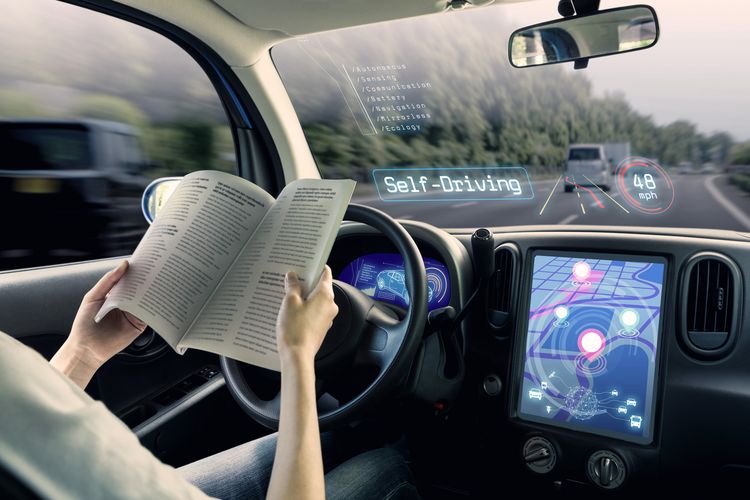
Autonome Systeme nehmen dem Menschen wichtige Entscheidungen ab. Was aber, wenn es ausweglos um Leben oder Tod geht? Sind derartige Ereignisse überhaupt normier- und programmierbar? Foto: iStockphoto/Chombosan This content is subject to copyright.
-

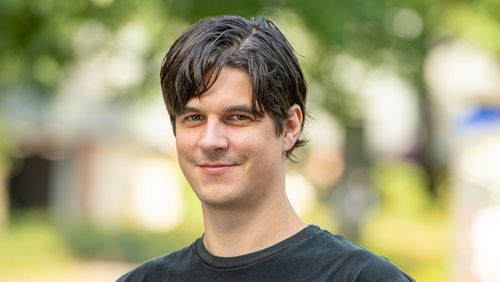
Prof. Dr. Werner Damm (l.) und Prof. Dr. Martin Fränzle: "Die Systeme müssen so programmiert werden, dass sie sich an ethischen Normen orientieren." Foto: Daniel Schmidt
Wenn Maschinen entscheiden




Topics
- Astronomy
- Biology
- Botanical garden
- Chemistry
- Computing Science
- Cooperations
- Covid
- Culture
- Dutch Studies
- Early Career
- Economics
- Educational Sciences
- Energy
- Energy Research
- Environmental Sciences
- Equal opportunities
- German Studies
- Graduate academy
- Health Services Research
- Higher Education Policy
- History
- Human Medicine
- International affairs
- Marine Sciences
- Material Culture
- Medical ethics
- Medical Physics and Acoustics
- Music
- Neuroscience
- People
- Philosophy
- Physics
- Presidential Board
- Psychology
- Research
- Slavic Studies
- Social Sciences
- Special Needs Education
- Sport Science
- Study Affairs
- Sustainability
- Teacher Education
- Theology
- Transfer
- University Medicine
- Ukraine
- Wind Physics