Neuromodulation of Motor and Cognitive Function in Brain Health and Disease (RTG 2783)

Neuromodulation of Motor and Cognitive Function in Brain Health and Disease (RTG 2783)

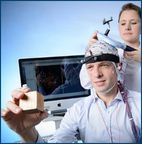
The Neuromodulation Research Training Group (RTG) comprises different research projects on Neuromodulation of Motor and Cognitive Function in Brain Health and disease. Non-invasive neuromodulation has gained increasing attention to promote recovery of function after damage to the central nervous system. Although promising, neuromodulatory approaches are faced with several challenges including large interindividual variability in treatment success and insufficient knowledge on the neural mechanisms that co-occur with improvement of function. Aim of the RTG is to provide a transdisciplinary research environment that drives innovation in neuromodulation to pave the way towards patient tailored interventions in rehabilitation of neurological disorders.
The effectiveness and understanding of neural mechanisms of neuromodulation will be advanced in three domains: i) electric/ magnetic modulation, ii) pharmacological modulation, and iii) neurofeedback. Research will focus on modulation of motor function and interference control, which are both relevant for stroke and Parkinson’s disease.
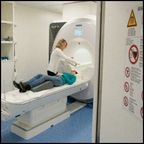
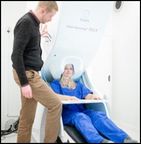
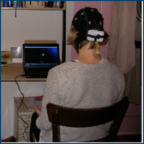
To capture and comprehensively describe treatment outcome of neuromodulatory interventions, students will have access to state of the art neuroimaging facilities. They will learn to assess behavioral and neural readouts derived from functional magnetic resonance imaging and electroencephalography. In addition, the research will integrate new developments in biomedical engineering such as mobile brain imaging or experience sampling as promising outcome measures of neuromodulation in daily life. Clinical translation will be fostered through collaboration with rehabilitation centers.
PIs contributing to this RTG have an excellent, complementary research profile covering neuromodulation, neuroimaging, neuropsychology, biomedical engineering, and health systems research. The RTG therefore builds upon and broadens the existing excellence in neurosensory science and health systems research at the School of Medicine and Health Sciences at the University of Oldenburg with the aim to advance neuromodulation and rehabilitation research and education.
The following diagram shows how the current research projects of the RTG Neuromodulation can be asigned to the areas of "Neuronal mechanisms of neuromodulation" and "Outcomes of neuromodulation in daily life".
