

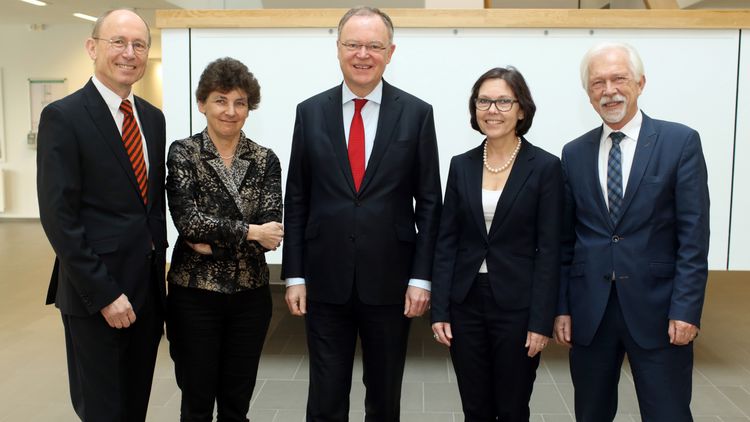
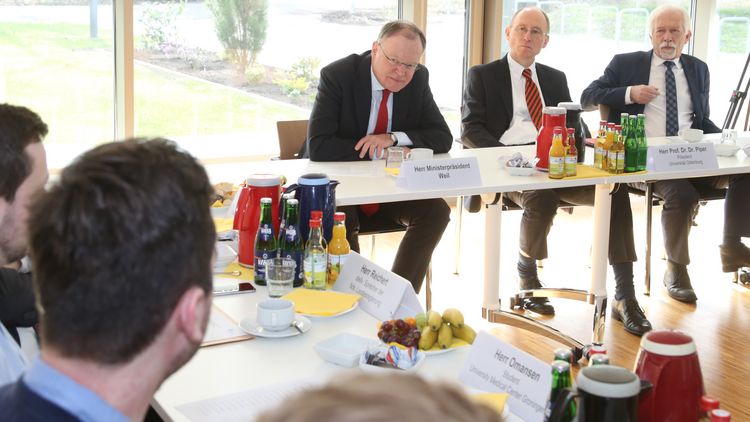
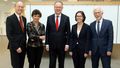
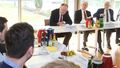
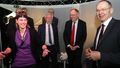
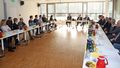
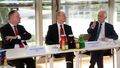

Bei seinem Besuch der European Medical School Oldenburg-Groningen hat Niedersachsens Ministerpräsident Stephan Weil die Medizinerausbildung gewürdigt. Im Forschungsbau NeSSy erhielt er exklusive Einblicke in den Studiengang und moderne Hörforschung.
Er sei nach Oldenburg gekommen, um sich schlauer zu machen, sagte der Ministerpräsident. 90 Minuten habe er mitgebracht – "gegebenenfalls mit Nachspielzeit", fügte er gut gelaunt hinzu. "Sie können davon ausgehen, dass wir noch einiges vorhaben mit der Medizinerausbildung in Oldenburg. Es ist ein überzeugendes Konzept."
Als Ministerpräsident eines Flächenlandes liege ihm die medizinische Versorgung in den ländlichen Räumen besonders am Herzen, sagte Weil. Die konventionelle Medizinerausbildung habe offensichtlich nicht genug dazu beitragen können, einem Ärztemangel auf dem Land vorzubeugen. "Also müssen wir uns etwas einfallen lassen. Ich bin sehr gespannt, ob der Oldenburger Weg uns an dieser Stelle weiterbringt," ergänzte er.
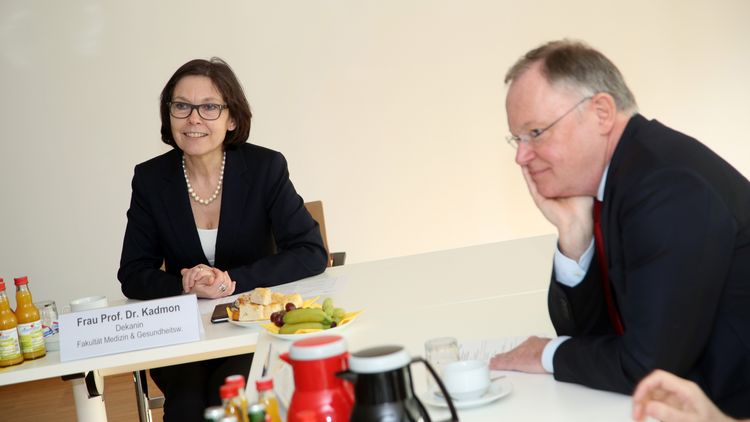
Inwiefern die neuartige Medizinerausbildung der EMS hier helfen könnte, stellte Prof. Dr. Martina Kadmon vor, kommissarische Dekanin der Fakultät VI. „Vom ersten Tag an prägt ein starker Praxisbezug den Alltag unserer Studierenden. Zweimal jährlich hospitieren sie in allgemeinmedizinischen Praxen der Region und bekommen so von Beginn an einen realistischen Einblick in die Herausforderungen des Arztberufs“, sagte Kadmon.
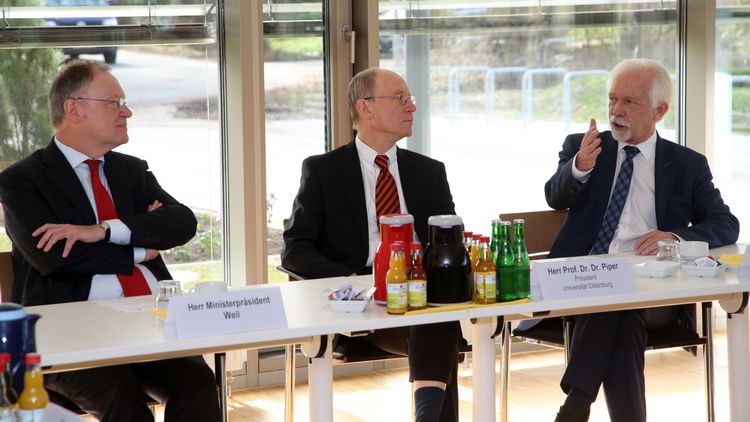
Universitätspräsident Prof. Dr. Dr. Hans Michael Piper hob den bereits jetzt sichtbaren Erfolg des Studiengangs hervor: „Die Erwartungen an unseren Modellstudiengang waren von Beginn an sehr hoch. Heute, rund vier Jahre nach dem Start, haben wir die Gewissheit: Das Studienkonzept der EMS geht auf, die Studierenden sind begeistert und ihre Leistungen und Kompetenzen sind hervorragend.“
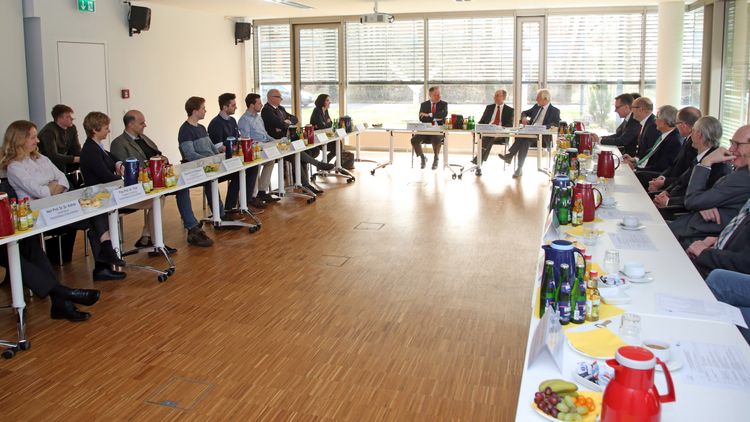
Der Ministerpräsident sprach auch mit Studierenden aus Oldenburg und Groningen und erfuhr so aus erster Hand, wie der ärztliche Nachwuchs seine Ausbildung in der EMS beurteilt. Dr. Veysel Ödemis zeigte wie virtuelle Mikroskopie funktioniert und gab so einen Einblick in moderne digitale Lehrmethoden in der Anatomie. Diese Arbeiten sind Teil des Projekts „Virtueller Präpariersaal“, das in Kooperation mit der Groninger Fakultät vorangetrieben wird.
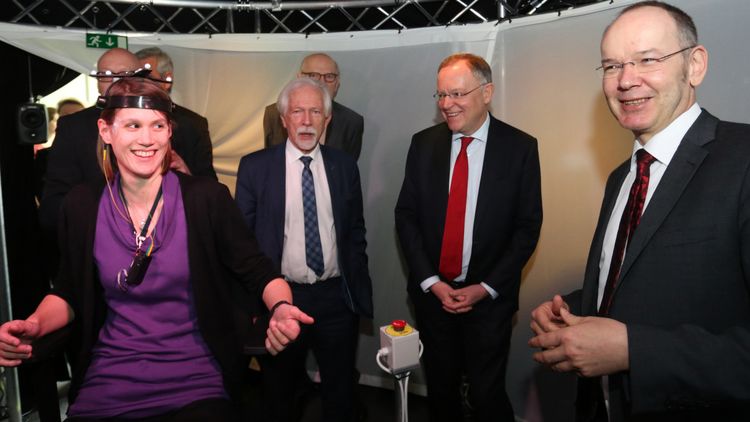
Auf dem Besuchsprogramm stand zudem das neu eingerichtete „Virtual Reality Lab“ (VR Lab) des Exzellenzclusters „Hearing4all“. Dabei handelt es sich um einen akustisch gedämpften Raum, um dessen Mittelpunkt herum zahlreiche Lautsprecher angeordnet sind. Hochauflösend werden hier komplexe Hörsituationen simuliert, die eine 180-Grad-Leinwand gleichzeitig visualisiert. Das VR Lab soll dazu beitragen, das Ziel eines smarten, raumbewussten Hörgeräts Realität werden zu lassen.