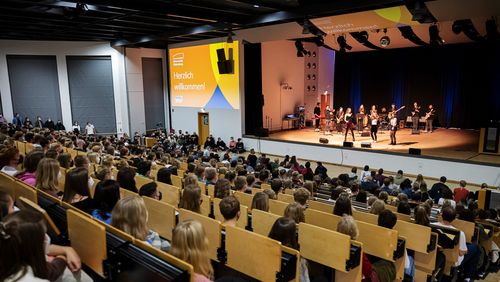



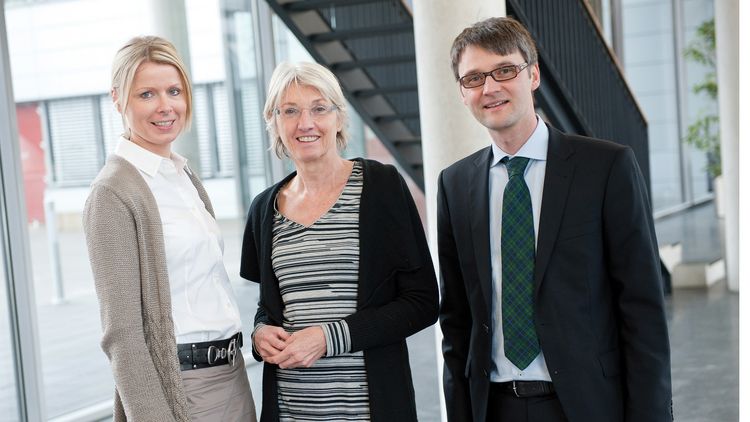






Wir brauchen flexible Studienstrukturen für Berufstätige, sagen die Oldenburger Hochschullehrer Anke Hanft, Heinke Röbken und Olaf Zawacki-Richter. Denn: Deutsche Universitäten sind unzureichend auf die Anforderungen des lebenslangen Lernens ausgerichtet.
Von Anke Hanft, Heinke Röbken und Olaf Zawacki-Richter
Der „Normalstudierende“ ist immer noch die Figur, an der sich deutsche Hochschulen ausrichten. Sein Weg ist vorgezeichnet: Er beginnt sein Studium nach dem Abitur. Nach dem Masterabschluss wechselt er in die Berufstätigkeit. Die Organisation für wirtschaftliche Zusammenarbeit und Entwicklung (OECD) hat längst eine andere Stoßrichtung vorgesehen. Sie empfiehlt die Studierquote zu steigern – indem der Weg ins Studium auch für andere Gruppen frei wird. Zum Beispiel für Studienberechtigte aus einkommensschwachen und bildungsfernen Familien oder für Studierwillige, die bereits beruflich qualifiziert sind.Berufstätige kommen im Regelstudium nicht vor Doch in dem bundesweit vorherrschenden Regelstudium kommen Berufstätige kaum vor. Eine Arbeitstätigkeit der Studierenden hat sich dem Studium unterzuordnen und sollte auf die Semesterferien begrenzt sein. Es gelten: Vollzeitstudium im Semesterrhythmus mit über die ganze Woche verteilten Anwesenheitspflichten. Kaum eine Hochschule rechnet berufliche Kompetenzen für das Studium an. Und entwickelt Studienangebote, die gezielt auf die Anforderungen Berufstätiger zugeschnitten sind. Das deutsche Hochschulsystem kennt nur einen Königsweg für ein erfolgreiches Studium: das Abitur. Dabei entspricht diese Ausrichtung am „Normalstudierenden“ längst nicht mehr der Realität. Der Anteil berufserfahrener Studierender in Deutschland liegt nach Zahlen einer 2010 veröffentlichten Sozialerhebung des Deutschen Studentenwerks und des Hochschul-Informations-Systems mit 64 Prozent im internationalen Vergleich überdurchschnittlich hoch. Knapp ein Viertel aller Studierenden haben eine Berufsausbildung vor dem Studium absolviert. Im Jahr 2009 waren 66 Prozent aller Studierenden „nebenbei“ erwerbstätig. Die Zahl der erwerbstätigen Studierenden steigt mit dem Alter an und liegt bei 79 Prozent der 30-Jährigen.Zahl der berufstätigen Studierenden steigt Es liegt also auf der Hand: Berufstätigkeit und Studium sind sehr viel stärker miteinander verzahnt, als es die Hochschulen wahrnehmen wollen. Und das, obwohl die Zahl der berufstätigen oder berufserfahrenen Studierenden steigen wird. Wenn sich ihnen die Möglichkeit bietet, werden viele Bachelor-Absolventen in die Erwerbstätigkeit wechseln und erst später – berufsbegleitend – zu einem Masterstudium an die Hochschulen zurückkehren. Hochschulpolitik und die Hochschulen müssen einiges leisten, um besser vorbereitet zu sein – auf die veränderten Anforderungen ihrer bisherigen Zielgruppe, aber auch auf neue Zielgruppen. Die Politik hat erste Weichen bereits gestellt. So hat die Kultusministerkonferenz mit einem Beschluss im Jahr 2009 die Voraussetzungen für einen erweiterten Hochschulzugang geschaffen. Seitdem haben Meister, Techniker, Fachwirte und Inhaber gleich gestellter Abschlüsse den allgemeinen Hochschulzugang; beruflich Qualifizierte ohne Aufstiegsfortbildung haben den fachgebundenen Hochschulzugang.Künftig gemeinsam im Hörsaal: Abiturient und Raumausstatter Für das deutsche Bildungssystem ist die Regelung äußerst weitreichend. Der Hochschulforscher Andrä Wolter schätzt, dass nunmehr etwa 75 Prozent der deutschen Bevölkerung studieren könnte. Der Abiturient sitzt neben dem Gärtner, der Biologie studiert. Oder neben dem Raumausstatter, der sich für das Studium der Materiellen Kultur entschieden hat. Darauf müssen wir künftig vorbereitet sein. Um die Attraktivität eines Studiums für Berufstätige zu erhöhen, hat die Kultusministerkonferenz, in Einklang mit den Vorgaben des Bologna-Prozesses, bereits im Jahr 2002 die Voraussetzungen für eine weitere Neuerung geschaffen – die in den Hochschulen allerdings bislang kaum bekannt ist. In den ländergemeinsamen Strukturvorgaben der Kultusministerkonferenz vom 4. Februar 2010 heißt es, dass „nachgewiesene gleichwertige Kompetenzen und Fähigkeiten, die außerhalb des Hochschulbereichs erworben wurden (...) bis zur Hälfte der für den Studiengang vorgesehenen Leistungspunkte anzurechnen“ sind. Soll heißen: Berufstätige können sich berufliche Kompetenzen auf das Studium anrechnen lassen, sofern die Kompetenzen den zu erbringenden Leistungen im Studium entsprechen. Im besten Fall kann sich die Studienzeit für Berufserfahrene dadurch um die Hälfte reduzieren.Dringend benötigt: Flexible Studienstrukturen für Berufstätige Was sich nach einem Durchbruch für studieninteressierte Berufstätige anhört, stößt in der Praxis allerdings auf weitreichende Hemmnisse. Da sind die Quotierungen bei den zulassungsbeschränkten Studiengängen, die die Zahl der berufserfahrenen Studierenden begrenzen. Viel entscheidender ist aber noch die Tatsache, dass die Angebotsformate nicht auf die Anforderungen Berufstätiger zugeschnitten sind. Empirische Studien belegen seit langem: Die Öffnung der Hochschulen für neue Zielgruppen, wie sie mit den Beschlüssen der Kultusministerkonferenz eingeleitet wurde, ist allein nicht hinreichend. Sie bedarf vielmehr flankierender Maßnahmen. Wir brauchen Beratungs- und Betreuungsangebote bereits vor Beginn des Studiums, aber auch in der ersten Studienphase. Genauso erforderlich sind flexible Studienstrukturen, abgestimmt auf die zeitlichen Beschränkungen und Vorerfahrungen der Berufstätigen und Berufserfahrenen.In Entwicklung: Berufsbegleitende Studiengänge in Naturwissenschaft und Technik Statt in Regelstudienzeiten, Semesterrhythmen und Stundenplänen zu denken, müssen wir das Studium räumlich und zeitlich entgrenzen. Studierende sollten ihr Studium flexibel und bedarfsgerecht auf ihren – gern auch hochschulübergreifenden – Bildungsabschluss hin organisieren können. Vieles davon hat die Universität Oldenburg bereits umgesetzt – als eine der wenigen deutschen Hochschulen in Deutschland. Sie hat Studiengänge eingerichtet, die konsequent auf die Lernbedarfe Berufstätiger ausgerichtet sind. Die Studierenden können ihre beruflichen Kompetenzen auf einzelne Studiengänge anrechnen lassen. Und mit der erfolgreichen Teilnahme am BMBF-Wettbewerb „Aufstieg durch Bildung: offene Hochschule“ entwickeln wir künftig auch hochwertige berufsbegleitende Studiengänge in naturwissenschaftlichen und technischen Feldern. Mit Master-Studiengängen in den Bereichen Renewable Energy, Windenergiesysteme, Umweltwissenschaften, Bauphysik und Akustik möchte die Universität insbesondere Berufstätige und Personen mit Familienpflichten ansprechen und für ein Hochschulstudium gewinnen.Mit dem Lifelong Learning Campus übernimmt die Universität eine Vorreiterrolle Seit Ende des vergangenen Jahres verfügt die Universität mit dem Lifelong Learning Campus auch über die räumlichen Voraussetzungen, um den Anforderungen berufstätiger Studierender gerecht zu werden – und nimmt damit eine Vorreiterrolle in der deutschen Hochschullandschaft ein. Auf dem neuen Campus sind alle Einrichtungen zusammengeführt, die sich mit Fragen der Weiterbildung und des lebenslangen Lernens in Forschung und Lehre befassen. Das Center für Lebenslanges Lernen (C3L) zählt zu den größten Einrichtungen dieser Art an deutschen Hochschulen und stellt wissenschaftlich fundierte praxisnahe Studienangebote für berufstätige Studierende bereit. Mit diesen Angeboten will die Universität die Durchlässigkeit zwischen beruflicher Bildung und Hochschulbildung erhöhen und neue Zielgruppen über flexible Bildungswege für Hochschulen gewinnen. Lebenslanges Lernen muss das gesamte Hochschulsystem durchdringen Mit der Bündelung aller Ressourcen der wissenschaftlichen Weiterbildung in Forschung und Lehre auf dem Lifelong Learning Campus ist die Universität Oldenburg der Umsetzung des Lebenslangen Lernens ein großes Stück näher gerückt. Lebenslanges Lernen geht aber nicht nur die Universität Oldenburg, sondern alle Hochschulen an. Lebenslanges Lernen muss das gesamte Hochschulsystem durchdringen. Nehmen öffentliche Hochschulen diese Herausforderungen nicht an, ist es schlecht um ihre Wettbewerbsfähigkeit bestellt. Es ist sogar zu befürchten, dass die von der OECD aufgezeigten Defizite langfristig nicht nur die öffentlichen Hochschulen schwächen, sondern die gesamte deutsche Wettbewerbsfähigkeit. Der Meinungsbeitrag von Anke Hanft, Heinke Röbken und Olaf Zawacki-Richter ist in der Frühjahrsausgabe des EINBLICKE-Forschungsmagazins erschienen.