


Kann man Meteoriten-Einschläge auf der Erde vorhersagen? Eine Gruppe internationaler Wissenschaftler will genau das versuchen. Zusammen mit der europäischen Weltraumagentur ESA wird der Strahlenphysiker Björn Poppe eine entsprechende Einrichtung an der Universität aufbauen.
Dort sollen Forscher den Eintritt von Meteoroiden in die Erdatmosphäre erfassen, bewerten und modellieren. Auf diese Weise erhoffen sie sich, auch Vorhersagen über die potenzielle Einschlagsgefahr auf der Erde machen zu können.
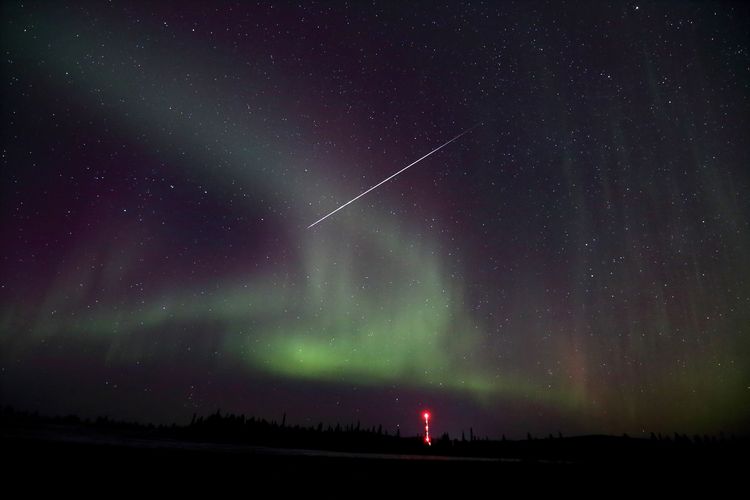
Das Physiker-Team um Prof. Dr. Björn Poppe untersucht sogenannte erdnahe Objekte wie Asteroiden, die einen Durchmesser von mehr als einem Meter haben, und die kleineren Meteoroiden. Diese können bei ihrem Umlauf um die Sonne die Erdbahn kreuzen und bergen daher eine Kollisionsgefahr. Tritt ein Meteoroid oder Asteroid in die Erdatmosphäre ein, fängt er an zu glühen. Diese Leuchterscheinung nennt man Meteor oder Sternschnuppe. Manche Meteore – sogenannte Feuerkugeln – leuchten besonders hell, deutlich heller als alle für uns sichtbaren Planeten. Verglühen die Meteore nicht vollständig, können die Reste auf den Erdboden fallen. Diese Überbleibsel bezeichnen Physiker dann als Meteorit.
Die bekannteste Feuerkugel der vergangenen Jahre ist im Februar 2013 über der russischen Stadt Tscheljabinsk explodiert. Mehr als 1.500 Menschen wurden verletzt, zudem entstand erheblicher Sachschaden. Um mehr über solche Ereignisse zu erfahren und sie eines Tages möglicherweise sogar vorhersagen zu können, wollen Experten aus verschiedenen Forschungseinrichtungen in Deutschland, Frankreich und den Niederlanden künftig enger zusammenarbeiten. Die Einrichtung, die an der Universität Oldenburg in Kooperation mit der ESA entstehen soll, wird Einschläge in ganz Europa analysieren. Im Zuge dessen konnten bereits zwei Promotionsstellen geschaffen werden; geplant sind zwei weitere.
Kürzlich trafen sich die internationalen Forscher zu einem zweitägigen Auftakt-Workshop in Oldenburg. Diesen hatte der langjährige ESA-Mitarbeiter und international renommierte Asteroidenforscher Dr. Gerhard Drolshagen organisiert. Poppe und Drolshagen arbeiten bereits seit einiger Zeit erfolgreich zusammen. In der Folge sind in den vergangenen Jahren mehrere Oldenburger Forscherinnen für ihre herausragende Arbeit in der Astrophysik mit anerkannten Nachwuchspreisen ausgezeichnet worden. Nun konnte Poppe Drolshagen nach dessen Eintritt in den Ruhestand für die Mitarbeit in der Arbeitsgruppe gewinnen und so die Kompetenz und internationale Sichtbarkeit der Oldenburger in dieser Disziplin noch einmal deutlich erhöhen. Als einen der ersten Schritte streben die Wissenschaftler eine Kooperation mit einem globalen Netzwerk von Infraschall-Stationen an, die Feuerkugel-Einschläge weltweit erfassen.
„Die Erde wird mehrfach pro Jahr von Objekten getroffen, die im Durchmesser größer als ein Meter sind“, sagt Drolshagen. Da dies meist Wasserflächen betreffe, bekomme die Öffentlichkeit davon in der Regel nichts mit. Wenn jedoch – wie 2013 in Russland – ein Objekt mit Land kollidiere, sei der Schaden häufig immens. Das Problem: Teleskope können die Objekte aufgrund ihrer vergleichsweise geringen Größe in der Regel nicht rechtzeitig erkennen. „Die beste Möglichkeit, mehr über die Häufigkeit und die damit verbundenen Risiken zu erfahren, besteht daher in der Sammlung, Analyse und Modellierung des Auftretens dieser sichtbaren Ereignisse in der Atmosphäre“, ergänzt Poppe.