

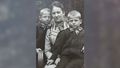
Studierende des Instituts für Geschichte haben mehr als 500 Briefe aus dem Ersten Weltkrieg analysiert, die nahezu unberührt in einem Keller in Herford lagerten. Ihre exklusiven Einblicke in das Leben der „Zwei Brüder im Großen Krieg“ stellen sie am 19. November bei einer Lesung in Hude vor.
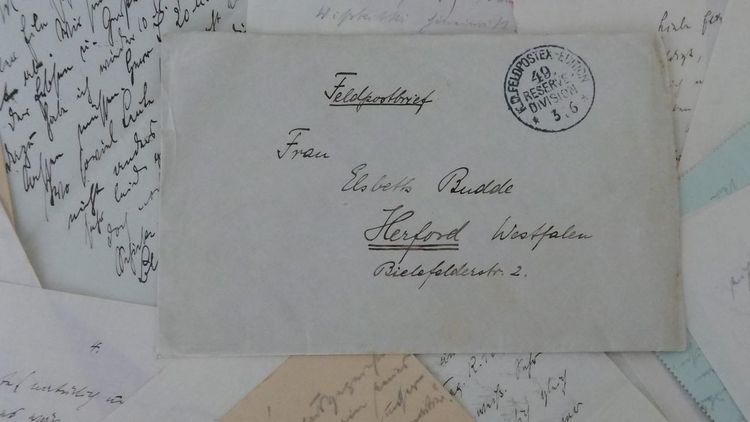
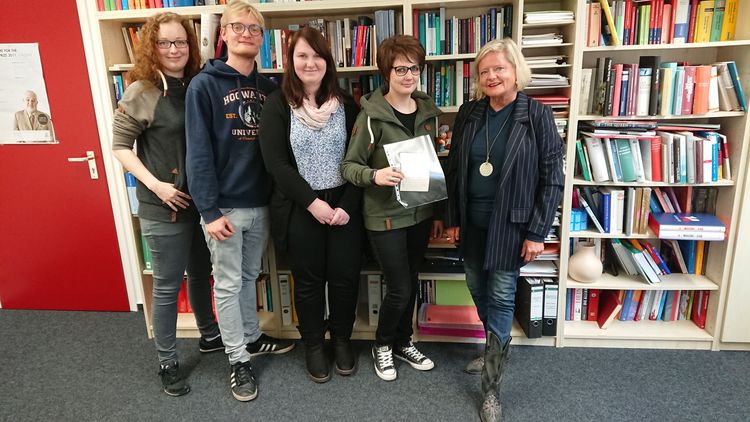
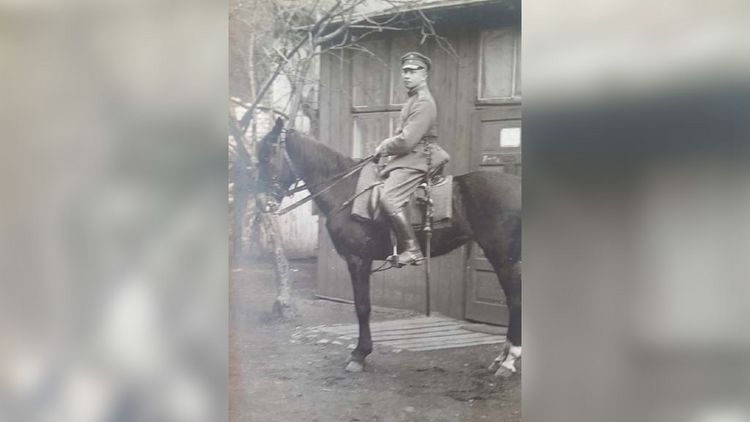
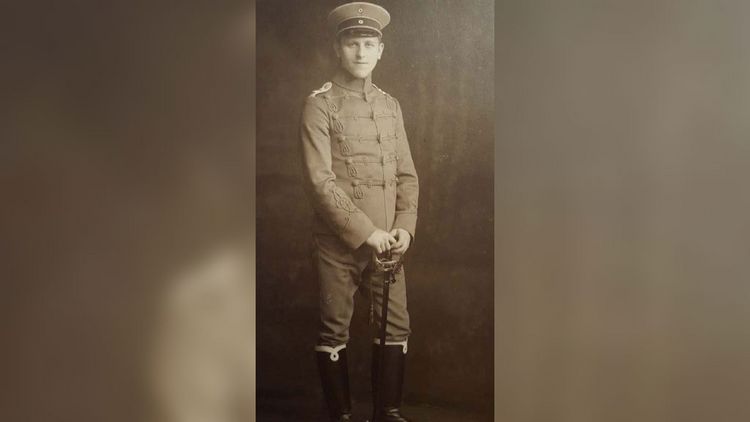
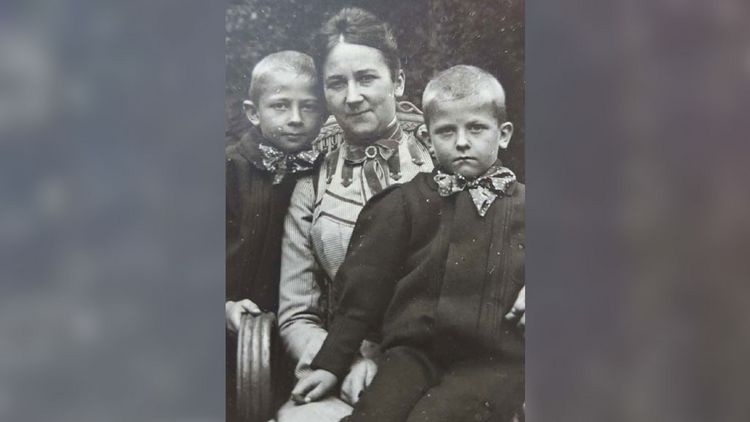
Wie mag es sich anfühlen, als Soldat monatelang in einem aussichtslosen Krieg zu kämpfen? Was schreibt man an die Lieben zu Hause? Und welche Nachrichten erhofft man sich aus der Heimat? Exklusive Einblicke in die Gedanken- und Gefühlswelt der Soldaten Ernst und Gerhard Budde konnten zwölf Geschichtsstudierende der Universität Oldenburg in den vergangenen drei Semestern gewinnen. In einem Seminar der Oldenburger Historikerin Prof. Dr. Gunilla Budde, Gerhards Enkelin, analysierten sie die Briefe, die die beiden Brüder aus dem Ersten Weltkrieg an ihre Mutter Elsbeth in Herford schickten – und deren Briefe an die Söhne. Die mehr als 550 Schriftstücke hatte Gunilla Budde vor einigen Jahren im Keller des elterlichen Hauses entdeckt und anlässlich des 100. Jahrestags des Kriegsendes zum Gegenstand einer Lehrveranstaltung gemacht.
Direkt an der Quelle
Ganz im Sinne des forschenden Lernens arbeiteten die Masterstudierenden direkt mit dem Quellenmaterial. Sie mussten die in Sütterlin-Schrift verfassten Briefe zunächst transkribieren, um sie überhaupt analysieren zu können. „Das war gar nicht so leicht, manchmal habe ich stundenlang versucht, ein einziges Wort zu enträtseln“, sagt Studentin Diana Schmack. Doch nach einigen Wochen hatte sie sich an die Schrift gewöhnt und kam deutlich schneller voran. Ihrer Kommilitonin Manuela Janssen gefiel die Arbeit mit den Originalquellen so gut, dass sie diese Methodik nun auch für ihre Masterarbeit anwendet. „Wir waren ja die ersten überhaupt, die diese Briefe aus einem wissenschaftlichen Blickwinkel heraus gelesen haben. Da lacht das Historikerherz“, sagt die junge Frau.
Durch die intensive Lektüre seien sie und ihre Kommilitonen tief in die Gedanken der beiden jungen Soldaten eingetaucht: Die Kriegslust, die bereits nach wenigen Wochen merklich abkühlte, spiegelte sich in den Briefen ebenso wider wie die bittere Erkenntnis, dass viele der Kameraden keineswegs edle Helden, sondern ziemlich raue Gesellen waren. Auch die mangelhafte Versorgung mit Lebensmitteln schimmerte durch – gepaart mit einem gewissen Unverständnis für die Situation zu Hause, wo auch nicht mehr alles so leicht zu haben war wie früher: „Wir brauchen hier keine Margarine, schick mir endlich die gute Butter!“
Typisch Familie
Neben diesen Einblicken in den Alltag an der Front sind es vor allem typische Familienstreitigkeiten, die die Studierenden herausgearbeitet haben. Die ewige Konkurrenz unter den Brüdern, das Gefühl, von der Mutter nach einer schweren Verwundung nicht genug Trost zu bekommen – wer zwei junge Männer so intensiv begleitet, entwickelt nach und nach eine Bindung zu ihnen. Umso größer war der Schock, als die Studierenden in den Schriftstücken ein Todestelegramm entdecken: Im nüchternen Ton wird Elsbeth im Sommer 1915 mitgeteilt, dass Ernst im Kampf gefallen ist. „Frau Budde hatte uns vorher nichts zum Schicksal der beiden gesagt. Wir waren irgendwie immer davon ausgegangen, dass sie beide überlebt haben. Der Tod von Ernst hat uns kalt erwischt“, erinnert sich Mareike de Wall. Ausgerechnet Ernst, Elsbeths Liebling. Das verschärft die gärenden Konflikte in der Familie, wie Gerhards und Elsbeths Briefe in den kommenden Monaten zeigen. Doch den Studierenden gelingt auch der Blick hinter die offensichtlichen Gefühle wie Wut und Trauer. „Die Briefe hatten etwas von einem Tagebuch. Wir haben viel über Ängste und Sorgen lesen können, auch wenn die beiden das natürlich nicht so deutlich formuliert haben“, sagt Björn Jeddeloh. Er wünscht sich mehr Lehrveranstaltungen wie diese. „Ich war unglaublich motiviert bei der Sache“, sagt er.
Das Engagement der Studierenden hält weiter an: Als Abschluss des dreisemestrigen Seminars erarbeiteten sie eine Posterpräsentation für die Woche des forschenden Lernens und konzipierten die Lesung, die sie bereits quer durch Oldenburg, nach Jever und natürlich ins ostwestfälische Herford geführt hat. Im kommenden Sommer soll zudem ein Buch mit allen Briefen von Ernst, Gerhard und Elsbeth erscheinen.
Lesung: „Zwei Brüder im Großen Krieg“ in Kooperation mit der Universitätsgesellschaft Oldenburg (UGO) am Montag, 19. November, um 19 Uhr in der Elisabeth-Kirche in Hude. Der Eintritt kostet 15 Euro.