

Die Oldenburger Postdoktorandin Pamela Rossel erforscht hydrothermale Quellen in der Tiefsee – kein Thema, das sich leicht vermitteln lässt. Im Projekt „Es war einmal ... wissenschaftliche Kurzgeschichten“ hat sich die Geochemikerin der Herausforderung gestellt.
Sie sehen sich als so eine Art „neue Generation von Wissenschaftlern“: Pamela Rossel und ihre rund 20 Mitstreiter, die in monatelanger Kreativ-Arbeit ihre Forschungsaktivitäten in Märchen, Kurzgeschichten, Gedichte und sogar Liebesromane verpackt haben. „Uns Doktoranden und Postdocs ist es sehr wichtig, unsere Arbeit nicht nur im wissenschaftlichen Kontext zu veröffentlichen, sondern auch hinaus in die Welt zu tragen“, sagt die 40-Jährige, die in der Brückengruppe „Marine Geochemie“ forscht, die das Oldenburger Institut für Chemie und Biologie des Meeres mit dem Bremer Max-Planck-Institut für Marine Mikrobiologie verbindet. Schließlich sei es in Zeiten des Klimawandels besonders wichtig, den Menschen zu vermitteln, wie Meer und Klima zusammenhängen und was jeder einzelne für eine lebenswerte Zukunft tun kann.
So zögerte Rossel nicht lang, als das Bundesforschungsministerium anlässlich des „Wissenschaftsjahres Meere und Ozeane 2016*2017“ den Hochschulwettbewerb „Zeigt eure Forschung“ für Studierende, Promovierende und Postdocs ausrief. Die Herausforderung: Die eigene wissenschaftliche Arbeit bestmöglich für die Allgemeinheit aufzubereiten. Unter dem Dach des MARUM – Zentrum für Marine Umweltwissenschaften an der Universität Bremen fanden internationale Meeresforscher aus verschiedenen Forschungseinrichtungen im Nordwesten zusammen und hoben das Projekt „Es war einmal ... wissenschaftliche Kurzgeschichten“ aus der Taufe. Das Ziel: Ein mehrsprachiges E-Book mit Geschichten für Erwachsene und Kinder herauszugeben. Als eines von 150 Projekten bewarben sie sich für das Fördergeld in Höhe von 10.000 Euro – und bekamen genau wie 14 weitere Gruppen den Zuschlag. Einzige Bedingung: Binnen eines Jahres müssen sie ihr Projekt umgesetzt haben.
Die Zeitvorgabe war für Rossel eine besondere Herausforderung: Nahezu zeitgleich mit der Bewilligung des Geldes kam ihr zweites Kind zur Welt. Rossel ist zwar in Elternzeit, arbeitete in den vergangenen Monaten aber trotzdem an dem Projekt weiter. „Es war manchmal gar nicht so einfach, alles unter einen Hut zu kriegen“, erzählt die Chilenin. Zum Glück sei ihr Jüngster ein eher ruhiges Baby, so dass sie immer mal wieder Zeit gefunden habe, an ihrer Geschichte zu arbeiten. „Ich bin daran gewöhnt, meinen Kindern Bücher vorzulesen. Aber selbst eine Geschichte zu schreiben, das war neu für mich“, sagt Rossel. Sie versuchte, sich in die Rolle eines Lesers hineinzuversetzen, der einfach eine schöne Geschichte lesen möchte – ohne dass viel wissenschaftliches Hintergrundwissen vorausgesetzt wird.
„Die Herausforderung war, trotzdem einige wissenschaftliche Fakten einfließen zu lassen, darum geht es bei dem Projekt ja“, stellt Rossel klar. Wie dieser Spagat gelingen kann, darüber tauschten sich die Nachwuchswissenschaftler auf monatlichen Treffen aus. Erfahrene Wissenschaftsjournalisten gaben ihnen wertvolle Tipps – zum Beispiel, dass es einfacher ist, die Geschichte erst einmal in der Muttersprache zu verfassen und sie später dann ins Englische und Deutsche zu übersetzen. So kommt es, dass das E-Book in mehreren Sprachen erscheinen wird – zunächst in Deutsch und Englisch, später dann vermutlich auch in Spanisch, Italienisch, Koreanisch, Chinesisch, Hebräisch, Farsi und Filipino. Rossel und ihre Mitautoren hoffen, so möglichst viele Menschen erreichen zu können.
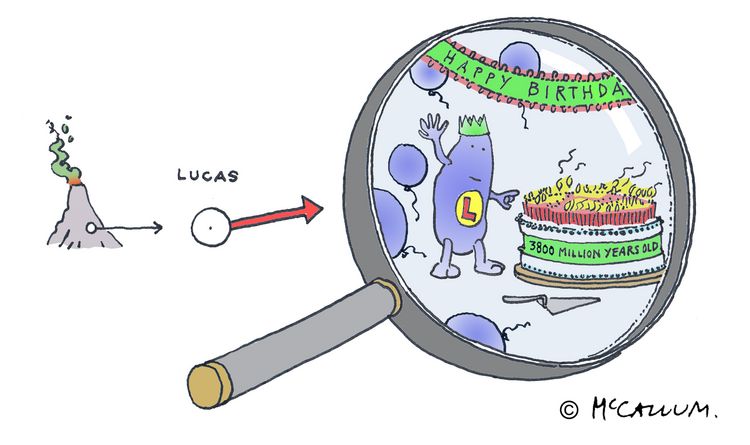
Die Geschichten handeln zum Beispiel von Babykorallen, die ihre gesamte Familie verlieren; kleine Lebewesen im Meeresboden, die sich aus Plastikpartikeln ein Zuhause bauen müssen oder Walen, die den Leser zu einer Reise in die Tiefsee einladen. Dort unten, am Meeresboden, lebt auch Pamela Rossels Protagonist Lucas. „Lucas ist ein Wesen aus den Vulkanen am Meeresboden“, erklärt Rossel. Er sei quasi unser Vorfahr, denn in diesen hydrothermalen Quellen hat – der aktuellen Lehre zufolge – das Leben begonnen. „Ich zeige, wie wichtig Lucas und die ersten Lebensformen in der Tiefsee für unsere biologische Vielfalt heute sind“, sagt die Autorin. Sie war eine der ersten aus der Gruppe, die ihre Geschichte fertig hatte. Nach und nach werden die Texte nun in einem Blog auf der Website des MARUM veröffentlicht. „Das machen wir ganz bewusst. Wir wollen schon in dieser frühen Phase eine breite Öffentlichkeit erreichen und erhoffen uns viel Feedback, das wir dann in unsere Geschichten einbauen können“, erklärt sie. Im Oktober soll das finale E-Book erscheinen.
Darin werden sich aber nicht nur zwölf Geschichten in mehreren Sprachen finden, sondern auch jede Menge Illustrationen. Hier arbeiteten die Wissenschaftler mit drei verschiedenen Künstlern zusammen. Jeder Autor konnte sich einen Illustrator aussuchen und die Gestaltung mit ihm entwickeln. „Die Zusammenarbeit war sehr spannend für mich“, erzählt Rossel. Gemeinsam seien sie sehr tief in Lucas‘ Geschichte eingetaucht. Das habe ihre Fantasie fürs Schreiben noch einmal beflügelt.
Insgesamt werde ihr „Es war einmal“ in guter Erinnerung bleiben. „Es war eine tolle Erfahrung und ich hoffe, dass ich so etwas in Zukunft öfter mal machen kann“, resümiert die Forscherin. Nun sei sie aber erstmal gespannt, wie die Leser auf ihre Geschichte reagieren. „Wir planen im Herbst auch einige Lesungen. Mal schauen, wie unser Buch außerhalb der Wissenschaft so ankommt.“