




Im November begrüßte die Universität Sendai 19 Partneruniversitäten aus 11 Ländern Asiens, Europas, Nordamerikas und Australiens zum Festakt ihres 50-jährigen Bestehens. Darunter auch die Universität Oldenburg, die seit 2010 über das Institut für Sportwissenschaft eine Kooperation mit der Sporthochschule im Norden der japanischen Hauptinsel Honshū unterhält.
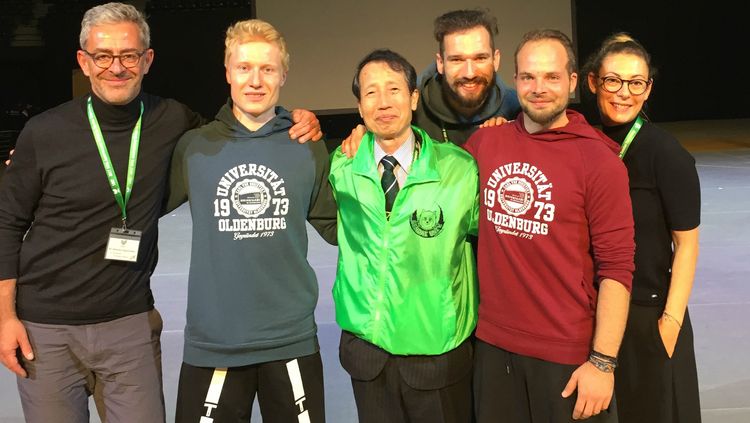
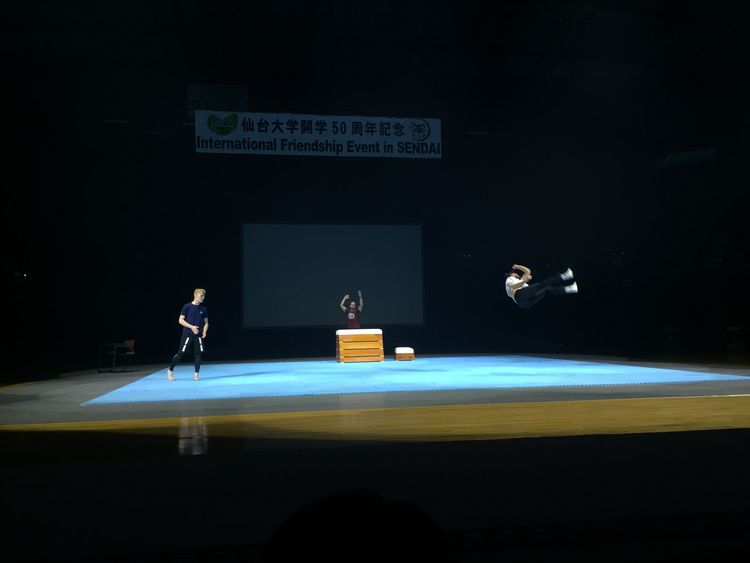
Wir – die Sportstudenten Sören Niewint, Patrick Weise und Mark-Robin Wirsching – waren mit an Bord, zusammen mit den Dozenten Dr. Nikolaus Buschmann und Rea Kodalle als Delegationsleitern. Im Gepäck hatten wir ein besonderes Gastgeschenk: Ein selbst produziertes Video, das unsere Universität vorstellt, sowie eine Performance, die das Spannungsverhältnis von klassischen Sportarten und modernen Bewegungsstilen thematisiert. Aufgeführt werden sollten sie auf dem Hauptevent der insgesamt dreitägigen Jubiläumsfeierlichkeiten, dem sogenannten „International Friendship Day“, auf dem sich auch die anderen Partneruniversitäten mit mehr oder weniger landestypischen, auf jeden Fall aber „sportlichen“ Beiträgen, präsentieren würden. Am 27. Oktober flogen wir, halbwegs überzeugt von unserem Konzept, im Airbus einer französischen Fluggesellschaft von Paris nach Tokyo und wussten nicht wirklich, was uns nach der insgesamt 20-stündigen Anreise in Japan erwarten könnte.
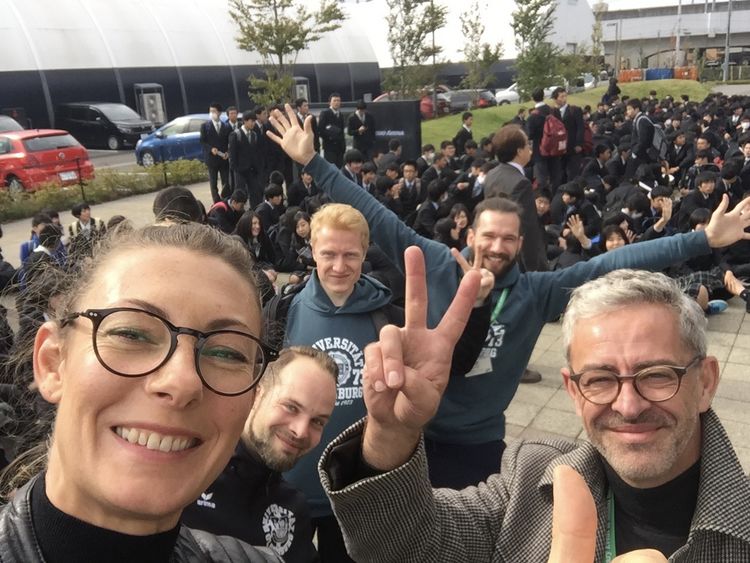
Nach der Landung auf dem Flughafen Narita und dem herzlichen Empfang der wohl nettesten Reisebetreuerin überhaupt – ihr Name war Nau – ging es mit dem japanischen Hochgeschwindigkeitszug „Shinkansen“ weiter in den Norden nach Sendai, dem Hauptort der Region Tōhoku und Verwaltungssitz der japanischen Präfektur Miyagi. Dort angekommen wurden wir von Professor Keiichi Komatsu, der die deutsch-japanische Kooperation gemeinsam mit Professor Thomas Alkemeyer seit Jahren mit Leben füllt, aufs Herzlichste empfangen. Angekommen im Hotel hieß es dann „bereitmachen“ für die ersten offiziellen Termine: Zunächst erfolgten die Vorstellung der Delegationen im Festsaal der Universität und die feierliche Enthüllung von Gedenksteinen für alle Partneruniversitäten. Im Anschluss an eine Führung über das beeindruckende Universitätsgelände bekamen wir die „Xebio-Arena“ in Sendai zu Gesicht, in der am 1. November der „International Friendship Day“ stattfinden sollte. Der erste Eindruck von der gigantischen Arena, unserer Bühne und dem zu erwartenden Publikum war einschüchternd. Es fühlte sich buchstäblich wie die Stadion-Szene aus „The Kings Speech“ an: Wir haben uns noch nie so klein gefühlt.
Nach der ersten Probe für die Zeremonie hatten wir ein wenig freie Zeit, die wir jedoch nicht, wie das Touristen üblicherweise tun, mit Sightseeing verbrachten, sondern im benachbarten IKEA-Einrichtungshaus: Noch immer etwas gerädert von der langen Anreise und dem intensiven Training nutzten wir in der Betten-Abteilung die Gelegenheit, ein wenig Schlaf nachzuholen ...
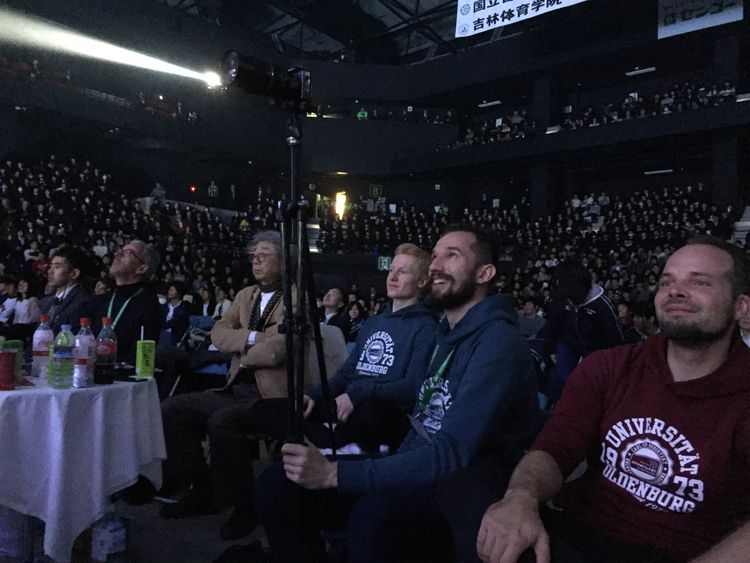
Vor unserem Auftritt am Folgetag wurden wir ein weiteres Mal zur Probe gebeten – morgens um 7:15 Uhr. Das war auch gut so, denn Lichtplan und Audiospur für unsere Performance passten zunächst hinten und vorne nicht. Halb so wild, es hat dann doch gut funktioniert, und wir konnten in der Generalprobe an weiteren Details feilen. Der Auftritt vor über 3.000 Zuschauern, überwiegend Studierende und Schüler aus Sendai und Umgebung, lief dann aller Aufregung zum Trotz viel besser als gedacht – oder vermutlich gerade deswegen: Das Publikum ging bei unserer Aufführung begeistert mit, wie auch die teilweise spektakulären Auftritte der übrigen Partneruniversitäten sowie insbesondere der Universität Sendai enthusiastisch gefeiert wurden.
Im Anschluss an das bemerkenswert vielseitige, großartige Event wurden alle Delegationen zu einer Abschlussparty eingeladen. Wir hatten so noch einmal die Möglichkeit, uns mit den internationalen Gästen, darunter Olympioniken und sogar Goldmedaillengewinner, auszutauschen, gemeinsam zu essen und zu trinken. Am Abend konnten wir schließlich noch ein letztes Mal Sendai erkunden, die hotelnahe Mall und die angrenzenden Straßen und Plätze. Was uns besonders in Erinnerung bleiben wird: Überall ist es unfassbar sauber und ruhig, und das in einer Millionenstadt wie Sendai. Die Menschen sind immer hilfsbereit, respektvoll und vor allem geduldig.
Zum Abschluss unserer kurzen, aber eindrucksvollen Reise stand Erholung auf dem Programm. Nach der langwierigen Vorbereitung auf das Event, die sich durch die gesamten Semesterferien gezogen hatte, und dem gelungenen Auftritt vor so vielen Menschen, hatten wir uns die Auszeit im hoteleigenen „Onsen“, japanisch für heiße Quellen, auf den Flaniermeilen der Stadt und in weiteren sehenswerten Orten auch redlich verdient. Beladen mit viel zu vollen Koffern und Unmengen gewonnener Erfahrungen machten wir uns schließlich auf den Weg zurück ins kalte, hektische Deutschland.
Vielen Dank allen Beteiligten - insbesondere Rea Kodalle, die uns mit ihrem Organisationstalent immer zur Seite stand, Dr. Nikolaus Buschmann, der die repräsentativen Termine wahrnahm, unserem japanischen Gastgeber Professor Keiichi Komatsu, seinem Gegenüber in Oldenburg Professor Thomas Alkemeyer, dem Institut für Sportwissenschaft und dem Team vom Hochschulsport, der Universitätsbibliothek sowie allen Kommilitoninnen und Freunden, die uns in den Semesterferien bei dem Videodreh und der Vorbereitung der Performance unterstützt haben. Ihr seid die Größten!
Sören, Robin und Patrick