

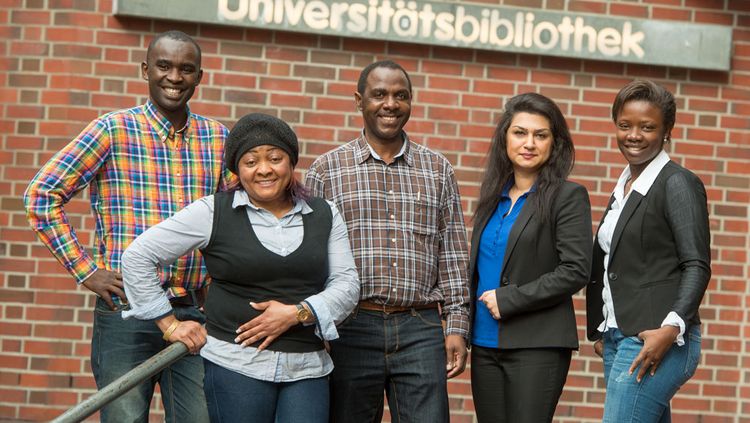
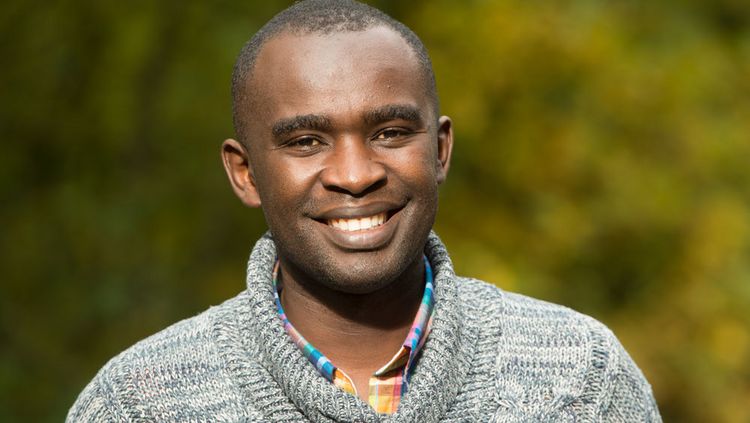


Geflüchteten Studierenden im Alltag helfen oder vielleicht gelegentlich ein Sofa zum Schlafen anbieten? Wer sich engagieren oder über weitere Möglichkeiten der Hilfe für Geflüchtete an der Uni informieren möchte, den lädt die studentische Initiative „Hochschule ohne Grenzen“ am Mittwoch ins Hörsaalzentrum ein. „Auf einmal war alles gestoppt. Es ist eigentlich, als wäre man tot und muss neu geboren werden.“ Maurice erinnert sich noch lebhaft an seine Ankunft im damals fremden Deutschland. Sein Studium in Ruanda hatte er abbrechen und fliehen müssen, vor acht Jahren war das. Nach Brüssel wollte er, dort lebten Bekannte, und er hoffte, sich dank seiner Französischkenntnisse schnell einzufinden. Doch Belgien schob ihn nach Deutschland ab – denn am Frankfurter Flughafen hatte er erstmals EU-Boden betreten. Von der Ankunft in einer Braunschweiger Erstaufnahmeeinrichtung bis hin zu seinem nun bevorstehenden Bachelorabschluss an der Universität Oldenburg war es ein langer Weg. Nun will Maurice, gemeinsam mit bislang sechs Kommilitonen, anderen geflüchteten Studierenden helfen und ihnen Wege an die Universität aufzeigen – eine neue Perspektive. „Hochschule ohne Grenzen“ haben sie ihr Projekt getauft, das teils auf ihren eigenen Erfahrungen beruht und für das sie möglichst viele Studierende und Beschäftigte der Universität begeistern möchten. Es besteht aus vier Säulen: Mentoring, Sprachtandems und -tutorien, finanzielle Hilfen über Patenschaften sowie Wohn- und Übernachtungsangebote – alles vermittelt über eine künftige Online-Plattform. Im Sommersemester begann die Gruppe, das Projekt innerhalb der Universität bekannt zu machen. „Wir sind im Aufbau, alles ist in Bearbeitung“, erzählt der 35-Jährige. Welche Nöte und Bedürfnisse viele geflüchtete Studierende haben und welche rechtlichen und finanziellen Hürden ihnen begegnen, weiß Maurice aus eigener Anschauung. Der bei seiner Flucht 27-Jährige, der daheim bereits seine Lehrerausbildung abgeschlossen und ein weiteres Studium begonnen hatte – Sozialwissenschaften und Ländliche Entwicklung – ahnte nicht, dass er fast vier Jahre lang auf das Bleiberecht in Deutschland würde warten müssen. Vor allem die zwei Jahre, die er in Sammelunterkünften im südlichen Niedersachsen verbrachte, bezeichnet er als „schlechte Erfahrung“. Schon damals habe er Deutschkurse besucht, aber das Lernen sei im Achterzimmer kaum möglich gewesen. „Zuflucht“ fand er dann bei Studierenden in Hannover, die ihn auf ihrem Schlafsofa regelmäßig übernachten ließen. „Sie haben mir geholfen, wegzukommen – von einem Ort ohne Perspektive, ohne Lernmöglichkeit. Nur Essen und Schlafen. Das ist verlorene Zeit.“ Auch nach Erhalt seines Aufenthaltstitels blieb Maurice in der Region – und lernte über das Kontaktstudium für pädagogisch vorgebildete Flüchtlinge die Uni Oldenburg kennen. „Das hat mir wieder den Weg an die Universität gezeigt und mich ermutigt, weiter zu studieren“, sagt Maurice. Inzwischen schreibt er im weiterbildenden Oldenburger Studiengang „Interkulturelle Bildung und Beratung“ seine Bachelorarbeit. Das nächste Ziel: ein Masterstudium der Erziehungs- und Bildungswissenschaft, Schwerpunkt Migration und Bildung. Und Maurice möchte das Engagement für geflüchtete Studierende weiter vorantreiben. So bemüht sich die Initiative „Hochschule ohne Grenzen“ darum, weitere Mitstreiter zu gewinnen: Uniangehörige, die sich zusammentun, um einen Betrag ihrer Wahl für eine Patenschaft zur Verfügung zu stellen und zum Beispiel eine Einschreibegebühr für einen Geflüchteten zu übernehmen. Studierende, die als Mentoren bei Behördengängen und beim Erstellen des Stundenplans helfen oder die die Sprachkenntnisse Geflüchteter im Sprachtandem oder einem Tutorium verbessern. Oder Wohngemeinschaften, die regelmäßig oder gelegentlich einen Schlafplatz anbieten könnten. „Die Universität tut viel dafür, dass diejenigen, die an der Uni ihren Platz finden wollen, diesen auch finden können“, sagt Maurice. „Und wir wollen dabei helfen.“
- Infoveranstaltung am Mittwoch, 18. November, von 18.00 bis 21.00 Uhr im Hörsaalzentrum (A14), Hörsaal 2
- Programm (PDF)