

Vor 250 Jahren wurde Johann Christian Friedrich Hölderlin geboren – einer der berühmtesten deutschen Lyriker überhaupt. Im Interview spricht der Oldenburger Philosoph Johann Kreuzer über das Faszinierende an Hölderlins Werk und dessen Rolle in der Philosophiegeschichte.
Herr Prof. Dr. Kreuzer, Hölderin kannte Goethe und Schiller und war befreundet mit wichtigen Philosophen wie Schelling und Hegel. Über Hölderlins Leben ist vielen aber vor allem Eines bekannt – nämlich dass der Dichter seine zweite Lebenshälfte scheinbar verrückt in einem Tübinger Turmzimmer verbrachte. Ist diese Vorstellung überhaupt richtig?
Hölderlin hatte eine Erkrankung, eine Psychoseerfahrung, das ist eindeutig. Doch das Bild vom verrückten Dichter hat vor allem der Dichter und Schriftsteller Wilhelm Waiblinger, der Hölderlin ab 1822 besuchte und mit ihm spazieren ging, geprägt. Zuvor, im Jahr 1805, hatte ein Arzt aus Nürtingen in einem Gutachten geschrieben, dass Hölderlins „Wahnsinn in Raserey übergegangen“ sei. Man muss dazu aber wissen: Wir befinden uns in der Zeit nach der Französischen Revolution. Auch in Württemberg gab es Kreise, die sich Gedanken darüber machten, wie das autoritäre Herrschaftssystem geändert werden könnte. Mit diesen Leuten war Hölderlin befreundet, wie zum Beispiel Isaac Sinclair. Mit ihm hatte er im Juni 1804 an einem Abendessen teilgenommen, bei dem ein Denunziant zugegen war. Sinclair wurde in einem Hochverratsprozess verurteilt. Das Gutachten des Nürtinger Arztes hat Hölderlin also letztlich vor politischer Verfolgung geschützt.
Hölderlin kam als 36-Jähriger ins Tübinger Universitätsklinikum und wurde 1807 entlassen mit einem Attest, er habe noch zwei bis drei Jahre zu leben.
Dann hat er aber noch 37 Jahre gelebt im Gebäude des Schreinermeister Zimmer am Neckar in Tübingen. Zimmer hatte Hölderlins Briefroman „Hyperion“ gelesen. Der erste Band des Romans war 1797, der zweite Band 1799 erschienen. Zimmer war fasziniert davon und wollte Hölderlin helfen. Nach Zimmers Tod übernahm seine Tochter Charlotte die Pflege. Hölderlin hatte in seinem Turmzimmer seine Ruhe, ein geschütztes Umfeld. Da waren ja noch andere Leute, die dort Zimmer hatten, mit ihnen hat Hölderlin Karten gespielt oder Pfeife geraucht. Aber er war nervös! Das sieht man etwa daran, dass der Schreinermeister Zimmer in den ersten Jahren Hölderlins Mutter oft Rechnungen über Schuhsohlen geschickt hat. Der Dichter ist wohl viel im Gang auf und ab gegangen.
Wie kam es dazu, dass Sie sich als Philosoph mit dem Lyriker Hölderlin beschäftigen?
Es gibt von Hölderlin nicht nur Dichtung und den berühmten Roman „Hyperion“, sondern auch theoretische Texte, meist Fragmente. Gegenstand meiner Dissertation waren die beiden wichtigsten dieser theoretischen Fragmente. In ihnen hat er sich das Verständnis, was dichterische Sprache begründet und erforderlich macht, was Sprache leisten kann und soll, erarbeitet. Das sind bewusstseinstheoretische, geschichts- und sprachphilosophische Überlegungen. Die haben mich angezogen.
Welche Rolle spielt Hölderlin denn in der Philosophiegeschichte?
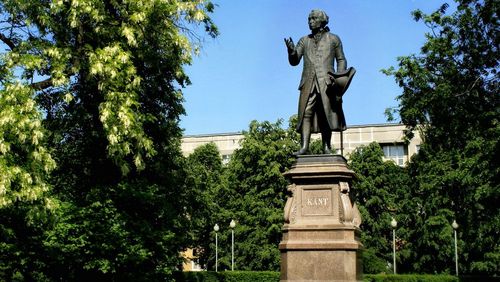
Hölderlin ist eine der zentralen Gestalten in der Formierungsphase des deutschen Idealismus – vor allem in der Diskussion um 1800 im Anschluss an die durch Immanuel Kant angestoßene Revolutionierung des philosophischen Denkens. Ein zentraler Punkt bei Kants Hauptwerk „Kritik der reinen Vernunft“ ist: „Das: Ich denke, muss alle meine Vorstellungen begleiten können.“ Das bedeutet: Selbstbewusstsein ist als ein um sich wissendes Selbstverhältnis zu denken. Das ist die Grundstruktur für das, was Hegel später „Geist“ nennt – also die Instanz, die sich als Beziehung-auf-sich in der Beziehung-auf-anderes erkennt und dadurch wirklich ist. Das unterscheidet Bewusstsein von dem, worauf es sich bezieht. Meine These ist, und die würde ich wild verteidigen, dass es ursprünglich originäre Einsichten Hölderlins waren, auf deren Grundlage Hegel seine Gedanken entfaltete. So war Hölderlin bereits im Wintersemester 1794/95 im Kolleg des Jenaer Philosophen Johann Gottlieb Fichte. Als Reaktion auf das, was Fichte dort zur Diskussion stellte, machte er sich auf einem aus einem Buch herausgerissenen Vorsatzblatt Notizen, die als so etwas wie die Geburtsurkunde des spekulativen Idealismus gelten können. Dieses Blatt ist jedoch erst 1961 unter dem Titel „Urtheil und Seyn“ herausgegeben worden. Spätestens seit dieser Zeit aber war die Bedeutung Hölderlins in der Entwicklung des Deutschen Idealismus klar.
Was ist für Sie das Besondere an Hölderlins Gedichten?
Mich fasziniert vor allem die Sprachwirklichkeit. Man muss dazu sagen: Viele der bedeutenden Gedichte sind nur Fragmente. Aber es gibt beispielsweise die Elegie „Brot und Wein“, von der man eine gesamte Reinschriftfassung hat. Die erste Strophe beginnt so: „Ringsum ruhet die Stadt; still wird die erleuchtete Gasse/ Und, mit Fackeln geschmückt, rauschen die Wagen hinweg /…“ Bereits der Dichter Clemens Brentano hat die ganze erste Strophe in höchsten Tönen gelobt, das sei ein bisher unerreichter Maßstab dichterischer Sprache. Ein weiteres Zitat hat mich bereits als Student beeindruckt. Ich hatte es in einem Programmheft für eine Inszenierung von Hölderlins „Der Tod des Empedokles“ an der Berliner Schaubühne gelesen: „Bald aber wird, wie ein Hund, umgehn/ In der Hizze meine Stimme auf den Gassen der Gärten …“. Das habe ich damals gelesen und gedacht: Das habe ich verstanden. Und dann habe ich mich gefragt: Was habe ich da verstanden? So ging es los.
Und was ist Ihnen damals durch den Kopf gegangen?
Hölderlin erwähnt ja nicht „ich sehe dies und das“. Vielmehr teilen die Verse Subschichten der Sprache mit in einer Weise, wie es vielleicht nur noch die Musik schafft. Der Hölderlin-Sound ist unverkennbar. In dem 1961 herausgegebenen Text, den ich oben erwähnt habe, ist es so formuliert, dass sich etwas „in Sprache mitteilt“. Das hat eine Doppeldeutigkeit, denn „sich mitteilen“ heißt für Hölderlin nicht nur kommunizieren, sondern auch, dass etwas geteilt wird und so erst mitteilbar wird.
Was bedeutet das konkret?
Jeder Satz hat die Form eines Urteils – ‚teilt‘ also, was ursprünglich als „sinnliche Gewißheit“, wie Hegel es nennt, ‚Eines‘ ist. Dieses Eine kann man selbst nicht sagen, weil die Wörter in Sätzen ja immer urteilen. Aber man kann, was sich den Wörtern entzieht, in der Form, mit dem die Wörter in der Sprache gefügt sind, mitteilen. In Hölderlins Gesang „Friedensfeier“ heißt es etwa, dass „wenn die Stille kehrt auch eine Sprache sei“. Sprache reduziert sich nicht auf propositionale Gehalte – also ‚Bedeutungen‘, die wir ‚kommunizieren‘. Sondern sie hat auch eine sinnliche, gestische und musikalische Dimension. Diese Dimension in sprachlicher Form zu fassen – das ist das Faszinierende an Hölderlin. Das zeichnet seine Sprache aus. Dabei ist es übrigens nicht entscheidend, ob ein Text oder Gedicht fertig ist. Es kommt auf den Akt der Sprachfindung an.
Warum ist Hölderlin heute noch aktuell?
Hölderlin ist ja vor allem eine Entdeckung des 20. Jahrhunderts. Das zeigt sich in zwei großen Autoren des vergangenen Jahrhunderts: So hat der Philosoph Martin Heidegger einmal gesagt, dass es das Ziel seiner Arbeit sei, „dem Wort Hölderlins das Gehör zu verschaffen“. Im Interview mit dem Nachrichtenmagazin „Spiegel“ gar nennt er Hölderlin den „Dichter, der in die Zukunft weist“. Aber auch für Heideggers Antipoden, für Theodor W. Adorno, geht es in der heutigen Philosophie darum, dem gerecht zu werden, was, wie es bei ihm heißt, „philosophisch in den späten Hymnen Hölderlins der Philosophie voraus“ ist. Das knüpft an die Sprachwirklichkeit an, die sich bei ihm erreicht findet. Sie ist zu Beginn des 21. Jahrhunderts nicht weniger wichtig als davor. Kürzlich schrieb etwa die russische Schriftstellerin Olga Martynova in einem Essay in der FAZ: Egal wo man politisch steht und auf welchem Kontinent man sich bewegt – überall, wo von Dichtung die Rede ist, ist Hölderlin im Spiel. Hölderlin ist in 83 Sprachen übersetzt – es gibt also eine enorme Resonanz.
Sollte man also jungen Menschen sagen: Lest Hölderlin – da ist noch mehr drin als nur die reinen Worte?
Ja, ich glaube, das funktioniert. Wenn wir uns anschauen, auf was Sprache in der Zeit von Social Media reduziert wird, dann ist meine Erfahrung: Da gibt es gerade bei jüngeren Leuten ein starkes Sensorium. Es geht da nicht um einen gipslastigen Hölderlin, der auf irgendwelchen Postamenten steht. Man muss mit seinen Texten umgehen. Und das funktioniert auch – nicht zuletzt, weil sie eine innere Nähe zur Musik, zu musikalischen Gebilden haben. Hier öffnet sich ein Zugang, mit dem man auch heute noch junge Menschen für Hölderlin begeistern kann.
Interview: Constanze Böttcher