
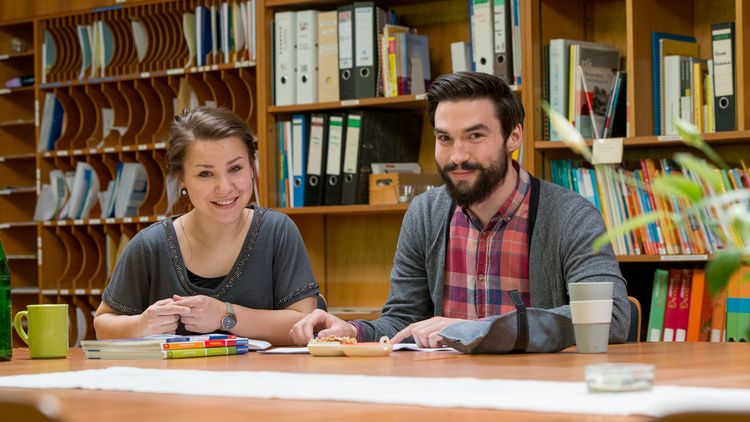

Es ist ein Seitenwechsel mitten im Masterstudium, für manchen ein Sprung ins kalte Wasser: 275 Lehramtsstudierende absolvieren derzeit ihr Praxissemester an Grund-, Haupt- und Realschulen der Region. An mehreren Tagen in der Woche unterrichten sie nun, statt Seminare und Vorlesungen zu besuchen.
Der Anfang war „nicht ohne“, da sind sich Nina Deeken (23) und Nico Noltemeyer (26) einig: Nur ein Wochenende lag zwischen dem Vorlesungsende im Wintersemester und dem Praktikumsstart in ihrer jeweiligen Schule zum zweiten Schulhalbjahr. Semesterferien? Fehlanzeige. Stattdessen zum Einstieg ein „Hin- und Herspringen“ zwischen Uni und Schule, letzte Klausuren schreiben – und in den Osterferien der Schüler noch die eigene Hausarbeit.
„Zum Glück konnte ich langsam reinkommen und in den ersten zwei Wochen erst einmal hospitieren, bevor es mit dem eigenen Unterrichten losging“, so Nina, die Deutsch und evangelische Religion studiert. Inzwischen ist sie an „ihrer“ Grundschule längst angekommen: „Ein Halbjahr lang bin ich Teil dieser Schule, Teil des Kollegiums, ich bin da voll drin, habe meinen festen Platz im Lehrerzimmer, und die Klassen kennen mich.“
Nico, angehender Haupt- und Realschullehrer für evangelische Religion und Wirtschaft, der den Praxisblock an einer Oberschule absolviert, erlebt es ähnlich. „Im Grunde ist man eine Lehrkraft an dieser Schule.“ Auch wenn es „nur“ für ein Halbjahr ist: Mit seinen Schülerinnen und Schülern beschäftigt er sich intensiv, hat auch in anderen Fächern im Unterricht unterschiedlicher Lehrer hospitiert, um die Jugendlichen und ihr Lernverhalten kennenzulernen.
Mindestens zwei Wochenstunden je Fach unterrichten, eigene Unterrichtseinheiten vorbereiten, daneben ein kleines Forschungsprojekt zur Schulpraxis durchführen: All das gehört seit ungefähr drei Jahren für angehende Grund-, Haupt- und Realschullehrer zum Masterstudium dazu, das sich damals von zwei auf vier Semester verlängerte. GHR300 lautet das Stichwort: In dem Akronym stecken die Anfangsbuchstaben der drei Schulformen – und die Maßgabe der Kultusministerkonferenz, mit dem Abschluss „Master of Education“ 300 Kreditpunkte vorweisen zu müssen. Einen Teil davon bringt den Studierenden seither der neue auf 18 Unterrichtswochen deutlich ausgedehnte Praxisblock nebst vorbereitenden, begleitenden und nachbereitenden Lehrveranstaltungen.
„Es ist eine große Chance“, sagt Jana-Katharina Dressler, Wissenschaftliche Mitarbeiterin am Didaktischen Zentrum (diz), die in ihrer Dissertation die Lernprozesse von Chemie-Lehramtsstudierenden im Praxisblock analysiert hat. „Die Studierenden erhalten einen intensiven Einblick in die Schule schon während ihres Studiums.“ Allerdings erhöhe sich allein mit der Länge oder Quantität der Praxiselemente nicht automatisch auch die Qualität. Zumindest in ihrer Studie hätten nur wenige Studierende den Praxisblock nutzen können, um die theoretischen Ausbildungsinhalte stärker mit der Schulpraxis zu verzahnen.
Vermeintlich nutzlose Theorie entpuppt sich als hilfreich in der Praxis
Nina hingegen hat „im Praktikum Sachen wiedergefunden, wo ich an der Uni noch dachte: Die brauche ich vermutlich nie wieder!“ Zum Beispiel beim Thema Leseverstehen – also dem Erfassen von Textinhalten – im Deutschunterricht. Die verschiedenen Modelle dazu habe sie im zweiten Semester noch für nutzlose Theorie gehalten – „nun haben sie mir tatsächlich geholfen“. Auch Nico hat festgestellt: „Es gab einiges im Studium, das mich gut vorbereitet hat für die Praxis, und anderes, von dem ich weniger konkret Anwendbares mitnehmen konnte.“
Allerdings, so der 26-Jährige, sei es wohl auch kaum möglich, nach dem Bachelorabschluss und einem Mastersemester pädagogisch, didaktisch und fachwissenschaftlich bereits alles abgedeckt zu haben und für jegliche Situation und fachliche Frage als Lehrer vorbereitet zu sein. „Aber ich merke während der Praxisphase, was ich noch machen muss.“ Nina ergänzt: „Und es hat ja auch etwas Positives, dass man sich als Lehrer immer weiterbilden muss.“
Die eigenen Stärken und Schwächen kennen zu lernen, zu sehen, „woran muss ich noch arbeiten“, genau das ist für diz-Mitarbeiterin Dressler ein Ziel des Praxisblocks. „Diese selbstreflexiven Prozesse noch besser zu unterstützen, daran arbeite ich.“ So plane das diz ab dem kommenden Wintersemester neue fächerübergreifende Veranstaltungen, um das Lernen der Studierenden im Praxisblock künftig noch zu verbessern.
Dieser solle dabei auch schlicht zeigen, „wie sieht der Beruf später aus, was kommt im Referendariat auf mich zu – einen genaueren Einblick in die Aufgaben eines Lehrers geben“. Und das Praxissemester biete den Studierenden die Chance, sich zunächst noch innerhalb des „Schutzraums Uni“ im Klassenzimmer ausprobieren zu können, so Dressler: Bei den Studierenden behalte der begleitende Lehrer letztlich die Verantwortung fürs Gelingen des Unterrichts; „im Referendariat unterrichtet man ja dann schon teilweise eigenständig“.
Nico sieht die Praxisphase als Chance, seinen Berufswunsch Lehrer zu festigen und Erfahrungen zu sammeln. Dabei habe er jedoch das Gefühl, auch bei Kommilitonen, dass alle sich schnell den jeweiligen Gegebenheiten anpassen. „Dass man es nicht mehr so stark hinterfragt oder aus einem wissenschaftlichen Blickwinkel schaut: Was ist das System Schule, was ließe sich vielleicht verbessern, was möchte ich anders gestalten – ich glaube, dafür fehlt manchmal der Blick.“ Auch diesbezüglich wünsche er sich mehr Reflexion, „um später, wenn man Schule noch mehr gestalten kann, auch wirklich aktiv werden zu können“.
Auch Nina fragt sich manches Mal, wie sich die Theorie noch besser in die Schulpraxis übertragen lassen könnte. „Wenn wir im Begleitseminar Deutsch besprechen, dass etwas nicht so gut ist am Unterricht, zum Beispiel Diktate, dann kommt das ja nicht automatisch in den Schulen an.“
Mülleimer brennt: Schrecksekunde im Chemie-Unterricht
Apropos Ankommen in der Schule: Die geforderte Mobilität im Praktikum bewerten beide Studierenden als schwierig. Angesichts teils langer Strecken mit unregelmäßiger Bus- oder Zuganbindung entpuppe sich der zugewiesene Schulort für manchen Kommilitonen als zeitliche, organisatorische und auch finanzielle Herausforderung. „Vielleicht spricht da der angehende Wirtschaftslehrer“, so Nico, „aber hier sehe ich Steuerungsbedarf: Dass das Land zum Beispiel schaut, wie könnte man Fahrtkosten erstatten oder eine Aufwandsentschädigung zahlen.“ Schließlich hätten die Praktikanten einen Bachelorabschluss und würden bei einer Einstellung als Hilfslehrer auch bezahlt.
An ihrem Praktikum schätzen beide den Austausch mit ihren Mentoren. Nina hat „zwei ganz tolle Mentorinnen, die sich auch sehr dafür interessieren, was jetzt neu an der Uni ist“. Regelmäßig träfen sie sich nach der Schule zum kollegialen Austausch. „Wir reden dann zum Beispiel über Schüler, und ich merke auch, dass meine Meinung Gewicht hat.“ Allerdings habe sie aus dem Freundeskreis „auch schon andere Geschichten gehört, wo es nicht so glücklich läuft“.
Dabei ist die Rolle der Mentoren immens wichtig, wie Jana-Katharina Dressler in ihrer Dissertation feststellte. Die Studierenden, die im Praktikum ihr fachdidaktisches Wissen und ihre Kenntnisse über die vielfältigen Möglichkeiten der Unterrichtsgestaltung steigern konnten, hätten vor allem vom sogenannten „Modelllernen“ beim Hospitieren profitiert – also von dem, was sie sich bei den Lehrern abgucken konnten.
Lernhinderlich sei es für Studierende hingegen gewesen, wenn sie bei der zu starken Konzentration auf sich selbst als Lehrperson die Schülerperspektive – und damit den Lernerfolg der Schüler – aus dem Blick verloren hätten, so Dressler. Auch hätten Schlüssel-erlebnisse bei manchen Studierenden den Blick verengt: zum Beispiel bei einem Chemiestudierenden, der nach einem kurzzeitigen, glücklicherweise schnell gelöschten Mülleimer-Brand im Unterricht künftig mehr über die Sicherheitsaspekte des Unterrichts nachdachte als alles andere.
Derartige Schlüsselerlebnisse sind Nina und Nico vielleicht noch nicht widerfahren, aber Nina erlebt „jeden Tag kleine Aha-Effekte, die mich darin bestärken, Grundschüler nicht zu unterschätzen. Gerade in Religion, etwa beim Thema Nächstenliebe, höre ich von den Kindern oftmals Sachen, bei denen ich denke: wow, das sollte ein Erwachsener erstmal so auf den Punkt bringen.“ Sie findet es schade, dass sie nach dem Praktikum noch ein Jahr bis zum Referendariat warten muss. „Ich würde am liebsten direkt weitermachen, aber bald geht es erstmal wieder an die Uni“, sie schmunzelt: „Muss ja sein!“