






Ein Uni-Campus mit strikter Geschlechtertrennung, weiße Tauben an einer goldenen Moschee: Die Teilnahme an einer Konferenz zu studentischer Forschung in Katar bescherte Matthias Marx, der in Oldenburg Marine Umweltwissenschaften studiert, vielfältige Eindrücke. Sein Reisebericht.
Es begann im Juni 2016 mit der Konferenz forschen@studium an unserer Universität. Ich präsentierte dort meine Marktanalyse zu Mikroplastik in Kosmetika – und erfuhr von der geplanten ersten Konferenz des weltweiten Netzwerks (Council on Undergraduate Research; CUR) für studentische Forschung. Gastgeberland: Katar.
Dr. Susanne Haberstroh vom Referat Studium und Lehre äußerte die Hoffnung, mit Oldenburger Studierenden auch in Katar präsent zu sein. Eine weitere Studentin, meine Freundin Anna Lyubina (Master Sustainability Economics and Management) und ich reichten unsere englischsprachigen Abstracts für die Konferenz ein. Wir wurden beide zugelassen, und die Uni erhielt über das Projekt „Forschungsbasiertes Lernen im Fokus“ (FLiF+) auch das finanzielle „Okay“ für eine Teilnahme.
Nach langer Vorfreude ging es im November endlich los – allerdings ohne Anna, die wegen Visaschwierigkeiten nicht anreisen und somit ihren Vortrag ("When should a hotel be considered sustainable?") nur via Skype halten konnte. So machten unsere Mentorin Susanne Haberstroh und ich uns allein auf den Weg in das Emirat am Persischen Golf.
Auf der Suche nach Verpflegung nach der Ankunft gingen Susanne Haberstroh und ich in die an das Hotel angeschlossene Shopping-Mall. Im dortigen Großsupermarkt fand sich auch Weihnachtsschmuck – das illustrierte, dass nicht alle Menschen derselben Religion angehören. Von Katars gut zwei Millionen Einwohnern sind nur zwölf Prozent gebürtige Katarer: offenkundig eine Einwanderungsgesellschaft.
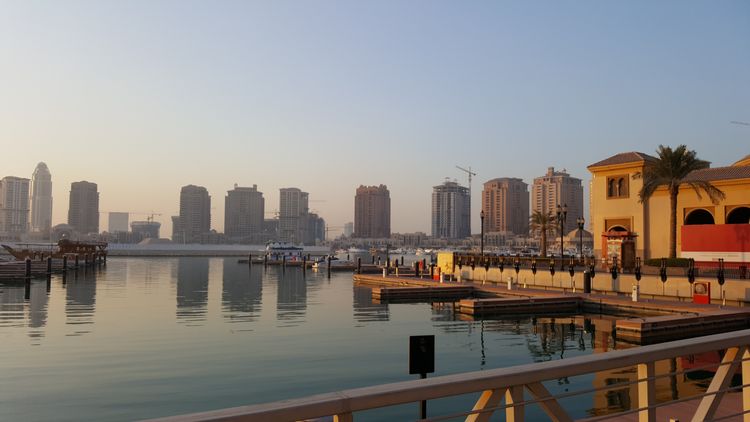
Um sechs Uhr morgens am ersten Konferenztag brachte uns ein Shuttlebus mit Studierenden aus den Vereinigten Arabischen Emiraten direkt zur Universität Doha. Nach der Begrüßung durch den Präsidenten der Uni und die OrganisatorInnen der Konferenz – neben den lokalen Verantwortlichen der Doha University sind hier das amerikanischen Council on Undergraduate Research (CUR), das Australasian Council on Undergraduate Research (ACUR) und die British Conference on Undergraduate Research (BCUR) zu nennen - begann die Präsentation der Vorträge unterschiedlichster Disziplinen, Kulturen und Länder. Am Abend fand ein großes Essen in einem der Hotels vor der Pearl-Qatar statt. Die Pearl ist die Antwort auf die Hochhausbauten und „The World“ in Dubai. Prunkvolle im Kreis angeordnete Hotels auf künstlichen Inseln – und in ihren Mitten ebenfalls künstliche Inseln.
Meine Präsentation „Market review on microplastic use in cosmetics“ fand in der Bibliothek statt. Ich habe mich über die positive Resonanz gefreut. So kam eine Professorin aus den USA auf mich zu und signalisierte Interesse an meinen Ergebnissen.
Die Bibliothek ist ebenso wie der gesamte Campus nach Geschlechtern getrennt. Uns Gästen der Konferenz war es gestattet, beide Bereiche zu betreten. So konnten wir zum Beispiel auch Studentinnen bei ihrer Forschung im Labor über die Schulter schauen.
Prof. Khelifa der Universität Katar, welcher für die Leitung und Planung der Konferenz verantwortlich war, erzählte in kleiner Runde, dass die Geschlechtertrennung vor allem deshalb noch beibehalten werde, damit Väter auch ihre Töchter an die Uni schicken. 70 Prozent der Studierenden an der Universität Doha sind Frauen. Ein Student erklärte uns auch, dass viele junge Männer eher im Ausland studierten. Ob sich der Bildungssektor von Katar in den nächsten Jahrzehnten wandeln wird? Ich vermute es.
Die landestypische Kleidung besteht aus einem weißen Gewand für Männer und einem schwarzen für Frauen, bei dem meist nur die Augen sichtbar sind. Auf dem Campus sahen wir jedoch auch gesichtsfreie Kopftücher oder einen westlichen Kleidungsstil.
Abends besuchten wir den Souq Waqif – einen Markt, auf dem sich Gestern und Heute treffen. Katarer sind dafür bekannt, dass sie gerne Falken als Haustiere halten, so gibt es einen Falken-Markt, aber auch einen „Souq“ für Gewürze, Handarbeiten, Kleidung, Alltagsgegenstände oder Gold. Bei Dämmerung geht der Trubel so richtig los; Stände und kleine Restaurants mit Speisen der verschiedenen Golfstaaten bieten eine Stärkung.
Aufgrund früherer Urlaube in Ägypten und in der Türkei war ich auf anstrengenden Handel und mich bedrängende Verkäufer eingestellt. So war es ganz und gar nicht. Es ließ sich in wenigen Sätzen handeln – oder eben nicht. Der Souq Waqif ist ein Markt, der sich nicht vorwiegend an Touristen richtet, sondern an die Einheimischen für ihren alltäglichen Einkauf.
Der letzte Konferenztag bot neben Poster-Präsentationen und Ehrungen auch einen abendlichen Ausflug nach Katara, einem neu erbauten Kulturdorf mit Kunst, Musik und einem Strand für Touristen. An der dortigen goldenen Moschee sah ich weiße Tauben entlang fliegen – für mich ein Moment symbolischen Friedens.
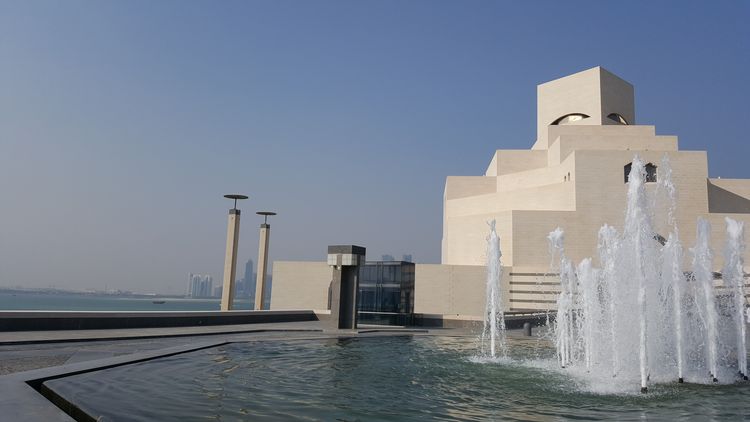
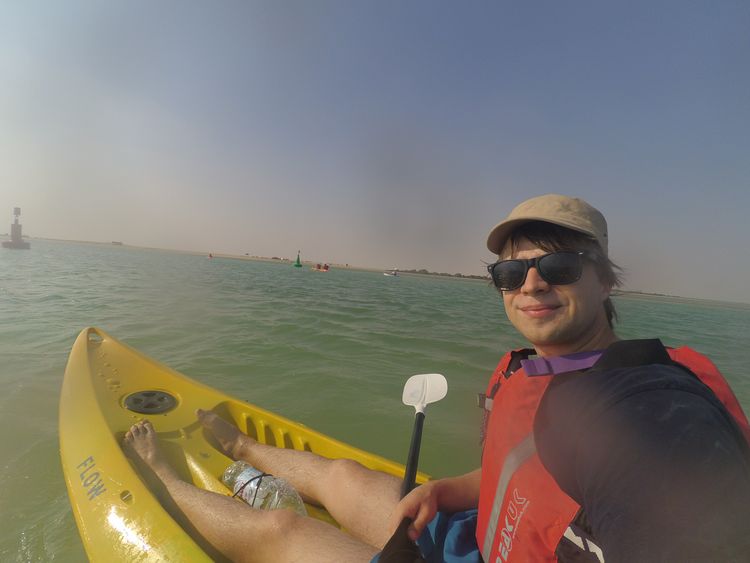
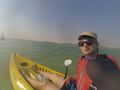
Im Anschluss an die Konferenz blieb ich noch einige Tage und erkundete Doha und Umgebung: Spaziergang an der Golfpromenade und Kanutour in den Mangroven, Besuch im Museum für Islamische Kunst und auf dem Kamelmarkt, Schwimmen am Katara Beach und Begegnung mit Flamingos in freier Wildbahn.
Was mir als Student der Marinen Umweltwissenschaften, der über Mikroplastik referiert hat, noch aufgefallen ist: Auch hier in den Wüsten und dritten und vierten Reihen der Hotelfassaden ist das Verständnis von Müll leider ein anderes, als es für die Umwelt gut wäre…
Mein Fazit: Die Reise hat es mir ermöglicht, mich mit Studierenden aus anderen Ländern und Kulturen auszutauschen, meine eigene Forschung auf einer Konferenz zu präsentieren – und dabei ein sehenswertes Land kennenzulernen.