
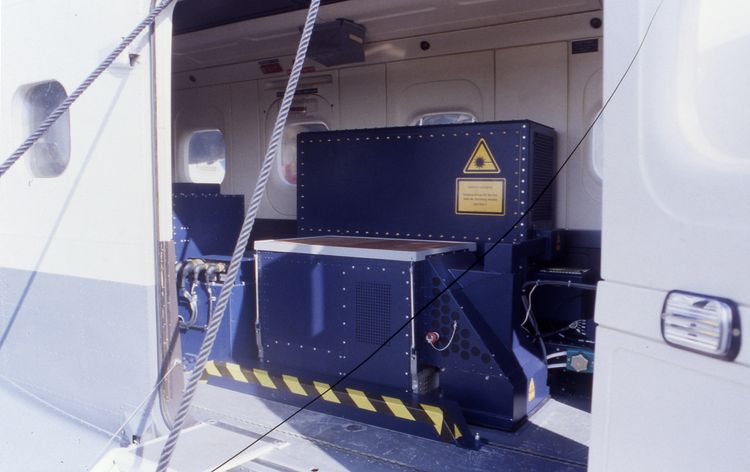
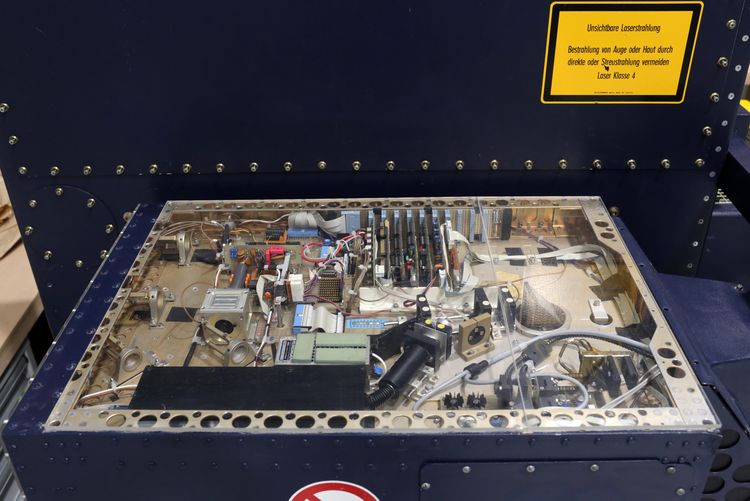

Ölverschmutzungen vom Flugzeug aus überwachen und analysieren: Das war jahrelang Aufgabe des „Laserfluorosensors“, den Oldenburger Wissenschaftler entwickelt haben. Nun hat der Sensor, der Vorbild für viele weitere Modelle war, ausgedient und ist nach München gereist: Künftig ist er dort im Deutschen Museum von Meisterwerken der Naturwissenschaft und Technik für Forschung und Öffentlichkeit zugänglich. Das Gerät, Ende der 1980er-Jahre entwickelt, war damals das Erste seiner Art.
„Wir freuen uns, einen solchen Beitrag zur Öffentlichkeitsarbeit leisten zu können,“ sagt Prof. Dr. Matthias Wollenhaupt, Direktor des Instituts für Physik, das den Prototypen dem Museum gestiftet hat. „Die Stiftung wird den Bestand unseres Hauses um ein weiteres, technikgeschichtlich bedeutendes Exponat bereichern“, ergänzt Dr. Jörn Bohlmann, am Museum zuständiger Kurator für Schifffahrt und Meerestechnik. „Der Prototyp des Laserfluorosensors legte den Grundstein für all jene Geräte, die sich heute erfolgreich im Dienste des Umweltschutzes im Einsatz befinden“, sagt der Experte für maritime Technikgeschichte. Die Entwicklung habe bedeutend dazu beigetragen, die Ölverschmutzung unserer Meere einzudämmen. Den Kurator freut besonders, dass er mit dem neuen Exponat nicht nur physikalisch-naturwissenschaftliche Aspekte vermitteln kann, sondern auch Aspekte der Schiff- und Luftfahrt sowie der Geschichte des Umweltschutzes.
Gerade in den 1980er-Jahren hatte Öl von Schiffsverkehr und Bohrinseln zunehmend Meer und Küsten verschmutzt. Die Arbeitsgruppe Meeresphysik unter Leitung von Dr. Rainer Reuter entwickelte daher das Gerät, das vom Flugzeug aus mit Hilfe kurzer Laserpulse bereits geringe Ölmengen messen kann. Die Messdaten erlaubten den Forschern beispielsweise, auch die Dicke des Ölfilms zu bestimmen und unterschiedliche Öltypen zu unterscheiden. So konnten sie die Herkunft des Öls bestimmen. „Die Weiterentwicklung dieses Prototyps ist noch heute im vollen Einsatz“, erklärt Reuter. Ein operationell, also in der Praxis routinemäßig einsetzbares Instrument für die behördliche Meeresüberwachung, habe es vor dieser Entwicklung nicht gegeben. Die Oldenburger Wissenschaftler entwickelten das Gerät im Rahmen internationaler Kooperationen, die vom Bundesministerium für Bildung und Forschung gefördert wurden.