Auf einen künftigen Exzellenzcluster gemeinsam mit Bremen zielt ein neuer Forschungsverbund in den Meereswissenschaften. Koordinator Helmut Hillebrand vom Institut für Chemie und Biologie des Meeres (ICBM) über das Entwickeln einer gemeinsamen Agenda - und einen neuen Blick auf biologische Vielfalt.
FRAGE: Herr Hillebrand, der neue Forschungsverbund MarBAS in den Meereswissenschaften wird in der Ausschreibung „Spitzenforschung in Niedersachsen“ gefördert. Wie bewerten Sie diesen Erfolg?
HILLEBRAND: Das Projekt befördert die Idee, dass wir gemeinsam mit der Universität Bremen in die Exzellenzinitiative gehen. In dem angestrebten gemeinsam Cluster läge zwar der Schwerpunkt beim MARUM – es ist größer als das ICBM und bereits heute ein Exzellenzcluster. Aber eine Säule unseres gemeinsamen Exzellenzantrags wird eine Erweiterung der bisherigen Forschung des MARUM um das Thema „Marine Ökosysteme und Biodiversität“ darstellen. Das ist ein gewachsener Schwerpunkt an der Universität Oldenburg, die diese Säule auch koordinieren wird. Beide Universitäten kooperieren in den Meereswissenschaften sehr gut mit außeruniversitären Einrichtungen, aber bislang fehlte es uns noch an direkter bilateraler Interaktion. Diese wird der Verbund MarBAS befördern.
FRAGE: Sie haben erwähnt, dass Bremen federführend wäre. Wie sehen Sie denn die Rolle Oldenburgs, wie stark wäre ein gemeinsamer Cluster hier verankert?
HILLEBRAND: Die Säule „Marine Ökosysteme und Biodiversität“ soll ihr konzeptionelles Schwergewicht in Oldenburg haben. Aber am Ende wird das Gesamtkonzept entweder gefördert oder nicht, insofern ist eine Verzahnung mit allen anderen Säulen wichtig: Ozean und Klima, Geosphären-Biosphären-Interaktion, Meeresbodendynamik, sowie Innovative Meerestechnologien. Oldenburg ist also keine isolierte Insel mit eigener Agenda, sondern diese fünf Säulen müssen eine gemeinsame Agenda entwickeln. Das wird sicherlich unsere hauptsächliche Koordinationsaufgabe sein, bis wir in der Exzellenzinitiative unseren Antrag stellen.
FRAGE: Was ist das Besondere am Oldenburger Schwerpunkt – Biodiversität und Ökosystem?
HILLEBRAND: In den letzten Jahren haben wir uns in Oldenburg intensiv mit den funktionellen Konsequenzen von Biodiversität auseinandersetzt: Was bedeutet der rapide Wandel der biologischen Vielfalt eigentlich fürs Ökosystem – funktioniert es beim Verlust einiger Arten oder Artengruppen oder auch der Einwanderung von Arten anders? Das ist eine Frage, die so grundlegend ist, dass man denkt, das müssten wir alles schon wissen, aber tatsächlich ist erst mit der rapiden Veränderung der Biodiversität diese Frage überhaupt aufgetreten.
FRAGE: Was hat sich dadurch verändert?
HILLEBRAND: Zuvor sah man Biodiversität hauptsächlich als Produkt der Umwelt. Es gibt artenreiche Ökosysteme, während andere wenige Arten haben, und die Biodiversität – also die biologische Vielfalt in jeglicher Hinsicht – sah man eher als Konsequenz der Eigenschaften des Ökosystems. Die Erkenntnisse der letzten 20 Jahre haben aber die Sichtweise quasi umgedreht, so dass die funktionelle Rolle von Biodiversität in den Blickpunkt gerückt ist. Denn viele der wichtigsten Prozesse in den Ökosystemen, zum Beispiel die Bildung neuer Biomasse, sind biologisch getriebene Prozesse und beruhen somit auf der biologischen Vielfalt. Wenn sie sich verändert, müssen wir verstehen, ob auch der Prozess sich verändert: Dieser Ansatz ist genau der, der in Oldenburg etabliert worden ist. Und wir verstehen ihn stark interdisziplinär, auch das zeichnet unsere Forschung aus. Oldenburg ist ein Schwergewicht der marinen Biodiversitätsforschung, und insofern ist die Entscheidung, diese Säule von hier aus zu organisieren, eine logische.
FRAGE: Der jetzt geförderte Forschungsverbund beinhaltet mehrere Projekte. Können Sie diese ein wenig erläutern?
HILLEBRAND: Die sechs „Arbeitspakete“ sind mit Blick darauf entwickelt worden, wo es bereits potenzielle Synergien gibt. Wo gibt es Forschende, die ein hohes Potenzial haben, gemeinsam zu arbeiten? Jedes Projekt ist mit einer Stelle für Postdoktoranden belegt, sie sollen die Mittler zwischen den beteiligten Arbeitsgruppen aus Oldenburg und Bremen sein. Außerdem haben wir uns auf Vorhaben konzentriert, mit denen wir sofort loslegen können, da die Laufzeit bis zum Stellen des Exzellenzantrags ja nur zwei Jahre beträgt.
FRAGE: Und worum geht es inhaltlich?
HILLEBRAND: Das erste Projekt nimmt eine gerade sehr stark vorherrschende Diskussion in der Literatur auf: Wie macht sich das globale Aussterben von Tier- und Pflanzenarten lokal bemerkbar? Genügt die Beobachtung, ob und wie sich die Anzahl von Arten in einem Ökosystem mit der Zeit verändert? Unserer Auffassung nach greift das zu kurz. Ein krasses Beispiel: Wenn in einem Ökosystem statt zehn Baumarten plötzlich zehn Moosarten vorhanden sind, haben Sie zwar immer noch zehn Arten – aber ein Moor statt eines Waldes. Wir müssen uns auch den Austausch, die Verdrängung von Arten ansehen – und zwar über lange Zeiträume, wenn wir den Einfluss des Menschen erkennen wollen. Genau das tun wir mithilfe längerer Zeitserien aus der Paläoökologie, die uns die Artenzusammensetzung über mehrere 10.000 Jahre liefern kann. Für unsere gemeinsame Analyse haben wir auch Zugang zu einem Datensatz, der sogar mehr als eine Million Jahre abbildet.
FRAGE: Der Fokus liegt also weniger auf der Artenzahl als vielmehr auf der Veränderung der Arten.
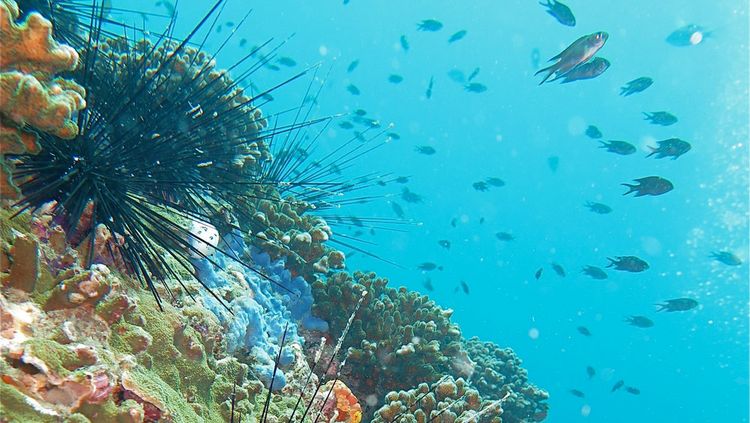
HILLEBRAND: Genau, der Fokus auf die Artenzahl ist die Achillesferse der ganzen Diskussion. Meiner Ansicht nach viel relevanter: Verändert sich die Artenzusammensetzung heute in einer anderen Geschwindigkeit als früher? Das soll dieses Projekt herausfinden, mithilfe auch von Mathematikern, die sich mit Zeitreihenanalytik auskennen. Ein Team um Peter Schupp beschäftigt sich in einem weiteren Arbeitspaket mit Korallenriffen und analysiert, warum oftmals Algen die Korallen verdrängen. Einen Blick in Richtung Evolutionsbiologie werfen Gabi Gerlach und Bernd Blasius, die gemeinsam mit Bremer Kollegen die Anpassungsfähigkeit mariner wirbelloser Tiere untersuchen. Diese verbreiten sich fast alle über die Verdriftung von Larven – was hat das eigentlich für evolutionäre Konsequenzen?
FRAGE: Also die Frage danach, ob diese Meeresbewohner für ihre hohe Flexibilität einen gewissen „Preis“ zu zahlen haben.
HILLEBRAND: Ja, wir wollen verstehen, welche Folgen diese Plastizität für den Organismus hat. Zwei weitere Arbeitspakete drehen sich um die Interaktion zwischen Biologie und Geochemie: einmal im Projekt von Meinhard Simon am Beispiel von Zucker abbauenden Bakterien – und einmal am Beispiel von heißen Quellen der Tiefsee, den sogenannten Hydrothermalquellen. Hier geht es um die Rolle von gelöstem organischen Material, abgekürzt DOM, eines der größten Kohlenstoffpools unseres Planeten. Da bringen wir die hohe Expertise des MARUM in der Tiefseeforschung mit unserem DOM-Experten Thorsten Dittmar zusammen – sehr spannend.
FRAGE: Das ist eines der beiden Arbeitspakete, die die Universität Oldenburg aus eigenen Mitteln finanziert.
HILLEBRAND: Richtig, zwei der insgesamt sechs Projekte im Verbund trägt die Universität, um die Kooperation zu stärken. Das andere unieigene Vorhaben zielt darauf, die gemeinsame Lehre im Nordwesten weiterzuentwickeln. Es geht unter anderem darum, Präsenzlernen und elektronisches Lernen stärker zu verknüpfen, Stichwort „Blended Learning“. Hier könnten die Meereswissenschaften als Vorreiter auch für Vorhaben in anderen Fachgebieten fungieren.
Interview: Deike Stolz