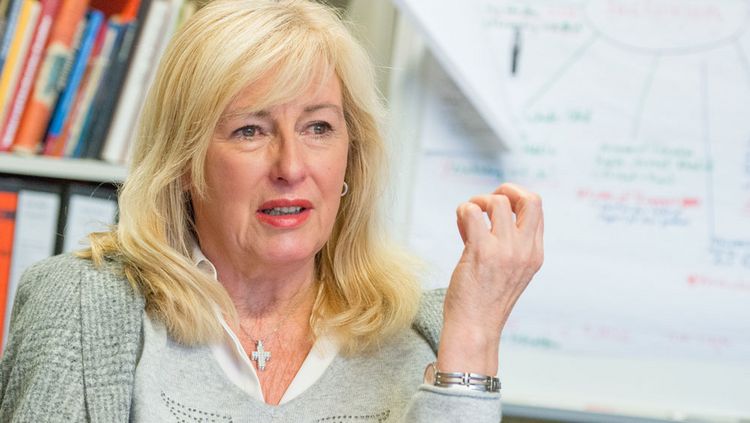
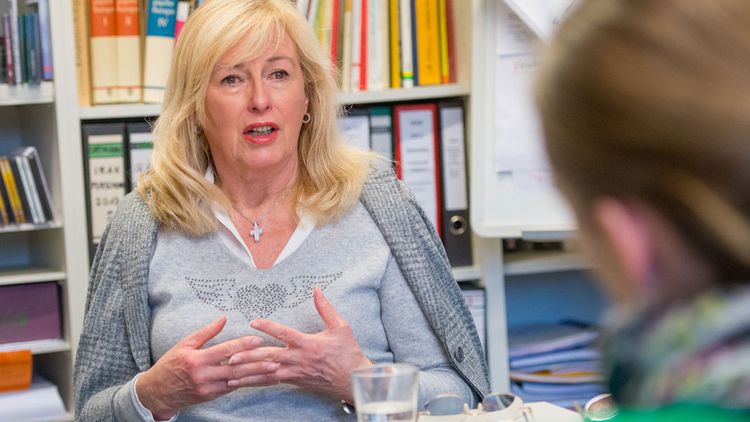
Im nordirakischen Dohuk heißt sie nur "Professor Monika": Die Oldenburger Pädagogin Monika Ortmann baut eine Kooperation mit der dortigen Universität auf und hat in Dohuk einen sonder- und rehabilitationspädagogischen Studiengang mit initiiert. Im Interview berichtet sie von Uni-Alltag, Flüchtlingselend und dem Bemühen um Inklusion in einem von Kriegen und Terror gebeutelten Land.
FRAGE: Frau Ortmann, Sie bauen eine Kooperation mit der nordirakischen Universität Dohuk auf. Wie können Sie im Irak helfen, und was lässt sich umgekehrt auf Ihre Arbeit hier in Deutschland übertragen?
ORTMANN: Ich begreife mich nicht so sehr als Helferin, sondern als Wissenschaftlerin, die mit den irakischen und kurdischen Wissenschaftlern gemeinsam arbeitet an einer gemeinsamen Sache. Dass dabei unter Umständen auch Hilfe herauskommt, das liegt wahrscheinlich schon an meiner Fachrichtung, Pädagogik bei körperlicher und motorischer Beeinträchtigung. Im Irak gibt es eben sehr viele Menschen, die solche Beeinträchtigungen haben aufgrund der drei Kriege in den letzten 30 Jahren. Die Versorgungslage ist natürlich auch wegen dieser Kriege und des aktuellen IS-Terrors denkbar schlecht. Schwangere und ihr Nachwuchs werden medizinisch nicht so gut überwacht, so entstehen sehr viele Behinderungen – auch abseits der Kampfhandlungen.
FRAGE: Was war Ihr ursprünglicher Antrieb für den Aufbau der Kontakte in den Irak?
ORTMANN: Begonnen hat es 2009. Damals sprach mich eine Fachkollegin aus Berlin an, ob ich einen Vortrag auf einer Konferenz halten möchte, zu der auch 40 irakische Wissenschaftler und Politiker eingeladen waren. Mein Vortrag zum pädagogischen Umgang mit schwerst erkrankten Kindern stieß auf großes Interesse, da im Irak sehr viele Kinder etwa durch herumliegende Waffenreste und Chemikalien nachhaltig geschädigt sind. Schnell stellte sich heraus, dass irakische Wissenschaftler an Kooperationen interessiert sind. Zwei Jahre später bin ich nach Bagdad gereist, allerdings ließ sich eine Kooperation mit dortigen Universitäten am Ende nicht realisieren, weil die Zahl der Anschläge ständig stieg.
FRAGE: Aber dann hat es Sie irgendwie gepackt mit dem Irak…
ORTMANN: … und wir haben den Kontakt zur Universität Dohuk in Kurdistan aufgebaut. Der Direktor des dortigen Instituts für Europäische Studien war 20 Jahre lang in Deutschland und ist leidenschaftlich damit befasst, die Beziehungen zwischen Deutschland und Kurdistan auszubauen. Ein Programm des DAAD, des Deutschen Akademischen Austauschdienstes, fördert die Kontaktaufnahme und wissenschaftliche Kooperation mit irakischen Hochschulen. Der Irak hat im März 2013 die Behindertenrechtskonvention der Vereinten Nationen ratifiziert, und ich möchte den dortigen Inklusionsprozess wissenschaftlich begleiten. An der Universität Dohuk bin ich übrigens Professor Monika.
FRAGE: Das ist ja eine sympathische Anrede.
ORTMANN: Jeder, auch der Präsident dieser Universität, die ja deutlich größer ist als unsere, wird dort nur mit Vornamen angesprochen. Man gewöhnt sich daran (lacht). Nach einer Rundreise Ende 2013 bin ich mit einer Doktorandin im Frühjahr 2014 dann ausschließlich nach Dohuk gereist, um die Dozenten kennen zu lernen, Vorträge zu halten – eben Beziehungsaufbau zu leisten. Das spielt im arabischen, kurdischen Raum noch eine ganz andere Rolle als bei uns. Tragfähige Beziehungen sind ganz wichtig, darauf lassen sich dann Arbeitsbeziehungen aufbauen.
FRAGE: Und darauf gründete dann die Kooperation, die beide Universitäten im vergangenen Juni geschlossen haben?
ORTMANN: Genau. Zunächst gab es einen Gegenbesuch einer irakischen Delegation, die sowohl unsere Universität als auch verschiedene Praxiseinrichtungen der Region kennen gelernt haben. Letztere zu zeigen, war immens wichtig, das kann man in einem Vortrag nicht in allen Facetten vermitteln: wofür bilden wir unsere Leute aus, wo arbeiten die später, wie gehen wir in Deutschland mit Kindern und Jugendlichen mit Behinderung um. Wir waren in etlichen Einrichtungen der Region – Schulen, Werkstätten, Reha-Zentrum…
FRAGE: Wie waren die Reaktionen?
ORTMANN: Unsere Besucher waren auf der einen Seite sehr beeindruckt, aber auch zutiefst berührt, regelrecht mitgenommen. Das, was sie zu sehen bekommen haben, hat sie an den Rand der emotionalen Belastbarkeit geführt: Im Irak werden behinderte Kinder versteckt, dort sieht man sie nicht, wird kaum mit ihnen konfrontiert. Für die Delegation ganz neue Eindrücke, zumal es überwiegend keine Fachkollegen waren. Das kann schon überfordern. Zugleich waren sie beeindruckt von den Möglichkeiten und auch der Qualität der Ausbildung hier.
FRAGE: Und die Universität Dohuk hat sich dann entschlossen, einen eigenen Studiengang nach Oldenburger Vorbild zu schaffen?
ORTMANN: Ja, seit Oktober studieren 54 junge Leute dort „Disability Studies and Rehabilitation“. Zum gemeinsamen Feilen am Curriculum haben wir uns vorher in Ankara getroffen – eine solche Tagung in einem sicheren Drittland mussten wir erst einmal durchsetzen. Inzwischen hat der DAAD die Idee aber aufgegriffen und empfiehlt anderen ein ähnliches Vorgehen. Wir trafen uns also in einem kleinen türkischen Hotel, ohne Tagungsraum, ohne Flipchart oder Ähnliches, aber wir haben improvisiert und das Beste daraus gemacht. Außerhalb der Mahlzeiten konnten wir im Restaurant den Studienaufbau ausarbeiten. Dabei haben auch wir viel gelernt: Im ersten Jahr lernen die Studierenden dort – und das ließ sich auch nicht zugunsten sonder- und rehabilitationspädagogischer Inhalte ändern – Kurdisch, kurdische Geschichte, Englisch und Informatik. Das ist bindend.
FRAGE: Hätten diese Grundlagen nicht Platz in Schul-Curricula?
ORTMANN: Das habe ich auch gesagt. Aber offensichtlich wird dort im ersten Studienjahr darauf absolut Wert gelegt. Englisch ist ja zum Beispiel auch wichtig. Die Wissenschaftler dort sehen sich selbst ungefähr 30 Jahre zurück in der Entwicklung, sind aber eben sehr bemüht, wieder Anschluss an internationale Standards zu bekommen. Das ist ein weiter Weg: Bis vor kurzem gab es dort in der Bibliothek keinerlei englischsprachige Literatur zu Inklusion, zu Erziehungswissenschaften oder Psychologie – alles auf Kurdisch oder Arabisch. Die konnten sich Inklusion erstmal überhaupt nicht vorstellen! Wir haben stundenlang darüber diskutiert, wie das gehen kann.
FRAGE: Woran hapert es?
ORTMANN: Dort fehlen die elementarsten Dinge. In der Schule gibt es nur Frontalunterricht. Von anderen Lernformen, zieldifferentem Lernen ist nicht die Rede. Daher haben wir von einem Teil der DAAD-Förderung englischsprachige Standardwerke für die Unibibliothek Dohuk angeschafft in der Hoffnung, dass sie dort von Dozenten und Studierenden möglichst breit rezipiert werden. Dort lassen sich auch nicht alle Bücher so einfach online bestellen und liefern. Wenn wir dorthin reisen, müssen wir auch Bargeld mitnehmen, da sich nichts abheben lässt.
FRAGE: Die vom IS kontrollierten Gebiete – zum Beispiel Mossul – und auch das Flüchtlingselend sind ja von Dohuk nicht weit entfernt. Inwieweit ist ein Unialltag, ein geregelter Verlauf zum Beispiel des von Ihnen mit konzipierten Studiengangs überhaupt möglich?
ORTMANN: Das Studium verläuft ganz normal. Das Leben und auch der Alltag an der Universität laufen dort nach meinem Eindruck tatsächlich ganz normal. Allerdings habe ich bei meinem letzten Aufenthalt auch Flüchtlingslager und andere Flüchtlingsunterkünfte besucht.
FRAGE: Welche Eindrücke haben Sie dort gesammelt?
ORTMANN: Die Situation ist einfach unmenschlich, und es ist mir unverständlich, wie die internationale Gemeinschaft das so zulassen kann. Keine sanitären Anlagen, einwandige Zeltplanen, die leicht entflammbar sind. Diese Menschen haben gar nichts! Und diese ganzen kleinen Kinder. Es ist schlicht eine menschliche Katastrophe.
FRAGE: Das Auswärtige Amt hat für die Region eine Reisewarnung ausgesprochen und rät von nicht notwendigen Reisen ab. Was bedeutet das für die Kooperation? Haben Sie ab und zu ein mulmiges Gefühl?
ORTMANN: Grundsätzlich fühle ich mich weder unsicher noch beklemmt. Als ich im vergangenen November zwischen Dohuk und Erbil sehr nah an Mossul vorbeigefahren bin, da kann man an einem Kontrollpunkt praktisch rüberspucken, hatte ich schon ein mulmiges Gefühl. Habe mir aber überlegt, dass ich dann in Dohuk schon hätte Angst haben müssen. Die Menschen dort leben da ja jeden Tag und immer. Und die lachen da, die studieren da, die gehen in die Mensa so wie wir hier, und die Kinder gehen in den Kindergarten. Nur dass sie da schon als ganz kleine Kinder lernen, dass sie Waffenteile nicht aufheben dürfen, Minen oder Handgranaten, das sind natürlich ganz andere Lerninhalte als hier.
FRAGE: Die Kooperationsvereinbarung sieht grundsätzlich auch einen Studierendenaustausch vor. Inwieweit ist das derzeit überhaupt möglich?
ORTMANN: Vor allem möchten irakische Studierende gerne nach Oldenburg kommen, umgekehrt ist das Interesse – sicher aufgrund der Sicherheitslage – derzeit geringer. Kürzlich ist eine Oldenburger Studentin hingeflogen, die sich schon seit zwei Jahren darum bemüht hatte, in die Flüchtlingsarbeit zu kommen, sich auch schon vergeblich um einen Einsatz im Nordirak bemüht hatte. Sie hat in einem Vorgespräch mit unserem Dekan Manfred Wittrock ihren Wunsch nochmals bekräftigt und dass sie sich der Risiken bewusst ist. Die Reise haben wir dann gemeinsam detailliert geplant, und sie konnte in Dohuk bei der Familie eines Dozenten wohnen. Sie ist dort sehr gastfreundlich empfangen worden und kam mit positiven Eindrücken zurück, aber natürlich auch bedrückt vom Elend der Flüchtlinge dort.
FRAGE: Das Leid möchten Sie nun mit einem neuen Projekt ein wenig lindern. Was hat es damit auf sich?
ORTMANN: Es geht um Kurzzeittherapien für geschändete Mädchen und Frauen im Irak, Hilfe vor Ort, für die wir Förderung beim Auswärtigen Amt beantragt haben. Ich bin diesbezüglich mit zwei Psychotherapeuten kurdischer Herkunft in Kontakt, die an den Universitäten Freiburg und Duisburg-Essen arbeiten. Einer von ihnen berichtete mir von der „narrativen Expositionstherapie“, die er selbst in Uganda und Bosnien-Herzegovina schon erprobt hat – sie ist sehr erfolgreich und interkulturell anwendbar. Verkürzt gesagt, vollziehen dabei traumatisierte Patienten mit einem Therapeuten ihre Lebensgeschichte nach und verarbeiten so erlebte Gewalt und Horror. Um solche Kurzzeittherapien auf den Weg zu bringen, sind inzwischen weitere Experten im Boot, unter anderem auch Manfred Wittrock, und wir haben erst einmal eine Projektskizze eingereicht.
FRAGE: Wie soll die Hilfe aussehen?
ORTMANN: Ziel ist die Weiterbildung von Frauen vor Ort, um diese Kurzzeittherapie durchführen zu können – Psychologinnen, Sozialarbeiterinnen, Sozialpädagoginnen, eventuell auch Lehrerinnen. Vermutlich über eine Dauer von drei Jahren. Aber die Details und auch das Netzwerk vor Ort zurren wir gerade erst noch fest.
FRAGE: Wie bewerten Sie insgesamt die Situation: Was kann aus Ihrer Sicht die Sonderpädagogik leisten gerade in einem Land wie dem Irak mit so vielen kriegsverletzten Menschen, so vielen traumatisierten Menschen? Welche Bedeutung hat Ihr Fach in einem Land, in dem behinderte Menschen – wie Sie gesagt haben – vielfach versteckt werden?
ORTMANN: Eine ausgesprochen hohe Bedeutung. Die Sonder- und Rehabilitationspädagogik arbeitet auf zwei Ebenen, auf der psychischen und der körperlichen Ebene – im Irak bekommen betroffene Kinder hingegen weder die Physiotherapie noch die pädagogische Unterstützung. Zum anderen werden sie aber auch nicht beschult. Auch Kinder, die sich bildungsmäßig entwickeln könnten, lernen nicht lesen, schreiben oder rechnen, lernen keine kulturellen Inhalte kennen, sie können nicht am kulturellen Leben teilnehmen.
FRAGE: Dann läuft dort im Grunde noch das Gegenteil von Inklusion?
ORTMANN: Man muss die Situation dort allmählich etwas aufweichen. Es geht auch um die Einstellungen in der Bevölkerung, die werden sich nicht alleine durch den neuen Studiengang verändern, auch Medien und Öffentlichkeitsarbeit sind wichtig. Aber wenn die Menschen, die dort jetzt ausgebildet werden, ihre Arbeit aufnehmen, wenn es Einrichtungen gibt für Kinder mit Behinderungen, wird es für die Familien eine große Entlastung bringen. In mehrfacher Hinsicht.
FRAGE: Woran denken Sie dabei konkret?
ORTMANN: Das hat verschiedene Facetten: Ich brauche mein Kind nicht mehr zu verstecken. Mein Kind wird auch von anderen geschätzt. Es wird so geschätzt, dass es etwas lernt, es wird versorgt in der Schule, vielleicht sogar abgeholt und wieder nach Hause gebracht. Diese psychosoziale Entlastung trägt dazu bei, die Gesundheit auch der übrigen Bevölkerung, der Eltern, der Geschwister, zu fördern. Wenn Eltern stolz auch auf ihr Kind mit Behinderung sein können, ist das eine ganz andere Situation für die Familie und ihr Wohlbefinden, als wenn man immer peinlichst darauf bedacht sein muss, das Kind zu verstecken. Dem Individuum ein menschenwürdiges, vielleicht auch selbständiges Leben zu ermöglichen, das ist das Ziel.
Interview: Deike Stolz