
Vom „Freiwilligen Wissenschaftlichen Jahr“ an der Universität Oldenburg zu Jugend forscht: Nachwuchswissenschaftler Max Kehrer gewinnt den Regionalwettbewerb.
Das Abitur in der Tasche – wie geht es jetzt weiter? Diese Frage stellte sich auch Max Kehrer aus Metzingen in Baden-Württemberg. Er hat ein sehr gutes Abitur, kann sich aber nicht entscheiden, welches Fach er studieren soll. Bei einer Internetrecherche stieß er zufällig auf Informationen zum „Freiwilligen Wissenschaftlichen Jahr“ (FWJ). „Ich war sofort begeistert von der Möglichkeit, auf diese Weise Forschung kennenzulernen und in einem wissenschaftlichen Umfeld zu arbeiten“, sagt Kehrer.
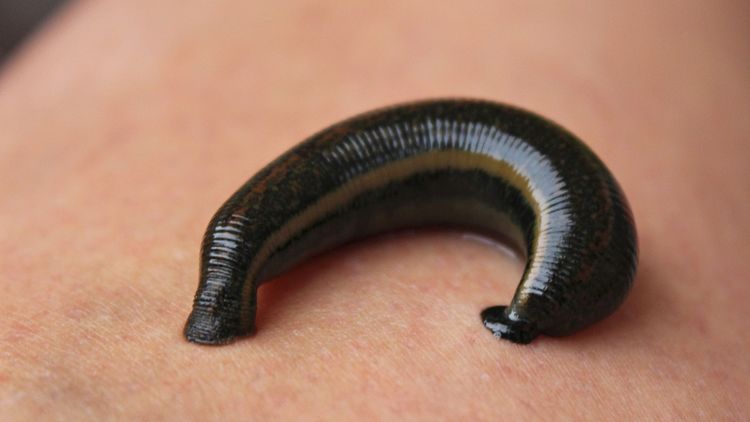
Im September 2019 startete er in der Arbeitsgruppe „Computational Neuroscience“ von Prof. Dr. Jutta Kretzberg am Department für Neurowissenschaften der Medizinischen Fakultät. Hier erforscht er – wie andere Mitglieder der Arbeitsgruppe – das Nervensystem von Blutegeln. Und hat jetzt einen großen Erfolg erzielt: Mit einem ersten Platz im Regionalwettbewerb „Jugend forscht 2020“ in Emden hat er sich für den Landeswettbewerb qualifiziert.
Was bedeuten steigende Temperaturen für die Tierwelt?
Dass Nachwuchsforscher auch nach dem Abitur am Wettbewerb teilnehmen können, sei vielen nicht bekannt, sagt Kretzberg. Die Neurowissenschaftlerin engagiert sich ehrenamtlich in der „Jugend forscht“- AG des Alten Gymnasiums Oldenburg und schlug Kehrer vor, sich an dem Wettbewerb zu beteiligen. Eine tolle Chance für den Nachwuchsforscher, denn so konnte er seine Arbeit in der Arbeitsgruppe auch als eigenes Projekt präsentieren.
Konkret beschäftigte sich Kehrer mit der Frage, wie sich steigende Temperaturen – etwa bedingt durch den Klimawandel – auf das Nervensystem von Blutegeln auswirken. Diese Tiere sind für die Wissenschaftlerinnen und Wissenschaftler der Arbeitsgruppe Kretzberg ein Modellsystem, anhand dessen sie grundlegende Mechanismen in Nervensystemen erforschen. Kehrer untersuchte mit Hilfe elektrophysiologischer Messungen die Aktivität von Schmerzrezeptoren des Blutegels bei unterschiedlich hohen Temperaturen. „Anhand der Ergebnisse habe ich Hypothesen über die Vorgänge im Nervensystem entwickelt, die ich anschließend mit Hilfe von Computersimulationen überprüft habe“, erläutert der 18-Jährige. „Wir nutzen solche Simulationen, um besser zu verstehen, wie das Nervensystem unter verschiedenen Bedingungen funktioniert“, erläutert Kretzberg.
Bei den Versuchen zeigte sich, dass sich zwar die Art der neuronalen Aktivität abhängig von der Temperatur änderte, nicht jedoch die Stärke der Aktivität. „Wir konnten also keine eindeutigen Anzeichen für eine veränderte Schmerzwahrnehmung feststellen“, sagt Kehrer. „Der Klimawandel tut dem Egel also (noch) nicht weh, aber er geht ihm schon auf die Nerven“, fügt er lachend hinzu.
Max Kehrer habe gute neue Forschungsfragen angestoßen, betont Kretzberg. Für den FWJler ist nach diesen Einblicken in den Forschungsalltag ein Studium der Neurowissenschaften durchaus denkbar – entschieden hat er sich aber noch nicht.
Erfolgreich forschen
Wer sich für ein „Freiwilliges Wissenschaftliches Jahr“ im Zeitraum vom 1. September 2020 bis zum 31. August 2021 interessiert, kann sich noch bewerben. Mehr Informationen unter https://uol.de/fwj