

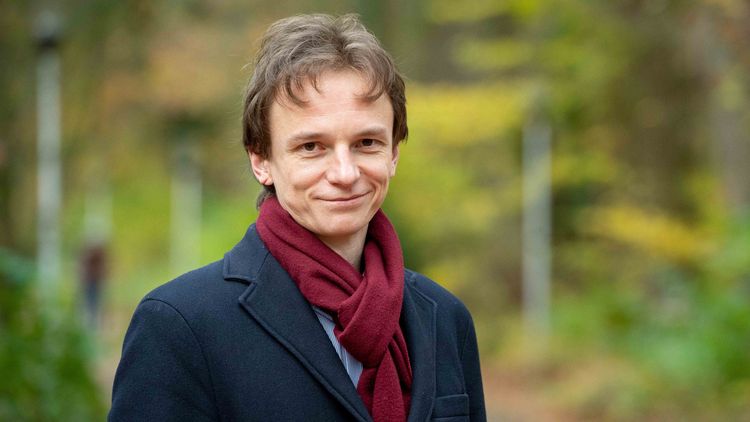
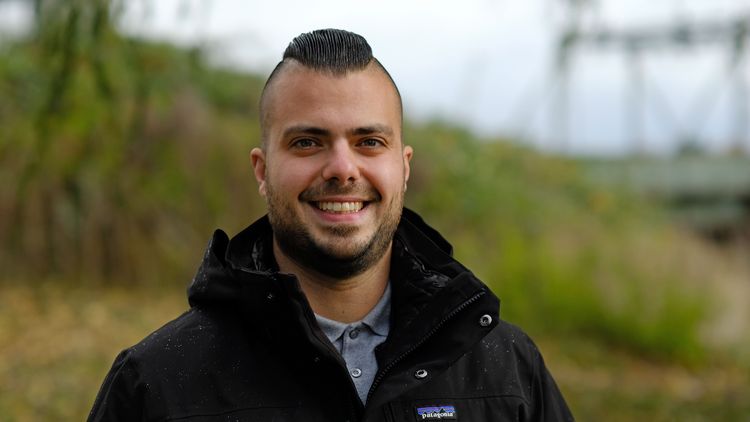



Exzellente Forschung und herausragende Promotion: Der Physiker Ilia Solov'yov und der Jurist David Saive erhalten in diesem Jahr die Preise der Universitätsgesellschaft Oldenburg.
Mit dem „Preis für exzellente Forschung“ den Physiker Prof. Dr. Ilia Solov’yov und den „Preis für herausragende Promotion“ für den Juristen Dr. David Saive würdigt die Universitätsgesellschaft Oldenburg e. V. (UGO) die wichtige Pionierarbeit der beiden Wissenschaftler. Der Forschungspreis ist mit 5.000 Euro, der Promotionspreis mit 2.000 Euro dotiert.
UGO-Preis für exzellente Forschung
Prof. Dr. Dr. Ilia Solov’yov hat seit Herbst vergangenen Jahres eine von der VolkswagenStiftung geförderte Lichtenberg-Professor für Quantenbiologie und Computerphysik an der Universität Oldenburg inne. Er entwickelt und nutzt theoretische Methoden und computergestützte Techniken, um die physikalischen Grundlagen einer Vielzahl von Prozessen in komplexen chemischen Verbindungen zu erforschen. Dabei erforscht er Moleküle in ganz unterschiedlichen Zusammenhängen – von elementaren biologischen Vorgängen in Lebewesen bis zu physikalischen Prozessen in intelligenten Nanomaterialien. Ihn interessieren vor allem die quantenmechanischen Grundlagen von biologischen Vorgängen, in denen Energie, beispielsweise Licht, in eine chemisch nutzbare Form umgewandelt wird.
Ein Schwerpunkt Solov’yovs liegt auf den biophysikalischen Grundlagen des Magnetsinns von Vögeln. Auf diesem Gebiet arbeitet er bereits seit 2008 mit dem international renommierten Oldenburger Biologen Prof. Dr. Henrik Mouritsen zusammen. In dem von der Deutschen Forschungsgemeinschaft geförderten Sonderforschungsbereich „Magnetrezeption und Navigation in Vertebraten: von der Biophysik zu Gehirn und Verhalten“ befasst sich Solov’yov derzeit mit der Schlüsselfrage, ob das Protein Cryptochrom das primäre Molekül ist, das Vögeln ermöglicht, das schwache Magnetfeld der Erde wahrzunehmen.
UGO-Preis für herausragende Promotion
Der Preis für herausragende Promotion geht in diesem Jahr erstmalig an einen Juristen. Dr. David Saive hat seine Promotion bei Prof. Dr. Prof. h. c. Jürgen Taeger am Department für Wirtschafts- und Rechtswissenschaften der Universität Oldenburg abgeschlossen. In seiner Arbeit untersuchte er, wie sich Frachtpapiere im internationalen Seehandel durch digitale Äquivalente ersetzen lassen. Konkret geht es um das sogenannte Konnossement, das wichtigste Dokument im Güterverkehr. Seit 2013 sind elektronische Frachtpapiere zwar gesetzlich erlaubt, und ihr Potenzial zur Kostensenkung ist unter Experten unumstritten; die Einführung scheiterte allerdings bislang an rechtlichen und technischen Hürden. Saive analysierte in seiner Arbeit den zugrundeliegenden Paragrafen des Handelsgesetzbuchs und leitete daraus Anforderungen an ein digitales Konnossement ab. Er zeigte auf, dass eine bestimmte Form der Blockchain-Technologie alle rechtlichen Anforderungen an elektronische Frachtpapiere erfüllen kann.