


Am 1. August ist die Oldenburger Fußgängerzone 50 Jahre alt geworden. Sie war die erste Einkaufsmeile deutschlandweit, die mehrere Straßen umschloss. Inwieweit das die Region verändert hat und wie die Fußgängerzone den Onlinehandel überleben kann, erklärt Stadtsoziologe Dr. Norbert Gestring vom Institut für Sozialwissenschaften im Interview.
FRAGE: Herr Gestring, eine ganze Woche lang feiern die Oldenburger ihre Fußgängerzone. Da scheint ein ganz besonderes Verhältnis zu bestehen, oder?
GESTRING: Ja, viele Oldenburger sind sehr stolz auf ihre Fußgängerzone. Das merkt man immer dann, wenn sie erzählen, dass sogar die Bremer zum Einkaufen herkommen. Die Altstadt hat aber auch ein ganz besonderes Flair.
FRAGE: Was macht dieses Flair aus?
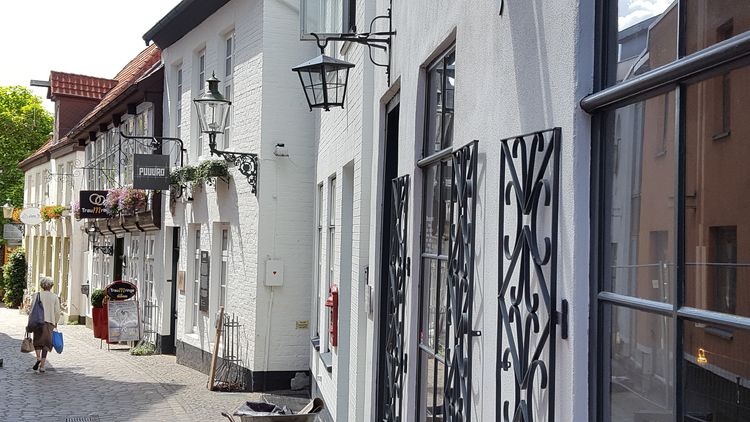
GESTRING: Das sind gleich mehrere Faktoren. Die Fußgängerzone hat eine beschauliche Baustruktur, die sehr übersichtlich ist und fast die gesamte Altstadt umfasst. Man kann dort einfach gut flanieren. Lange Zeit war zudem eine Oldenburger Besonderheit, dass es viele inhabergeführte Geschäfte gab – also Einzelgeschäfte, die ein spezielles Sortiment haben, das der Eigentümer selbst zusammengestellt hat. In anderen Städten wie Bremen oder Hamburg hatten sich zu der Zeit längst Filialen von den immer gleichen großen Ketten breit gemacht. Dieser Trend war in der Oldenburger Fußgängerzone lange Zeit weniger stark ausgeprägt. Im Einkaufcenter Schlosshöfe dagegen sind die Filialen so präsent, dass ein austauschbares Ambiente entstanden ist, das sich nicht von Einkaufscentern (Malls) in Braunschweig oder Oberhausen unterscheidet.
FRAGE: Haben Sie dafür eine Erklärung, dass in Oldenburg inhabergeführte Geschäfte so bedeutsam waren?
GESTRING: Ich vermute, dass der ökonomische Druck hier in Oldenburg einfach nicht so groß ist. Die Mieten sind nicht so hoch wie in Bremen oder Hamburg. Außerdem sind in Oldenburg vergleichsweise viele Altstadthäuser im Besitz von Händlerfamilien. Das macht sie von den Mietpreisen unabhängig, die Kosten sind überschaubar.
FRAGE: Wie ist man eigentlich auf die Idee gekommen, Fußgängerzonen einzurichten?
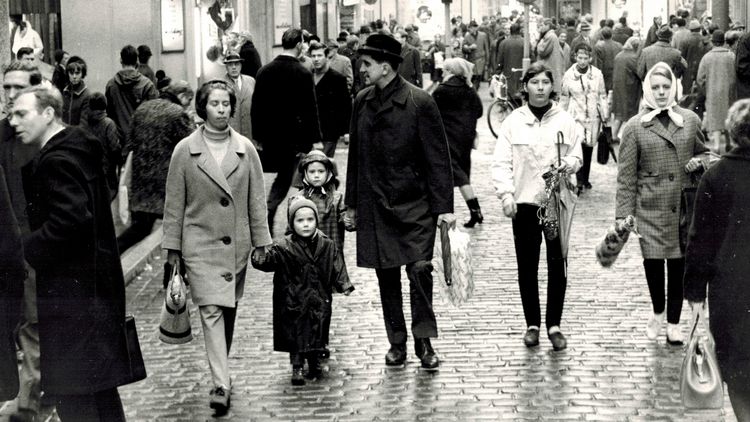
GESTRING: Dafür gab es mehrere Impulse. Zunächst war es in den Altstädten sehr eng, auch in Oldenburg. Wenn man sich alte Fotos der Achternstraße anguckt, sieht man, dass die Autos fast den gesamten Platz zwischen den Häusern benötigten und es nur einen sehr schmalen Bürgersteig gab. Das spitzte sich durch den zunehmenden Verkehr in den 1960er-Jahren weiter zu. Außerdem wurde der Konsum von Bekleidung und Unterhaltungswaren zu der Zeit ein Massenphänomen. Dazu passte es hervorragend, eine Fußgängerzone einzurichten. Es geht ja darum, dass man nicht nur bei einem Laden gezielt vorfährt, sondern sich auch mal einen Samstagvormittag Zeit nimmt und einfach bummelt.
FRAGE: Shopping als neues Wochenendvergnügen – spiegelt dies die damalige Gesellschaft wider?
GESTRING: Ja, es war eine Zeit wachsenden Wohlstands. Mit der ganzen Familie in die Stadt zum Bummeln – das ist Teil des Konsummodell der 1960er- und 1970er-Jahre. Bis in die 1980er-Jahre hinein war die Fußgängerzone ja quasi konkurrenzlos. Wenn man etwas einkaufen wollte, was über den alltäglichen Bedarf hinausging, musste man in die Fußgängerzone. Später kamen dann die großen Einkaufscenter außerhalb der Städte, zu denen man mit dem Auto hinfuhr. Auch das hat sich wieder gewandelt, denn diese Malls sind mittlerweile in die Innenstädte gekommen und zur Konkurrenz für den alten Einzelhandel in der Fußgängerzone geworden.
FRAGE: Aber ist es nicht gut, wenn alle Geschäfte nah beieinander sind und die Innenstadt so einen klaren Schwerpunkt bekommt?
GESTRING: Grundsätzlich ist es so, dass eine Stadt bestimmte Funktionen zu erfüllen hat: Wohnen, Arbeit, Freizeit, Konsum. Diese Funktionen wurden in den vergangenen hundert Jahren räumlich getrennt – die Fußgängerzone ist ein gut sichtbares Beispiel für diese Entwicklung. Diese räumliche Trennung hatte damit zu tun, dass die Industriestädte im 19. und frühen 20. Jahrhundert aufgrund der Emissionen der Industriebetriebe dreckig, ungesund und insgesamt unerträglich waren. In den 1920er- und 1930er-Jahren wurde die Trennung der Funktionen zum Leitbild des Städtebaus. Man richtete beispielsweise reine Wohngebiete ein, in denen es gute Luft und viel Licht gab – aber leider kein einziges Geschäft, keine Kultureinrichtung, oft nicht einmal Kneipen: Da herrschte die reine Langeweile. Diese Funktionstrennung wird seit langem beklagt und man versucht, das wieder stärker zu mischen. Ein Gebiet zu haben, das nur dem Konsum dient, wird zum Auslaufmodell, wenn sich der Konsum da nicht mehr hält…
FRAGE: …zum Beispiel weil es immer mehr Einkaufscenter gibt oder die Menschen vermehrt im Internet einkaufen. Steht die Fußgängerzone also vor dem Aus?
GESTRING: Das würde ich so nicht sagen. Es wäre aber sicher sinnvoll, sich zunehmend Gedanken zu machen, wie man die Fußgängerzone auch jenseits des Konsums so attraktiv gestalten kann, dass sie nicht nach Geschäftsschluss nahezu verödet wirkt. Wenn es Leerstände gibt, sollte man ruhig jetzt schon einen Strukturwandel einleiten. Also nicht unbedingt wieder einen Laden einziehen lassen, sondern vielleicht lieber ein besonderes Café, ein Kulturprojekt, eine Begegnungsstätte oder ein Jugendzentrum.
FRAGE: Was würden wohl die Händler dazu sagen?
GESTRING: Ich denke schon, dass es große Widerstände geben wird. Viele Einzelhändler wollen ja gern alles sauber und sicher haben, wie in einem Einkaufscenter eben. Aber genau das würde den Reiz der Fußgängerzone kaputt machen. Das wäre dann kein lebenswerter öffentlicher Raum mehr, sondern nur noch Langeweile auf glatten Flächen. Wenn Sie in den Schlosshöfen sind und sich umgucken, wissen sie ja gar nicht, ob Sie in Braunschweig oder Hamburg oder Oldenburg sind. Das ist in der Fußgängerzone anders, da hat Oldenburg noch etwas Unerverwechselbares. Das ist es wohl, warum Oldenburger stolz auf ihre Innenstadt sind – und das auch entsprechend feiern werden.