Seltenen Pflanzen neue Standorte zu verschaffen und so beispielsweise Wiesen wieder artenreicher zu machen – dafür setzt sich der Vegetationskundler und Naturschutzexperte Rainer Buchwald gemeinsam mit seinen Studierenden ein.
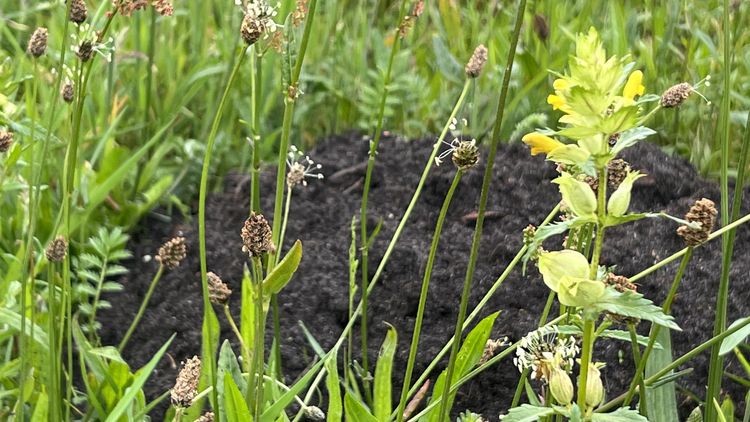
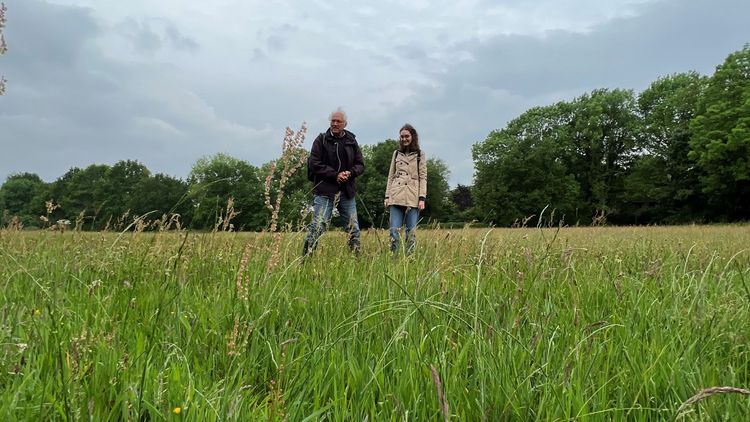
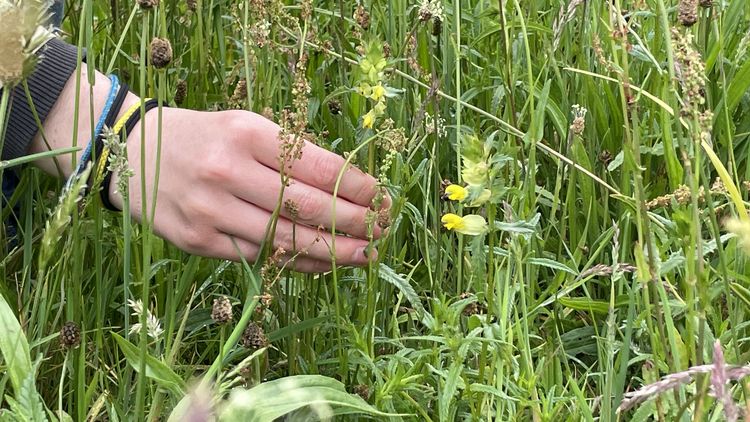
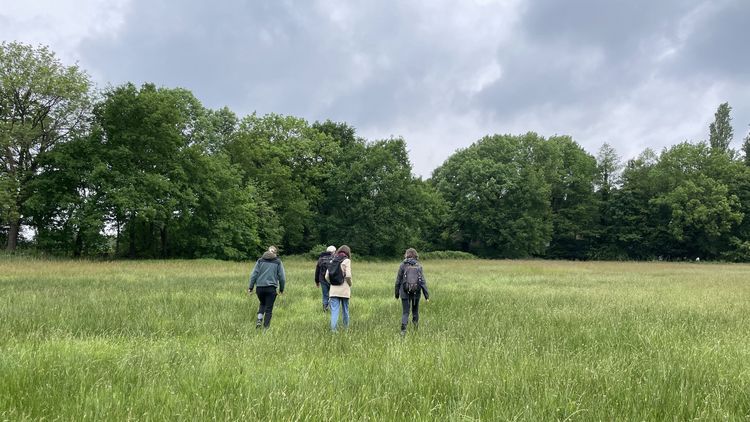
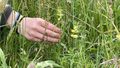
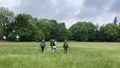
An diesem Maimorgen hat Rainer Buchwald seine Gummistiefel angezogen. Die Wiese in der Haarenniederung, auf die es geht, ist nass vom nächtlichen Regen. Buchwald und die Studentin Sarah Höbel stapfen suchend durchs hohe Gras, zwischen dem üppigen Grün sind einzelne Blüten von Hahnenfuß und Sauerampfer zu erkennen. Plötzlich bleiben beide stehen. „Hier ist er – der Große Klappertopf“, sagt Buchwald erfreut und deutet auf eine Ansammlung kleiner Pflanzen mit zitronengelben Blüten.
Der Naturschutzexperte und die angehende Landschaftsökologin haben sich an diesem Morgen verabredet, um zu sehen, wie sich der Bestand des Großen Klappertopfs entwickelt. Denn Wiesen, die diese Pflanze beherbergen, sind in Oldenburg eine Ausnahme. Der Große Klappertopf, dessen reife Samen bei Wind im Blütenkelch klappern, ist in ganz Deutschland selten geworden. Das Bundesamt für Naturschutz führt ihn auf der „Roten Liste“ der bedrohten Pflanzen. Buchwald und Höbel setzen sich dafür ein, dass sich die Pflanze wieder ausbreiten kann.
Der Große Klappertopf steht beispielhaft für ein grundsätzliches Problem: Über 1.000 der rund 5.500 heimischen Farn- und Blütenpflanzen gelten laut „Roter Liste“ als bestandsgefährdet, weitere 65 sind ausgestorben oder verschollen. Oft sind es menschliche Aktivitäten – etwa die Zerstörung von Lebensräumen, Umweltverschmutzung oder der Klimawandel – die die Arten gefährden. Fachleute sprechen längst von einer Biodiversitätskrise, die sich ähnlich wie die Klimakrise fundamental auch auf uns Menschen auswirkt.
„Die Biodiversitätskrise findet eher im Stillen statt.“
In Nordwestdeutschland hat vor allem die intensive landwirtschaftliche Nutzung der vergangenen Jahrzehnte die Artenvielfalt auf Wiesen reduziert. Auf stark gedüngten Flächen verdrängen wenige Gräser und schnell wachsende Kräuter wie Sauerampfer und Hahnenfuß weniger konkurrenzstarke Arten. Häufiges oder zu frühes Mähen schadet einjährigen Pflanzen wie dem Klappertopf. Sie überleben nur, wenn sie blühen, vor der Mahd Samen bilden und sich so wieder aussäen können.
Buchwald, der seit 2005 die Professur Vegetationskunde und Naturschutz an der Universität innehat, bereitet der Artenschwund Sorgen. „Biodiversität ist existenziell für unsere Lebensgrundlagen“, betont er. Blumenbunte Wiesen etwa böten Nahrung für Insekten, die wiederum als Bestäuber dafür sorgen, dass wir Nahrungsmittel wie Obst und Gemüse erhalten. Auch die genetische Vielfalt von Wildpflanzen sei wichtig, etwa für die Zucht von Nutzpflanzen. Allerdings nähmen es nur wenige wahr, „wenn wieder eine Art auf der Roten Liste landet“, sagt der Experte. „Die Biodiversitätskrise findet eher im Stillen statt.“
Der Hochschullehrer betrachtet es daher als wichtige Aufgabe, Studierenden den Wert der biologischen Vielfalt zu vermitteln und sie gleichzeitig ganz praktisch an angewandte Fragen des Naturschutzes heranzuführen. Im Mittelpunkt stehe dabei die Restitutionsökologie: „Viele Landschaften sind heute so degradiert, dass sie sich nicht selbst regenerieren können“, erläutert er. Sie müssten wiederhergestellt, renaturiert werden.
Forschung, Lehre und Naturschutz zusammendenken
Dies geschieht auch mit dem ehemals stark genutzten Grünland an der Haaren. Der Große Klappertopf konnte dort dank Buchwald und Studierenden der Umweltwissenschaften und Landschaftsökologie wieder Fuß fassen. Das Team hat in mühsamer Kleinarbeit gezielt Klappertopfsamen auf einem der zwei in Oldenburg verbliebenen Standorte gesammelt und auf der Wiese ausgebracht. Damit das Sommerwurzgewächs und andere Blütenpflanzen gedeihen können, erfolgt die einzige Mahd erst ab Anfang Juli – das hat die Stadt Oldenburg, die die Wiese an einen landwirtschaftlichen Betrieb verpachtet hat, zur Bedingung gemacht.
Die Forschenden und Studierenden um Buchwald kümmern sich in Oldenburg um weitere gefährdete Pflanzenpopulationen und Standorte, die wieder artenreicher werden sollen, etwa auf dem Fliegerhorst. Das Team kooperiert dabei eng mit der Stadt, die Gelder für das Ausbringen der Pflanzen zur Verfügung stellt. „Wir als Universität übernehmen das Monitoring und untersuchen in Abschlussarbeiten beispielsweise die Bodenchemie – auch, um gute Standorte für die Arten zu finden, die wir wieder ansiedeln wollen“, erläutert er.
Dass Forschung, Lehre und Naturschutz vor Ort auf diese Weise Hand in Hand gehen, ist Buchwald wichtig. Er möchte etwas bewirken. Wie beispielsweise Wiesen, die weder besonders feucht noch trocken sind, renaturiert werden können, hat er selbst lange erforscht. „Solche mesophilen Wiesen waren lange nicht geschützt. Jetzt sind diese seit Herbst vergangenen Jahres in Niedersachsen geschützte Biotope. Das ist ein Riesenerfolg, dafür hat der Naturschutz 20 Jahre lang gekämpft“, sagt er.
In zehn könnte die Wiese richtig bunt sein.
Auf einer Monitoring-Probefläche der Wiese in der Haarenniederung kommen bisher nur rund zehn bis zwölf Pflanzenarten vor, schätzt Buchwald. Neben dem Klappertopf werden daher weitere Arten angesiedelt, wie der Schlangenknöterich oder die Trauben-Trespe. Immerhin: Der Große Klappertopf hat schon begonnen, sich auszubreiten. Vor der Mahd wird Masterstudentin Höbel genau nachzählen, wie viele Pflanzen es bereits gibt. Von einem Drittel der verblühten Pflanzen sammelt sie dann Samen, um diese an anderen Standorten zu verteilen.
Die Arbeit, die sie im Rahmen eines Werkvertrags durchführt, macht Höbel Spaß. „Ich bin gerne in der Natur unterwegs. Und es fühlt sich gut an, wenn sich der Bestand der Pflanzen positiv entwickelt“, sagt sie. Auch für Buchwald ist der Einsatz für die Biodiversität nicht nur eine Sache des Verstandes. „Mich beglückt jede Fläche mit einem gewissen Blüten- und Artenreichtum“, sagt er und lässt den Blick über die Wiese schweifen: „Auch hier könnte es in zehn Jahren richtig bunt sein.“