
Wer mit Multipler Sklerose lebt, benötigt oft Hilfsmittel, um mobil bleiben zu können. Wie sich bundesweit mehr als 240.000 Erkrankte bedarfsgerecht damit versorgen lassen, untersucht ein neues Kooperationsprojekt.
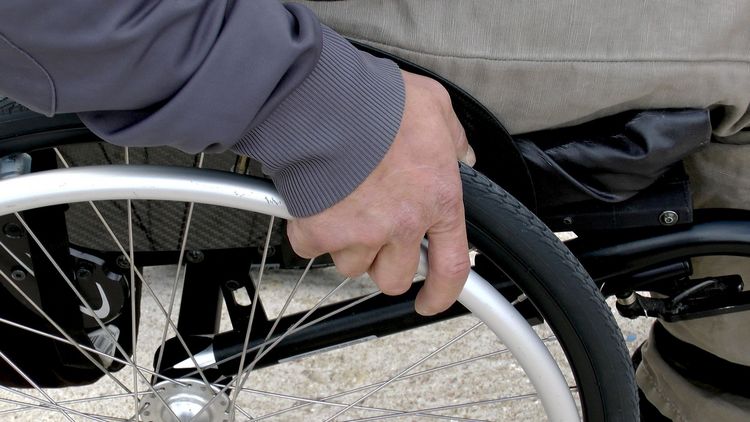
Sie ist die häufigste chronisch entzündliche Erkrankung des zentralen Nervensystems und verläuft in Schüben – die Multiple Sklerose. Fast eine Viertelmillion Menschen bundesweit, davon ungefähr ein Zehntel in Niedersachsen, leben mit dieser Diagnose. Menschen mit MS bewältigen ihren Alltag ungeachtet körperlicher, kognitiver und emotionaler Beeinträchtigungen. Dabei sichern Rollstühle, Geh- und Einstiegshilfen, aber auch Seh- und Kommunikationshilfen die berufliche und gesellschaftliche Teilhabe.
Wie lassen sich MS-Patienten – neben dem Zugang zu Ärzten und Medikamenten – bedarfsgerecht mit diesen Hilfsmitteln versorgen? Dieser Frage gehen die Oldenburger Versorgungsforscherin Dr. Anna Levke Brütt und die Sonderpädagogin Prof. Dr. Annett Thiele in den kommenden drei Jahren im Kooperationsprojekt „Multiple Sklerose – Patientenorientierte Versorgung in Niedersachsen“ (MS-PoV) nach.
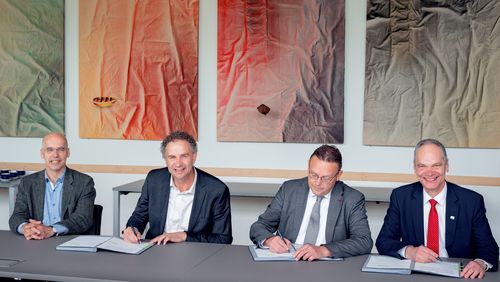
Unter der Ägide der Medizinischen Hochschule Hannover (MHH) haben sich in dem neuen Projekt Wissenschaftlerinnen und Wissenschaftler mit der Allgemeinen Ortskrankenkasse (AOK) Niedersachsen als Kostenträger und der Deutschen Multiple Sklerose Gesellschaft (DMSG) als Patientenverband zusammengeschlossen. Neben dem DMSG-Landesverband Niedersachsen ist auch die MS-Forschungs- und Projektentwicklungs gGmbH beteiligt, die das Patientenregister verwaltet.
So kann das Team unterschiedliche Datenquellen – darunter auch Abrechnungs- und Registerdaten – zu einem Gesamtbild der aktuellen Versorgungssituation zusammenfügen sowie regionale Unterschiede und mögliche Defizite ausmachen. Der Innovationsfonds des Gemeinsamen Bundesausschusses, des höchsten Beschlussgremiums der Selbstverwaltung im deutschen Gesundheitswesen, fördert das Projekt mit 1,3 Millionen Euro.
Der Impuls für das Projekt kam aus den Reihen MS-Betroffener in Niedersachsen, berichtet Brütt. Die DMSG habe von den unterschiedlichen Versorgungssituationen ihrer Mitglieder erfahren. Bereits in einer ersten Umfrage unter 161 Erkrankten habe der Patientenverband Unterschiede zwischen Stadt und Land ausgemacht, etwa bei den Wartezeiten auf Arzttermine nach einem Schub. „Da dies nur einen Ausschnitt der tatsächlichen Versorgungssituation beleuchtet“, so Brütt, wollten die Oldenburger Forscherinnen mit den Kooperationspartnern die tatsächliche Versorgungssituation nun wissenschaftlich analysieren.
Während Thiele und Brütt sich auf das Thema Hilfsmittel konzentrieren, werden die MHH-Wissenschaftler vom dortigen Institut für Epidemiologie, Sozialmedizin und Gesundheitssystemforschung die ärztliche und medikamentöse Versorgung von MS-Patienten in den Blick nehmen. „Ein Schwerpunkt des Projekts insgesamt liegt auf regionalen Unterschieden – insbesondere zwischen ländlichen und städtischen Gebieten – und dem Vergleich unterschiedlicher MS-Formen und Schweregrade“, erläutert Rehaforscherin Brütt.
Konkret planen die Oldenburger Wissenschaftlerinnen zunächst ein exploratives Vorgehen. „Wir wollen etwa in Gruppendiskussionen mit Ärztinnen und Ärzten, Patientinnen und Patienten eruieren, welche Hilfsmittel an welchem Punkt des Krankheitsverlaufs ins Spiel kommen und wie sie tatsächlich genutzt werden“, erläutert Brütt. Eine anschließende Online-Befragung von AOK-Versicherten ziele darauf ab, „identifizierte Probleme in einer größeren Gruppe zu untersuchen“. Zum Abschluss wird das Projekt in einer „Zukunftswerkstatt“ Erkrankte, Versorgende und Kostenträger beteiligen, um gemeinsam mögliche Verbesserungsvorschläge für die Versorgung mit Hilfsmitteln zu erarbeiten.