
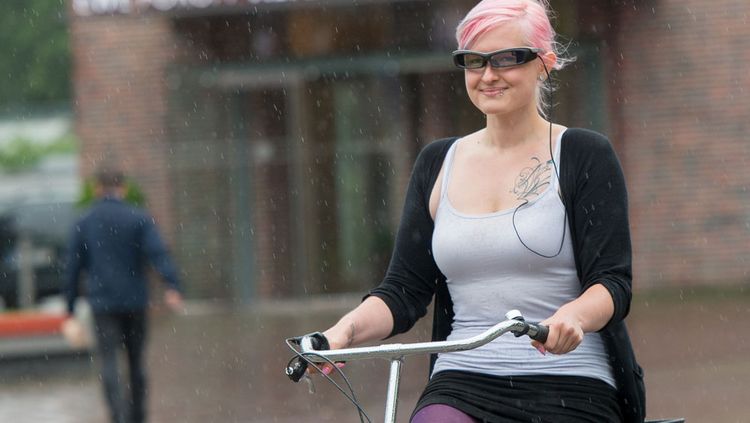

Klein und immer online: An Brillen, Schmuck oder Fahrradhelmen verborgene „intelligente Kameras“ könnten unser Leben im öffentlichen Raum schon bald komplett digitalisieren. Ein neues Forschungsprojekt analysiert technische Chancen und juristischen Regelungsbedarf – Projektleiter Jürgen Taeger im Interview.
FRAGE: Smart Cams, intelligente Kameras, stehen im Zentrum Ihres Forschungsprojekts CHARISMA – wie präsent sind sie schon jetzt in unserem Alltag?
TAEGER: Smart Cams sind als neue Technik auf dem Weg, ein ganz großer Renner zu werden, allen voran die sogenannten Datenbrillen. Gleichzeitig merken die Hersteller, dass es Widerstände gibt von Personen, die im öffentlichen Raum von Smart Cams aufgenommen werden könnten. Es gibt auch in der juristischen Literatur Kritik, weil Persönlichkeitsrechte wie das Recht am eigenen Bild verletzt werden können, wenn Aufnahmen von Personen ohne deren Zustimmung verbreitet werden. Deswegen ist die Nachfrage nach Smart Cams zwar da, aber Hersteller sind mit der Verbreitung noch eher vorsichtig. Datenbrillen etwa sieht man in der Öffentlichkeit noch nicht so häufig, weil sie bislang nicht für die Allgemeinheit angeboten werden, die Technik noch recht teuer ist und keine überzeugenden Anwendungsfälle erkennbar sind. Außerdem können Träger unter Umständen Probleme mit Mitmenschen bekommen.
FRAGE: Können Sie ein Beispiel nennen?
TAEGER: Fluggesellschaften beispielsweise verbieten das Tragen von Datenbrillen, weil sie nicht wollen, dass ihre Kunden von anderen Personen gefilmt werden und dann verbreitet wird, wer wann wohin fliegt. Denn in diesen Brillen haben Sie ja nicht nur eine Bild- und Tonaufnahme, sondern auch einen kleinen Bildschirm, auf dem Sie – über einen verbundenen Computer oder ein Smartphone – dank Bilderkennung eine Reihe an Zusatzinformationen aus dem Internet über Ihr Gegenüber einblenden lassen können. Das verunsichert natürlich. Die Technik ist aber da und wird immer weiter verfeinert. Da die Hersteller die Elemente weiter miniaturisieren, wird eine Datenbrille mittelfristig kaum noch von einer regulären Sehhilfe zu unterscheiden sein. Das wird also in den nächsten Jahren trotz vieler Widerstände zweifellos kommen. Wir werden sehen, ob sie im öffentlichen Raum uneingeschränkt getragen werden können oder ob Verbote zunehmen.
FRAGE: Neben der Datenbrille gibt es ja noch andere „smarte“ Kameras …
TAEGER: Ja, schon gängiger sind sogenannte Narrative Clips, das sind kleine unscheinbare Fotoapparate, die automatisch in einstellbaren Zeitabständen Fotos von der Umgebung des Trägers machen. Sie können diesen Clip an der Kleidung anbringen oder ihn an einer Schnur um den Hals hängen, und wenn dieser Clip aktiviert wird, nimmt er die Umgebung auf – beim Joggen oder Fahrradfahren, im Urlaub beim Wandern…
FRAGE: … oder eben beispielsweise auf dem Weg über den Uni-Campus.
TAEGER: Genau. Genutzt werden diese Narrative Clips oder Bodycams von denjenigen, die nicht mehr analog Tagebuch führen, sondern ihr Leben digital aufzeichnen möchten. Das ist natürlich auch sensibel, wenn man mit dem Clip in bestimmte Räume geht, selbst wenn es nur eine Cafeteria ist – von Umkleideräumen will ich gar nicht sprechen, das ist natürlich ein No Go. Dieses Gerät schaltet sich nämlich nicht selbst ab, das muss der Nutzer veranlassen. Und es speichert zu jedem Bild Datum, Uhrzeit und GPS-Koordinaten. Solche Clips machen das Fotografieren immer unauffälliger, und werden auch intensiv verkauft, die finden Sie jede Woche in den Werbeprospekten der Technikhäuser. Aber auch die Träger von Narrative Clips merken, dass es bei deren Einsatz zu Diskussionen und auch Anfeindungen kommen kann.
FRAGE: Ich muss also durchaus damit rechnen, dass mir in der Stadt jemand mit einem solchen Kameraclip entgegenkommt und mich womöglich fotografiert oder filmt?
TAEGER: Gar keine Frage! Was in der Bevölkerung darüber hinaus besonders bekannt ist, sind die sogenannten Dashcams hinter der Windschutzscheibe. Die nutzen auch Autofahrer in Deutschland, allerdings noch nicht so verbreitet wie in Osteuropa. Diese Kameras nehmen natürlich auch die Personen auf, die sich im Umfeld des Straßenverkehrs bewegen. Ein gesetzliches Verbot gibt es nicht, aber aufgrund des Rechts am eigenen Bild und des Datenschutzrechts sagt die Rechtsprechung fast ausnahmslos: Dashcams sind verboten. Es gibt genug Taxifahrer, die haben trotzdem solche Kameras und stören sich nicht daran – vielleicht wissen sie aber auch nicht, dass die Gerichte diese überwiegend für unzulässig halten.
FRAGE: Wie reagieren Menschen, die registrieren, dass andere sie sozusagen beobachten – sie fotografieren oder filmen?
TAEGER: Das ist eine der Fragen, mit denen wir uns befassen wollen. Unser Projekt ist interdisziplinär ausgerichtet. Es sind zum einen Juristen dabei, die vor dem Hintergrund von Verfassung und Gesetzen analysieren, ob es derzeit ein Recht gibt, diese Geräte im öffentlichen Raum nutzen zu dürfen oder nicht. Dann kommen die am Projekt beteiligten Informatiker ins Spiel bei der Frage: Wie lässt sich die Technik anders gestalten, um Rechtsverletzungen zu vermeiden? Wir nennen das „Privacy Enhancing Technologies“. Hier sollen die Informatiker Vorschläge erarbeiten, wie Persönlichkeitsrechte auch durch technische Lösungen gewahrt werden können. Und wir haben Sozialwissenschaftler mit dabei, die empirisch erheben sollen, wie die Bevölkerung jetzt – und am Ende der zweijährigen Projektlaufzeit – reagiert.
FRAGE: CHARISMA ist im August gestartet. Was sind erste Schritte?
TAEGER: Wir sehen uns den Stand der Technik genau an und entwickeln, darauf aufbauend, nun Szenarien. Wir gehen dabei von Personen aus, die typischerweise bestimmte Gruppen in der Gesellschaft abbilden: der junge smarte, technikaffine Single, der alleinerziehende Elternteil, Familien mit drei Kindern – also Personengruppen, die Smart Cams nutzen wollen. Für welche Zwecke könnten sie diese nutzen, welche Einsatzmöglichkeiten ergeben sich? Nur wenn wir das betrachten, können wir Chancen, Risiken und auch die juristische Dimension abschätzen. Da spielt neben Persönlichkeitsrechten und Datenschutz auch das Urheberrecht eine Rolle, zum Beispiel möchten der Kinobetreiber und der Inhaber einer Filmlizenz nicht, dass beim Kinobesuch der Film mitgeschnitten wird. Wenn wir dann noch die sozialwissenschaftlichen Erhebungen durchgeführt haben, erwartet die Politik am Ende Anregungen von uns, etwa für eine zukünftige Regulierung.
FRAGE: Dabei wollen Sie aber offenbar nicht nur der Politik, sondern auch der Industrie Anregungen geben, wie sie besser Rücksicht auf die Rechte anderer nehmen könnte.
TAEGER: Ganz genau. Da ist vieles denkbar: Gesichter automatisch zu verpixeln, Kameras in nichtöffentlicher Umgebung wie der Sauna automatisch abzuschalten, die persönliche Ablehnung gegen Aufnahmen für Kameras erkennbar machen – so etwas. Darum kümmern sich als unsere Verbundpartner eben die Informatiker aus dem OFFIS.
FRAGE: Einige Risiken von Smart Cams haben Sie genannt. Wo sehen Sie die Chancen dieser Technologie?
TAEGER: Bei sogenannten Bodycams, die die Polizei in einigen Bundesländern bei Feldversuchen einsetzt, liegt es auf der Hand, dass sie bei der Gefahrenabwehr oder Strafverfolgung Personen damit leichter identifizieren und Vorgänge dokumentieren können. Kleine Hochleistungskameras im Fußballstadion können klären helfen, wer Pyrotechnik gezündet oder einen Gegenstand aufs Spielfeld geworfen hat. Für bestimmte Berufsgruppen kann es sehr hilfreich sein, Aufnahmen bei ihrer hoch spezialisierten Arbeit in andere Teile der Welt zu übermitteln. Dashcams können die Polizei unterstützen, Unfallverursacher festzustellen. Natürlich mag auch das Interesse eines Liveloggers legitim sein, der sein Leben digital aufzeichnen möchte. All‘ das könnten mögliche Interessen sein, von denen wir noch nicht so viele sehen, die es aber wohl geben wird, sonst wäre die Nachfrage nach diesen Kameras nicht so groß. Diese gilt es dann abzuwägen gegen die Interessen derjenigen, die aufgenommen werden. Auch die von den immer beliebteren Drohnen aus der Luft aufgenommenen Bilder berühren einerseits Persönlichkeitsrechte und gefährden mitunter den Flugverkehr oder Passanten, wenn sie außer Kontrolle geraten – sie ermöglichen aber traumhafte Landschafts- und auch Sportaufnahmen.
FRAGE: Sie als Informationsrechtler befassen sich ja sozusagen mit beiden Seiten der Medaille. Ist es gemeinhin so, dass die Begeisterung für den technischen Fortschritt auf juristische Bedenken trifft?
TAEGER: Viele Menschen verbinden mit technischen Entwicklungen zu Recht große Erwartungen und Hoffnungen. Das gilt grundsätzlich auch für Juristen, die als Informationsrechtler keineswegs den technischen Fortschritt behindern wollen. Gleichwohl müssen wir aus rechtlicher Perspektive auch auf Risiken für die Individuen und die Gesellschaft aufmerksam machen. Das wird von uns erwartet, auch um die Akzeptanz der digitalen Anwendungen in der Gesellschaft zu gewährleisten. Das Ziel ist es, erforderlichenfalls Regelungen zu finden, die den rechtskonformen Einsatz möglich machen.
FRAGE: Nutzen Sie selbst auch eine smarte Kamera in einer der genannten Formen?
TAEGER: Für das Projekt haben wir verschiedene Kameras für die ersten Tests angeschafft, aber ich persönlich werde auf diese Weise mein Leben nicht archivieren. Ich kann mir noch nicht recht vorstellen, wie aus der Menge an Bildinformationen das für mich Wertvolle herauszufiltern ist – bei aller Big Data Technologie. Die von uns gefundenen Einsatzszenarien zeigen aber durchaus nutzbringende Anwendungen.