

In einem Citizen Science-Projekt haben Freiwillige die Stickstoffbelastung von Gewässern untersucht. Gestern stellte das Team die Ergebnisse vor.
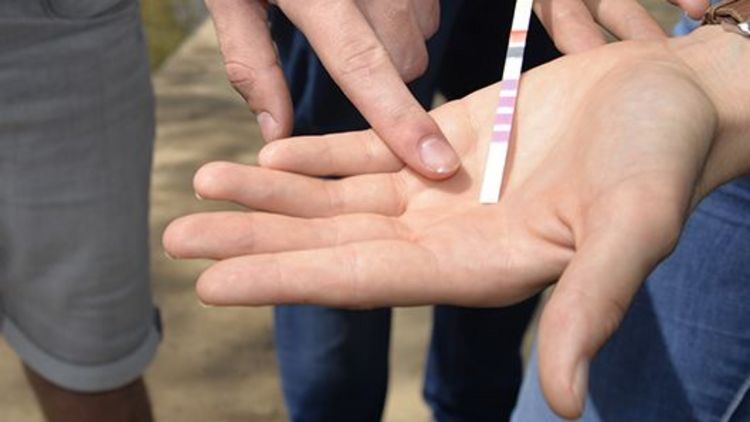
Genau 8754 Gewässerproben sammelten die 800 Teilnehmerinnen und Teilnehmer eines von den Universitäten Oldenburg und Osnabrück koordinierten Bürgerwissenschaftsprojekts von September 2019 bis März 2021. An mehr als 540 Standorten in den Landkreisen Osnabrück, Vechta, Emsland und Cloppenburg sowie der Stadt Osnabrück untersuchten die Freiwilligen mit speziellen Teststäbchen Brunnenwasser, Quellenwasser, Fließgewässer, Standgewässer und Regenwasser, um anhand von Farbschattierungen einen Überblick über den Nitratgehalt zu bekommen.
Ein großer Teil der beprobten Fließgewässer weist den Ergebnissen zufolge zu hohe Nitratbelastungen auf, berichtete das Projektteam auf einer Veranstaltung in der Katholischen Akademie Stapelfeld in Cloppenburg. Die Wissenschaftlerinnen und Wissenschaftler der Universität Osnabrück stuften drei Viertel der beprobten Fließgewässer als hoch oder sehr hoch belastet ein und bestätigten damit Ergebnisse früherer Untersuchungen.
„Eine hohe Nitratbelastung ist sowohl für die Gewässerökologie als auch für die menschliche Gesundheit bedenklich“, sagt Melanie Vogelpohl, Referentin für Umweltinformationsvermittlung bei der Deutschen Bundesstiftung Umwelt (DBU). „Die Problematik ist durch das hohe Engagement von Bürgerinnen und Bürger stärker ins Bewusstsein gerückt.“
Bürgerinnen und Bürger leisten wichtigen Beitrag
Im Mittelpunkt des von der Stiftung geförderten Projekts stand der Citizen Science-Ansatz: Die Forschenden haben Bürgerinnen und Bürger an naturwissenschaftlicher Forschung beteiligt. „Die Ergebnisse zeigen, dass Freiwillige einen wichtigen Beitrag zur Forschung zum Thema Gewässerschutz leisten können“, betonte Prof. Dr. Marco Beeken von der Universität Osnabrück. Der Chemiedidaktiker hatte das Projekt gemeinsam geleitet mit Prof. Dr. Verena Pietzner – bis Ende letzten Jahres Chemiedidaktikerin an der Universität Oldenburg, heute Präsidentin der Universität Vechta. Der Ansatz, Freiwillige zu beteiligen, habe sich bewährt, betonte Pietzner: „Die hohe Zahl von 800 Teilnehmerinnen und Teilnehmern zeigt, dass in der Region ein großes Interesse an Umweltthemen besteht.“
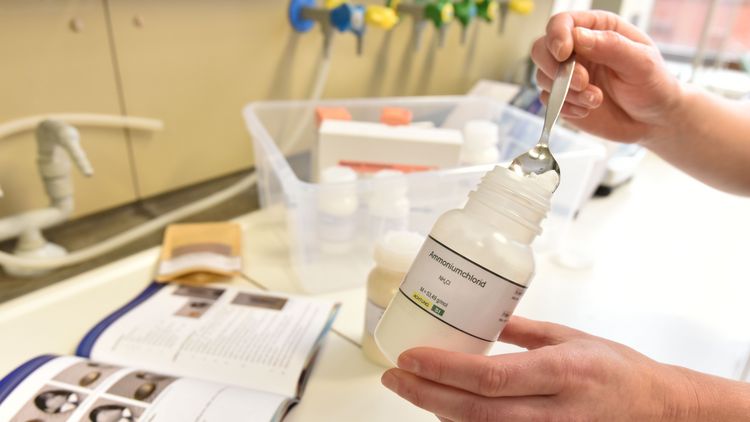
Interessierte konnten innerhalb des Projekts nicht nur Messwerte beisteuern, sondern auch weitere Angebote wie beispielsweise Schülerlabore, eine Online-Ausstellung oder eine von der Universität Oldenburg konzipierte Stickstoffbox mit Experimenten nutzen, um Einblicke in das Thema Stickstoffbelastung zu erlangen. In einer Begleitstudie untersucht die Universität Osnabrück aktuell, inwieweit die Teilnahme an dem Citizen Science-Projekt Einstellungen und Kenntnisse zum Thema Gewässerschutz verändert.
Großartiges Engagement
Unter den Freiwilligen, die sich im Projekt engagierten, waren auch 200 Schülerinnen und Schüler gemeinsam mit ihren Lehrkräften. „Ohne das großartige Engagement und so viele Teilnehmerinnen und Teilnehmer hätten wir weder diese Datenmenge erheben noch das Projekt so erfolgreich durchführen können“, sagt die Wissenschaftliche Mitarbeiterin Mientje Lüsse von der Universität Oldenburg. Der Citizen-Science-Ansatz könne eine innovative Rolle in der wissenschaftlichen Forschung spielen und gleichzeitig Bildung vermitteln.
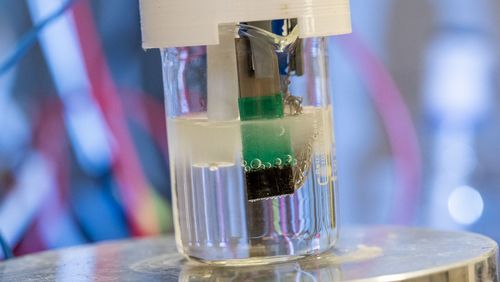
Die Messergebnisse zeigten eine hohe Übereinstimmung mit den Resultaten anderer Messinitiativen wie beispielsweise den Brunnenwassermessungen des Umweltvereins VSR-Gewässerschutz. Beeken zeigte sich mit der Qualität der Ergebnisse zufrieden: „Die verwendeten Teststäbchen sind zuverlässig genug, um einen Überblick über die Nitratbelastung zu gewinnen und räumliche und zeitliche Entwicklungen zu verfolgen. Um in weiteren Projekten genauere Messungen durchzuführen, entwickeln wir gerade eine Messmethode mit einem Farbsensor und Elementen aus dem 3D-Drucker.“
Hohe Belastungen vor allem in Fließgewässern
Anhand der Daten untersuchte das Team, welche Faktoren die Nitratbelastung beeinflussen. „Die Messungen der Bürgerinnen und Bürger zeigen, dass schmale Bäche wie der Bornbach in der Nähe von Damme besonders gefährdet sind, da bereits ein geringer Nitrateintrag zu hohen Konzentrationen führt“, erläutert Projektmitarbeiterin und Doktorandin Frauke Brockhage von der Universität Osnabrück. Stehende Gewässer wie Seen weisen der Auswertung zufolge eine geringere Belastung auf als Fließgewässer, doch auch hier zeigten sich bei einem knappen Viertel der Messstellen hohe oder sehr hohe Nitratbelastungen. Unter den beprobten Brunnen überschritt etwa ein Sechstel den gesetzlichen Grenzwert von 50 Milligramm pro Liter. Insbesondere die Zusammensetzung des Bodens spielt der Analyse zufolge bei der Belastung des Grundwassers eine große Rolle: So traten in Geestgebieten mit sandigen Böden besonders hohe Nitratkonzentrationen auf.
Die Nitratbelastung der beprobten Fließgewässer ist, so Brockhage, in städtischen und landwirtschaftlich genutzten Flächen höher als in Wäldern und naturnahen Flächen. Über die konkreten Ursachen dafür können die Forschenden anhand der Daten jedoch keine Aussagen machen. Bekannt ist, dass Düngemittel aus der Landwirtschaft eine große Quelle von Nitrat in Gewässern sind. Aber auch Industrie, Verkehr und Abwässer tragen zur Belastung bei. Hohe Nitratwerte führen zu einer Überdüngung von Gewässern mit Algenblüten und Sauerstoffmangel und erhöhen die Kosten für die Trinkwassergewinnung und -aufbereitung. In Folgeprojekten will das Team die Frage nach den Ursachen genauer untersuchen.
Das Projekt wurde durch einen Beirat begleitet, in dem unter anderem der Niedersächsische Landesbetrieb für Wasserwirtschaft, Küsten- und Naturschutz (NLWKN) sowie der Kreislandvolkverband Cloppenburg vertreten waren.