
Die Deutsche Bahn hat an Bahnhöfen den Einsatz von „Bodycams“ getestet. Bald soll das Sicherheitspersonal an Brennpunkten mit den Kameras ausgestattet werden. Ein Gespräch mit den Oldenburger Datenschutzexperten Jürgen Taeger und Edgar Rose.
FRAGE: Herr Taeger, was sind eigentlich Bodycams?
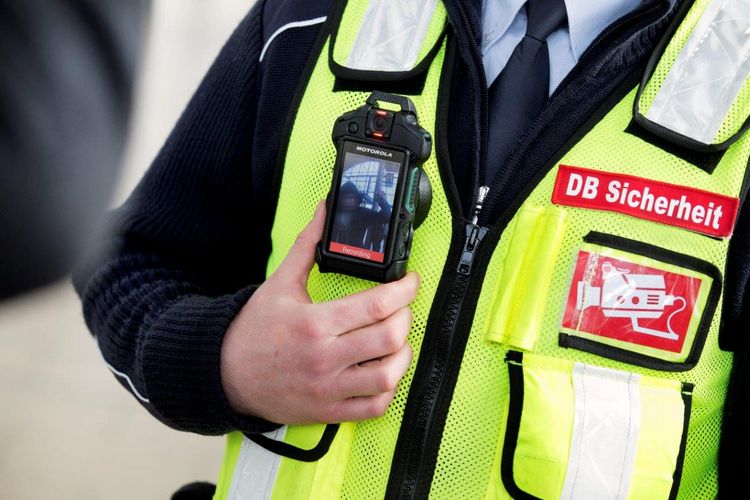
TAEGER: Bodycams sind an der Kleidung befestigte Kameras. Bei den Mitarbeitern der DB Sicherheit, einer Tochtergesellschaft der DB AG, sind sie im Brustbereich an der Uniform befestigt und haben einen Monitor, auf dem sich bei einer Aktivierung der Kamera die sich im Aufnahmebereich befindenden Personen sehen können.
FRAGE: Bodycams sollen künftig die ohnehin schon massive Videotechnik der DB in Bahnhöfen und Zügen ergänzen. Was ist der Grund?
TAEGER: Hier muss man zunächst differenzieren: Die fest installierten Videokameras an den Bahnhöfen werden auf Grundlage von § 27 Bundespolizeigesetz eingesetzt. Die Videoaufnahmen dieser Kameras werden von der Bundespolizei gespeichert und ausgewertet. Das gilt übrigens auch für die Videokameras in den Zügen. Verantwortlich für die Aufnahmen mit den Bodycams ist dagegen die DB Sicherheit. Der Konzern setzt die Videotechnik zum Schutz seiner Mitarbeiterinnen und Mitarbeiter sowie der Bahnkunden ein.
Besserer Schutz der Beschäftigten
ROSE: Diese Motivation ist verständlich, denn für die DB Sicherheit zu arbeiten, ist gefährlich. Ein paar Zahlen: bei 2.200 Beschäftigten gab es im letzten Jahr 1.207 Fälle von Körperverletzungen, die in 92 Fällen zu einer Arbeitsunfähigkeit führten und damit als meldepflichtige Arbeitsunfälle zählten. Die Tendenz ist steigend. Diese besondere Gefährdungslage ist der Grund, warum sich die Deutsche Bahn als Arbeitgeber etwas zum besseren Schutz der Beschäftigten einfallen lassen musste.
FRAGE: Herr Taeger, Sie sind Mitglied im Datenschutzbeirat des Konzerns und wurden gebeten, ein Rechtsgutachten zu erstellen. Was war für Sie die Grundlage?
TAEGER: Die DB Sicherheit ist ja kein polizeiliches Organ, so dass es keine Erlaubnis aus den Polizeigesetzes gibt. Videoaufnahmen sind aber personenbezogene Daten. Ihre Erhebung und Verarbeitung ist nur zulässig, wenn es dafür eine Erlaubnis gibt. Rechtsgrundlage bietet hier § 6b Bundesdatenschutzgesetz, wonach eine Videoüberwachung öffentlich zugänglicher Räume unter bestimmten Voraussetzungen statthaft ist: um das Hausrecht durchzusetzen oder um berechtigte Interessen für konkret festgelegte Zwecke zu wahren. Demgegenüber stehen die schutzwürdigen Interessen der Betroffenen – also der Menschen, die in den Fokus der Kamera geraten können. Und das sind bekanntlich an Bahnhöfen sehr viele: von unbeteiligten Passanten bis zu Störern und bekannten Straftätern. Sie alle haben fundamentale Rechte – etwa das Grundrecht auf informationelle Selbstbestimmung oder das Recht am eigenen Bild.
FRAGE: Nach der Interessensabwägung kommen Sie zu dem Schluss, dass Bodycams durchaus zum Einsatz kommen dürfen. Unter welchen Voraussetzungen?
ROSE: Zunächst einmal ist ein Einsatz nur dort gerechtfertigt, wo Gefährdungsschwerpunkte sind. Also nicht auf jedem Kleinstadtbahnhof, sondern dort, wo erfahrungsgemäß bedrohliche Situationen entstehen. In der Testphase setzte die Deutsche Bahn Körperkameras beispielsweise nur an den drei großen Bahnhöfen in Berlin, in Zügen der Regional- und S-Bahn zwischen diesen Bahnhöfen sowie am Kölner Hautbahnhof zur Karnevalszeit ein.
TAEGER: Eine weitere Anforderung ist Transparenz. Mitarbeiter mit Bodycams müssen alle eine Weste tragen – nicht nur um als Angehörige der DB Sicherheit erkannt zu werden. Auch, um darauf hinzuweisen, dass ein Kameraeinsatz erfolgen kann. Was aber nicht heißt, dass die Bodycam unter diesen Bedingungen bereits eingeschaltet sein darf. Da haben wir einen klaren Stufenplan definiert.
„Die Reaktionen sind zum Teil heftig“
FRAGE: Wie sieht der genau aus?
ROSE: Unsere Absicht ist, dass die gefährliche Situation deeskaliert und aufgelöst wird, noch bevor es zum Einsatz der Kamera kommt. Es geht hier um Pöbeleien und Belästigungen von Passanten, bis hin zu Übergriffen mit Körperverletzungen. In derartigen Szenarien ist bereits das Tragen der Warnweste die erste Stufe zur Deeskalation. Danach werden die Störer persönlich angesprochen, auch mit der Ankündigung, dass Aufnahmen gemacht werden, falls den Aufforderungen der DB Sicherheit nicht Folge geleistet wird. Als nächstes würden die Mitarbeiter den Bildschirm der Kamera aktivieren, noch ohne etwas aufzuzeichnen.
FRAGE: Die Person sieht sich also selbst auf dem Bildschirm, wie bei einem Selfie. Welche Wirkung hat das?
ROSE: Die Reaktionen sind zum Teil heftig – das wissen wir aus Interviews, die wir mit den Sicherheitskräften in der Testphase geführt haben. Die betroffenen Personen hoben zum Teil die Hände hoch, als wäre eine Schusswaffe auf sie gerichtet, oder sie rannten einfach davon. Das zeigt, wie stark die präventive Wirkung, sich selbst auf dem Monitor der Bodycam zu sehen, bereits ist. Zugleich zeigt es die hohe Intensität des Eingriffs in die Persönlichkeitsrechte, die von Bodycams ausgehen kann. Dafür braucht es also einen guten Grund, der hier in der hohen Gefährdungslage für DB Mitarbeiter und Passanten zu finden ist, und in dem streng am Grundsatz der Verhältnismäßigkeit ausgerichteten Einsatzkonzept. Die verantwortlichen Mitarbeiter müssen zudem sehr gut geschult sein, um verlässlich in solchen Situationen verhältnismäßig, Stufe für Stufe, vorgehen zu können.
TAEGER:Wenn schließlich auch dieses Aktivieren nur des Monitors nicht zur Deeskalation führen sollte, wird die Kamera tatsächlich – wiederum nach Ankündigung – eingeschaltet.
FRAGE: Wie beurteilen denn die bisher beteiligten Bahn-Mitarbeiter den Einsatz?
ROSE: Die Resonanz war sehr positiv, zumal die Ergebnisse aus der Testphase eine deutliche Sprache sprechen: Hochgerechnet auf die gleiche Zahl von Einsatzstunden kam es bei Streifengängen ohne Bodycams zu 30 Körperverletzungen; demgegenüber steht bei Streifengängen mit Bodycams lediglich eine Körperverletzung.
„Bei Gesichtserkennung ist die Rechtslage anders"
FRAGE: Themenwechsel: Viel diskutiert wird aktuell auch die biometrische Gesichtserkennung. Am Berliner Bahnhof Südkreuz wurde das mit Freiwilligen, von denen man Fotos im System hatte, getestet. Wie schätzen Sie diese Entwicklung ein?
TAEGER: Bei der Gesichtserkennung ist die Rechtslage ganz anders. Mit den Tests dieser noch nicht ausgereiften Technologie macht der Bund den ersten Schritt. Und genau das ist meine Sorge: dass darauf weitere Schritte folgen und dann irgendwann eine flächendeckende Videoüberwachung mit Gesichtserkennung in Deutschland Einzug hält. Das möchte ich persönlich nicht, und das wäre auch verfassungsrechtlich nicht zu legitimieren - weder nach der Europäischen Grundrechtecharta noch nach dem deutschen Grundgesetz. Selbst der geplante Testlauf am Südkreuz ist rechtlich unzulässig, zumal die Rechtfertigung, es läge eine Einwilligung der Probanden vor, nicht das Erfassen der anderen Passanten legitimieren kann, die auch von dem System gescannt werden.
FRAGE: Wie bewerten Sie in diesem Zusammenhang, dass der Gesetzgeber das Personalausweis- und Passgesetz geändert hat?
TAEGER: Sie sprechen den neuen § 25 Abs. 2 des Personalausweisgesetzes an, der im Juli in Kraft trat. Mit ihm wurde der Weg freigemacht für den Abruf biometrischer Lichtbilder aus den elektronischen Registern der dezentralen Meldebehörden durch die zentral organisierten Sicherheitsbehörden, also den Geheimdiensten und der Polizei. „Zur Erfüllung ihrer Aufgaben", wie es heißt. Selbst die Steuerfahndung und der Zoll dürfen die Lichtbilder abrufen und zentral speichern. Sogar bei Verkehrsordnungswidrigkeiten ist dies möglich.
„Frühzeitig auf Gefahren hinweisen“
FRAGE: Was machen die Sicherheitsdienste mit diesen Daten? Wann dürfen sie diese wofür nutzen?
TAEGER: Eine gute Frage. Es bedarf dafür zwar eines konkreten Anlasses, aber keiner richterlichen Anordnung, wie etwa bei einer Freiheitsentziehung oder einer Hausdurchsuchung, die auch einen Eingriff in die Grundrechte bedeuten.
FRAGE: Sind das die ersten Schritte in Richtung eines Überwachungsstaats?
TAEGER: Im Zusammenhang mit der jetzt getesteten Gesichtserkennung wäre das Material für flächendeckende Personenüberwachung technisch verfügbar. Das ist derzeit nicht Realität – wir sollten diese Entwicklung aus historischen Erfahrungen aber höchst sensibel beobachten und bewerten. Wir sind daher gut beraten, frühzeitig auf diese Gefahren hinzuweisen, um einer schleichenden Entwicklung zu mit dem Grundgesetz nicht zu vereinbarenden Überwachungsmaßnahmen entgegenzutreten.