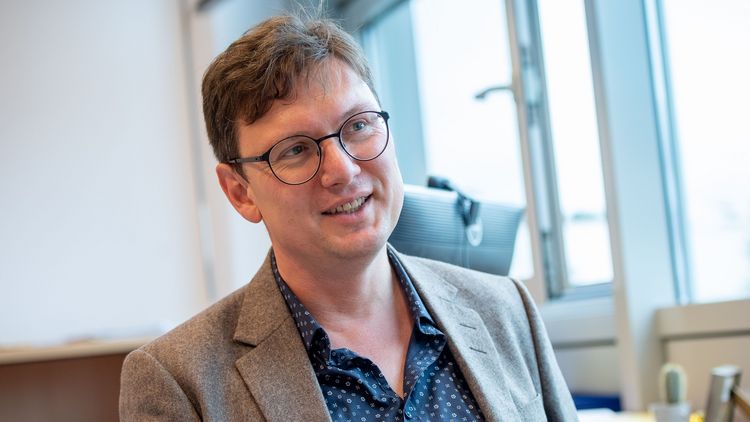
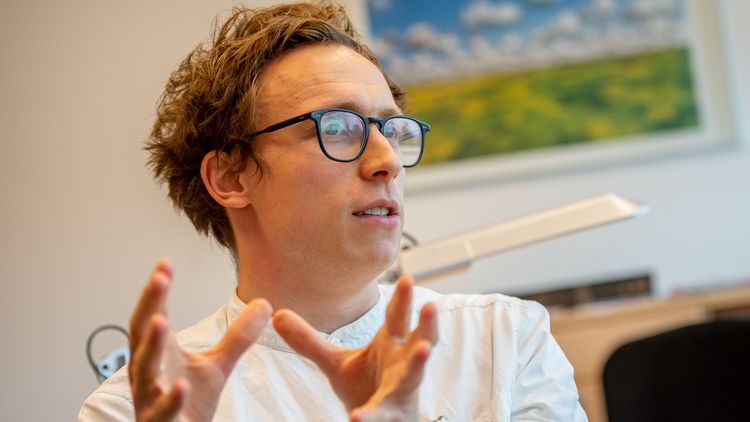



Was wir über Solidarität während der Pandemie gelernt haben, gilt auch für andere aktuelle Krisen, sagen die Medizinethiker Mark Schweda und Niklas Ellerich-Groppe. Ihr neuer Podcast beleuchtet daher Gestern, Heute und Morgen.
Zweieinhalb Jahre nach Beginn der Pandemie ist Covid-19 kein alles beherrschendes Thema mehr und über Solidarität spricht doch auch kaum jemand – oder?
Schweda: Diese Beobachtung greift zu kurz. Die Pandemie mag in den Schatten anderer Krisen getreten sein, etwa des Krieges in der Ukraine und der damit einhergehenden Energiekrise. In all diesen Krisen wird aber viel und vehement über Solidarität gesprochen – und das ist auch eine der Erkenntnisse aus unseren Untersuchungen: Solidarität ist ein Krisenbegriff, der beschworen wird, um gesellschaftlichen Zusammenhalt zu beschwören, der sich nicht befehlen oder bestellen lässt.
Ellerich-Groppe: Dass das Thema Pandemie in der öffentlichen Wahrnehmung etwas abflaut, heißt außerdem nicht, dass die in diesem Zusammenhang intensiv geführte Debatte über Generationenkonflikte und Solidarität vorbei ist. Die gab es vor der Pandemie, zum Beispiel als junge Menschen der Fridays-for-Future-Bewegung ältere Generationen für Umweltschäden verantwortlich gemacht haben, und die gibt es weiterhin, wenn die Folgen der Pandemie und zum Beispiel auch die Schuldenbremse aus der Perspektive verschiedener Generationen diskutiert werden. Die Pandemie hat uns ganz grundsätzlich gezeigt: Wenn wir über Krisen sprechen, lohnt es sich, die Generationendimension mitzudenken. Erst dann sind wir in der Lage, die Probleme umfassend zu begreifen, inklusive ihrer Ursache in der Vergangenheit und ihrer Wirkung auf die Zukunft.
Das heißt, Ihre Forschungsergebnisse über die Solidarität zwischen den Generationen während der Covid-19-Pandemie lassen sich auch auf andere Krisen übertragen?
Schweda: Das ist der Anspruch. Wir wollten exemplarisch aus den Auseinandersetzungen während der Pandemie lernen. Die Diskussionen über Solidarität in verschiedenen Krisen laufen nicht hundertprozentig getrennt voneinander. Es wird gegeneinander aufgerechnet: Wer war solidarisch in der Pandemie und verdient deshalb jetzt Solidarität? Junge Leute wurden etwa im ersten Lockdown unter dem Motto „stay home for grandma“ in die Verantwortung genommen, aus Solidarität zur älteren Generation. Seit einem Jahr nehmen wir verstärkt wahr, welche individuellen psychischen Folgen die Lockdown-Maßnahmen für diese Gruppe hatten. Das ist natürlich in den Köpfen, wenn jetzt darüber diskutiert wird, den Schulbetrieb einzuschränken, um Heizkosten zu sparen, weil man wieder die gleiche Gruppe zu den Leidtragenden einer Krise machen würde.
Ellerich-Groppe: Das mediale Ausspielen der Generationen lässt sich auch jetzt wieder beobachten. Wer kann am ehesten auf Wärme verzichten? Welche Generation hat die aktuelle Situation durch ihre politischen Entscheidungen zu verantworten? Dabei hat uns die Pandemie wieder einmal eines gezeigt: Dass wir am besten waren, wenn wir gemeinsam an einem Strang gezogen haben – ohne zu vergessen, dass unterschiedliche Generationen unterschiedliche Bedürfnisse haben und verschiedene Möglichkeiten mitbringen, Solidarität zu zeigen.
Was haben Sie über die Dynamik von Solidarität gelernt?
Schweda: Wir haben uns in unserer Arbeit intensiv den öffentlichen Mediendiskurs vom Beginn der Pandemie bis Mitte 2021 angeschaut und ein großes Spektrum verschiedener Printmedien ausgewertet. Die mediale Darstellung spielt eine große Rolle für die Solidarität. Das Polarisieren, das gegeneinander Ausspielen der Generationen, wurde dort stark inszeniert. Da besteht die Gefahr, dass der mediale Diskurs Gegensätze aufmacht, die die Bevölkerung gar nicht so stark wahrnimmt, weil für die individuelle Situation in der Krise zum Beispiel ökonomische Unterschiede eine größere Rolle spielen als die Zugehörigkeit zu einer bestimmten Generation. Es macht schließlich einen Unterschied, ob ich den Lockdown in einer 300-Quadratmeter-Vorstadtvilla mit Garten oder in einer Zweizimmerwohnung mit vier Geschwistern und streitenden Eltern erlebe.
Ellerich-Groppe: Solidarität funktioniert in Krisen besonders gut, wenn und solange wir das Gefühl haben, gemeinsam betroffen zu sein. Aber gerade darin liegt auch eine Grenze der Solidarität: Die Bereitschaft und die Möglichkeit zur Solidarität sinken, wenn die eigenen Probleme größer werden. Ressourcen sind beschränkt und wer in der Pandemie zum Beispiel plötzlich Job und Homeschooling über einen langen Zeitraum unter einen Hut bringen musste, kann die Bereitschaft zur Solidarität verlieren. Solidarität hängt maßgeblich davon ab, dass wir etwas als unser gemeinsames Ziel verstehen.
Schweda: Dieses Ziel muss jedoch in einem vernünftigen Verhältnis zu den Belastungen stehen, die zu seiner Verwirklichung eingeforderten werden. Wenn Bürgerinnen und Bürger das Gefühl bekommen, dass ihnen lediglich Solidarität abverlangt wird, weil versäumt wurde, rechtzeitig tragfähige politische Lösungen zu finden, ist es schnell vorbei mit der Solidaritätsbereitschaft. Solidarität ist eine knappe, nicht unendlich zur Verfügung stehende Ressource.
Dieses und andere Forschungsergebnisse aus dem zurückliegenden Projekt münden jetzt unter anderem in einen Podcast, der sich an Bürger*innen richtet. Warum ein Podcast?
Schweda: Das liegt in der Thematik des Projekts selbst begründet. Wir haben uns schließlich öffentliche Diskurse angeguckt und wollen unsere Ergebnisse nicht nur in der Fachliteratur publizieren, sondern auch direkt an die Menschen herantragen. Insbesondere geht es darum, eine sachliche, differenzierte Perspektive in einen oft unklaren Diskurs zu bringen. Außerdem haben wir gerade in der Pandemie gemerkt, dass Wissenschaftskommunikation ungeheuer wichtig ist. Das Vertrauen in die Wissenschaft ist gestiegen, aber es gibt viel Unsicherheit darüber, wie Wissenschaft funktioniert, warum Wissenschaftler unterschiedliche Dinge sagen oder ihre Ansicht im Zeitverlauf ändern. Deshalb wollen wir mit diesem Format auch unsere Arbeit transparent und verständlich machen.
Ellerich-Groppe: Die Herausforderung ist dabei, Inhalte einerseits aus wissenschaftlicher Sicht möglichst umfassend zu vermitteln und andererseits Menschen mit verständlichen und praktischen Informationen zu erreichen. Das steht manchmal im Widerspruch. Deshalb unterstützen uns eine Redakteurin und ein Redakteur, die den Podcast redaktionell aufgebaut und produziert haben.
Wer kommt zu Wort?
Schweda: Wir haben natürlich einerseits viele Forschende an Bord, maßgebliche Stimmen aus der deutschen Solidaritätsforschung wie etwa die Vorsitzende des Deutschen Ethikrats, Prof. Dr. Alena Buyx, oder die Solidaritätsforscherin Prof. Dr. Barbara Prainsack aus Wien. Es kommen aber auch Nichtakademiker zu Wort, zum Beispiel Bewohner eines Pflegeheims oder Fridays-for-Future-Anhänger.
Ellerich-Groppe: Und gerade diese unterschiedlichen Perspektiven, in denen Konfliktpotenziale, aber eben genauso Gemeinsamkeiten deutlich werden, können dann auch wieder die Grundlage für eine neue oder stärkere Solidarität zwischen den Generationen in den kommenden Krisen schaffen. Ohne den Austausch und ohne das produktive Austragen von Konflikten ist es kaum möglich, sich über das gemeinsame Ziel bewusst zu werden. Und vielleicht kann unser Podcast auch dazu ja einen kleinen Beitrag leisten.
Interview: Sonja Niemann